
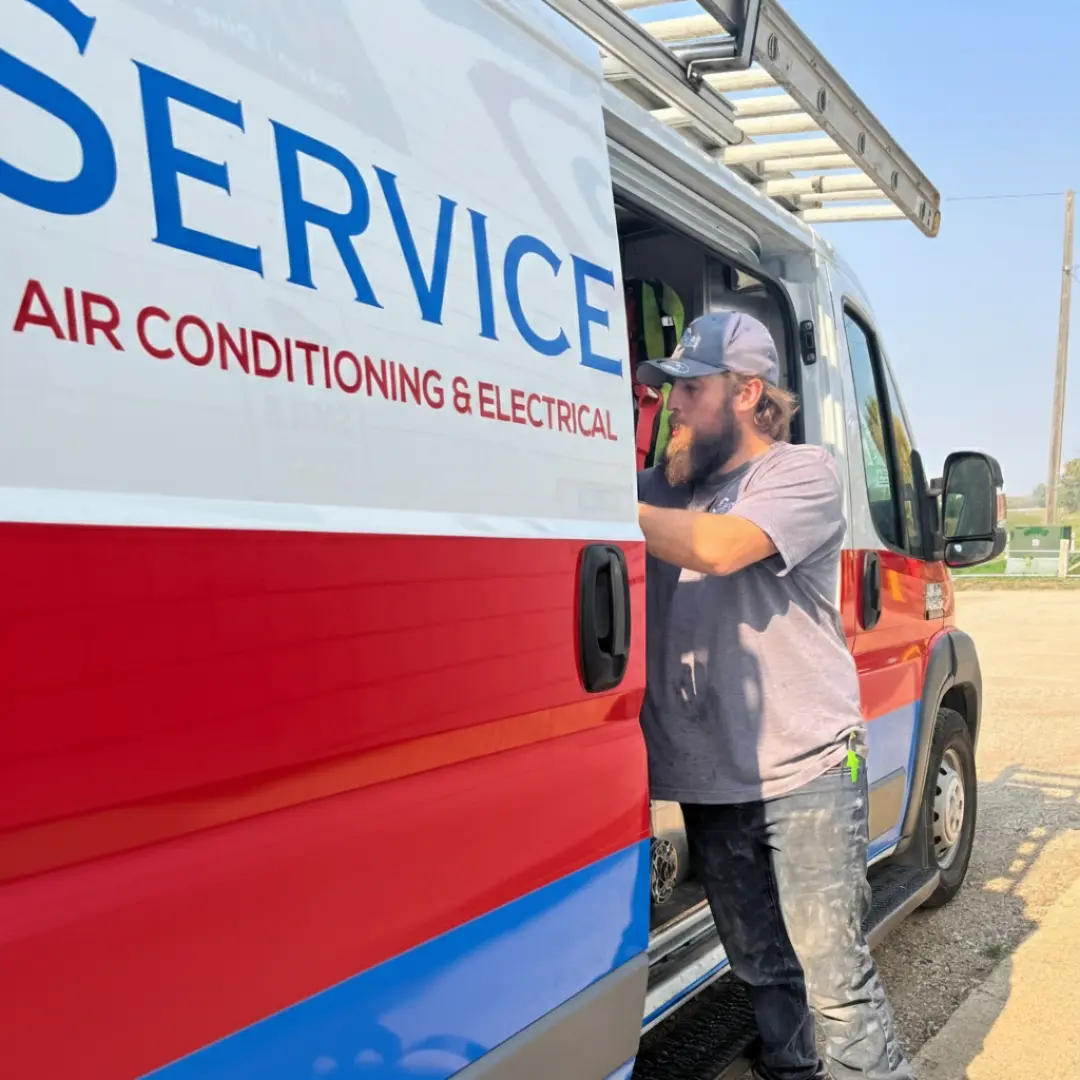
If you’re reading this right now because something went wrong, here’s what you need to know first: Pro Service Mechanical has licensed electricians on call around the clock, every day of the year, and when you call (306) 230-2442 you reach a real person, not a voicemail. Whether you’re smelling burning plastic from behind a wall at 2 a.m., watching a breaker trip over and over, or sitting in a cold house with no power in -30°C weather, we can help. Tell us what you’re seeing and hearing, and we’ll give you an honest answer about whether you need someone there right now or whether it’s safe to wait until morning.
Pro Service Mechanical started as a Saskatoon HVAC and plumbing company built on the idea that reliable comfort doesn’t quit at -40°C, and that same standard now extends to our full range of electrical services in Saskatoon. We recently brought a licensed electrician and a small team on board so we could respond to electrical emergencies the same way we’ve always handled heating and plumbing crises: fast, transparent, and with someone who actually knows what they’re walking into.
Burning Smell, Sparking Outlet, Dead Power: What Counts as a True Electrical Emergency
Some electrical problems can wait a day or two. Others cannot, and misjudging the difference is where things go wrong. The situations that need immediate attention are the ones that carry a fire or shock risk right now: a burning or “hot plastic” smell from an outlet, wall, or panel; visible sparks or charring at a device or breaker; a panel that’s warm to the touch or buzzing; and any loss of power to critical systems like your furnace, sump pump, or medical equipment. If you’re getting a tingle from metal appliances or fixtures, that’s a bonding or grounding fault under the Canadian Electrical Code, and it’s serious.
A breaker that trips once and holds after you reset it, with a clear reason like too many space heaters on one circuit, is usually not an emergency. A breaker that trips repeatedly, especially if there’s any odour or heat near the panel, is. The distinction matters because repeatedly resetting a breaker against an active fault can cause more damage or start a fire behind the wall. When you call us, describe exactly what you’re seeing and smelling, and we’ll help you decide in the first two minutes whether you need us there tonight or at 8 a.m.
Commercial situations add another layer of urgency. If your restaurant’s refrigeration circuit has gone down, a control panel is dead on a production floor, or your emergency lighting isn’t functioning, those are time-sensitive in ways that go beyond inconvenience. Our commercial electrical services team handles after-hours business emergencies and understands that a few hours of downtime can cost far more than an emergency call-out fee.
What Our Electricians Actually Do When They Arrive at Your Door at 2 a.m.
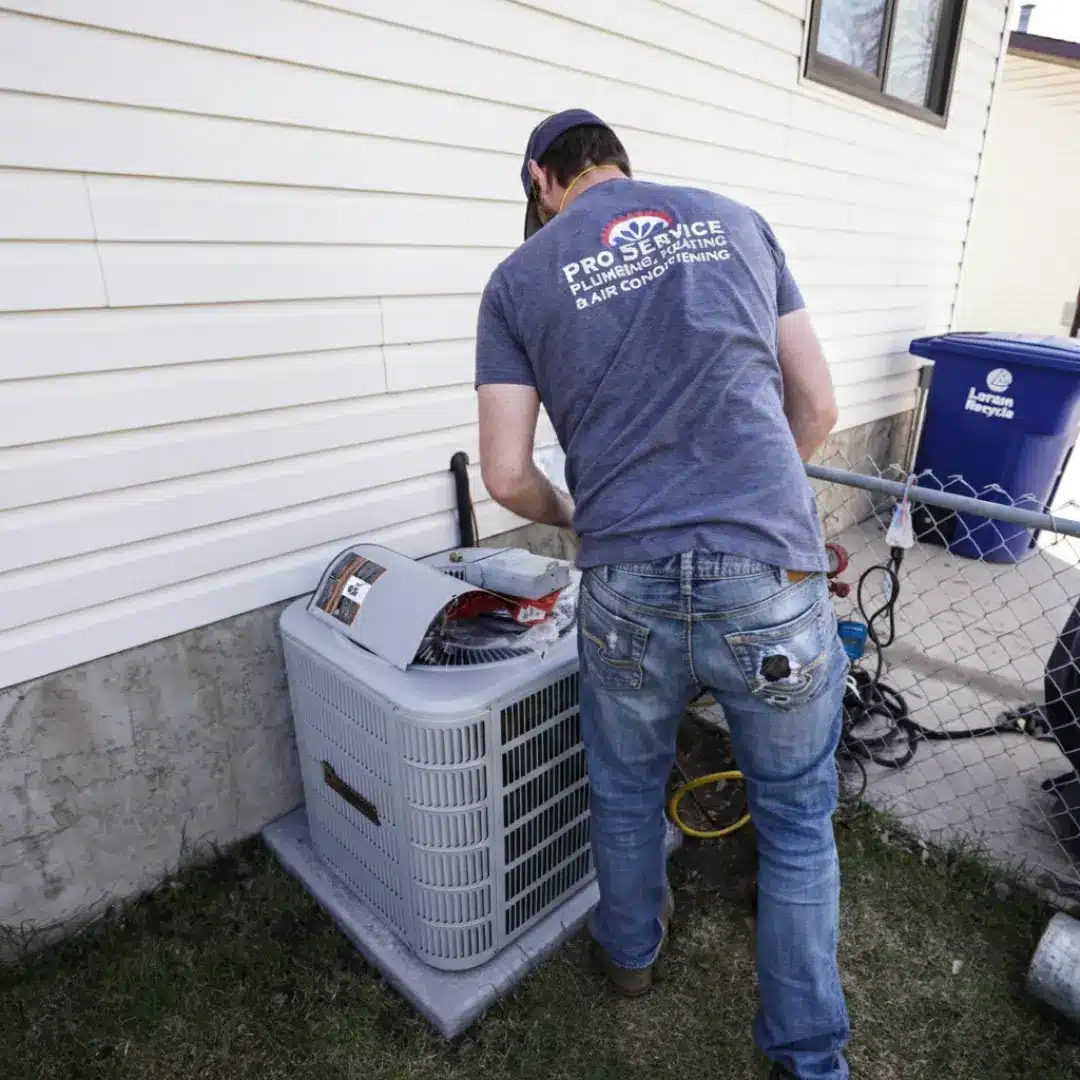
Before anyone rolls a truck, we triage on the phone. If there’s active fire or injury, you’re calling 911 first and us second. Once we’ve confirmed it’s electrical, not structural, we find out whether your power is supplied by SaskPower or Saskatoon Light and Power, because that determines whether the problem is on your side of the meter or the utility’s side. If your neighbours are also out, it’s likely a utility issue and we’ll walk you through how to report it while we assess whether there’s anything on your end that also needs attention.
On site, the first step is always safety, not speed. Our electricians use non-contact voltage testers and multimeters to identify which circuits are live, check for open neutrals or lost phases, and locate any signs of arcing, overheating, or moisture intrusion. From there, the work is about isolating the fault: turning off a specific breaker, disconnecting a damaged circuit, or replacing a burnt device if the repair is straightforward and can be done safely right now. The goal of an emergency visit is to make the situation safe and restore critical power. A full permitted repair, like a panel replacement or service upgrade, is scheduled as a follow-up during daylight hours.
For situations involving the meter base, service mast, or anything on the utility side of the connection, we coordinate with SaskPower or Saskatoon Light and Power directly. Those are utility-owned components and only their crews can work on them, but we handle the communication and make sure your customer-side equipment is ready for reconnection once they’ve cleared their end. Any permanent repairs to your panel, service entrance, or wiring that go beyond like-for-like maintenance require a TSASK electrical permit and inspection under Saskatchewan’s electrical regulations, and we take care of that process for you.
Our electrical repairs and maintenance work doesn’t stop at the emergency visit. If we find broader issues during the call, such as aluminum branch wiring showing signs of loose terminations, an overloaded 100-amp service, or an older panel with questionable breaker performance, we’ll document it, explain it clearly, and give you options for a planned repair. No pressure, no upselling at midnight.
What It Costs: After-Hours Rates, Straight Up
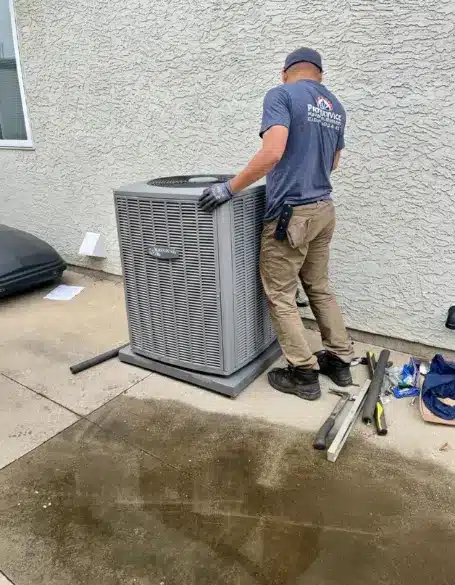
After-hours emergency work costs more than a daytime service call, and any electrician who tells you otherwise up front is either not being honest or is about to explain it in the invoice. In Saskatoon, typical after-hours emergency rates run a call-out or minimum fee in the range of $200 to $400 CAD for the first hour on site, with ongoing labour at approximately $120 to $180 per hour depending on the time of day, complexity, and whether two electricians are required for safety. Holidays carry the highest rates in that range.
A simple repair, such as replacing a burnt receptacle with accessible wiring and no secondary damage, often lands in the $200 to $350 CAD range total on an after-hours visit. Circuit troubleshooting where we need to trace a tripping breaker or find an intermittent fault typically runs $250 to $600 CAD, depending on how much of the circuit we need to access. If we find that a panel repair or replacement is needed, that work is usually scheduled for daytime under permit, with costs in the $2,000 to $4,000 CAD range depending on service size and scope.
When you call Pro Service Mechanical, you’ll be told the minimum call-out fee before we dispatch. You’ll also be told whether that fee is applied toward the repair or billed separately. If the job scope looks like it will go beyond the initial estimate, we tell you before we continue, not after. That transparency is a basic standard we hold ourselves to, and it’s one of the things our customers consistently tell us they appreciate most. For questions about our residential electrical services pricing during regular hours, our team can walk you through standard rates for planned work as well.
Keeping Saskatoon Homes and Businesses Protected Year-Round
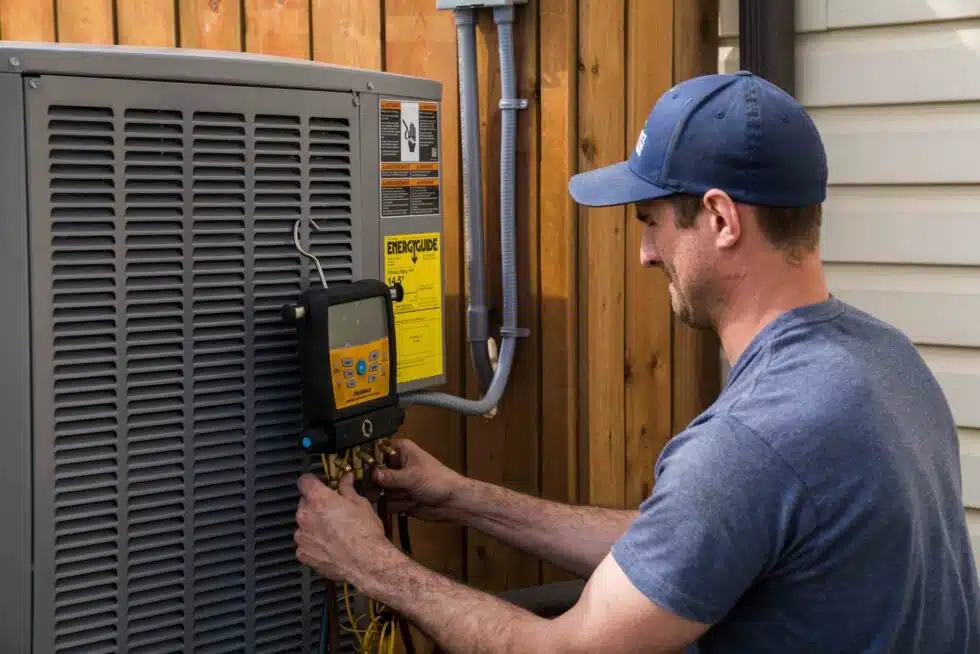
Saskatoon’s electrical emergencies don’t follow a calendar, but they do follow the weather. Winter cold snaps stress older 60-amp and 100-amp services when garage heaters, block heater timers, electric baseboards, and space heaters all run at once. Ice and wind damage service masts and overhead connections. Summer storms bring lightning-induced surges that knock out electronics and trip breakers on long SaskPower distribution feeders. Vehicle collisions with utility poles along arterial roads like Circle Drive or Idylwyld create sudden outages followed by surge conditions when power is restored.
The older west-side and central Saskatoon neighbourhoods, areas like Caswell Hill, Westmount, and parts of Confederation, often have panels that were last updated decades ago, with limited spare capacity and components that have been working hard for a long time. A loose connection that was fine last spring can become a burning smell when winter loading pushes it past the edge. Our team is familiar with what Saskatoon’s older homes looks like by era, from 1960s fuse panels to 1990s 100-amp services to modern 200-amp equipment in newer east-side developments, and we know what to look for when we arrive.
Beyond emergencies, the best protection is prevention. An electrical panel upgrade to a properly rated 200-amp service, whole-home surge protection at the main panel, and properly installed outlet and switch installation throughout your home all reduce the likelihood of an emergency call in the first place. If you’d like to know more about where your home or business currently stands, our team can assess and advise during a planned visit.
Margaret T., a homeowner in Silverspring, called us on a Sunday evening in January after her furnace stopped responding and she noticed a burning smell near the basement panel. By the time our electrician arrived, she had no heat and the temperature was dropping. He isolated a failing breaker connection that had been arcing against a bus bar, made the circuit safe, and got her furnace running on a temporary feed within the hour. “I was terrified when I called,” she said. “The person on the phone was calm and walked me through what to do before he even got here. That mattered a lot.” The permanent panel repair was completed the following day under a TSASK permit, with inspection completed before the week was out. For our full range of services, visit our Request for Service page or call us directly.
Whether it’s a commercial property manager dealing with a tenant emergency, a homeowner with no power in a January cold snap, or a family who just watched an outlet spark, Pro Service Mechanical is the call to make. Dial (306) 230-2442 and you’ll reach someone who can help right now.
Frequently Asked Questions
How fast can you get to my home in Saskatoon after I call?
Within Saskatoon city limits, our typical response window for a genuine electrical emergency is one to two hours, depending on road conditions, weather, and how many crews are already responding. During major winter storms or widespread outage events, that window can extend, but we’ll give you an honest estimate when you call rather than a vague “as soon as possible.” We also triage on the phone so we can bring the right equipment on the first visit rather than making multiple trips.
Do you charge extra for nights, weekends, and holidays?
Yes, and we’ll tell you exactly what the after-hours rate is before we dispatch anyone. The typical Saskatoon after-hours call-out fee runs $200 to $400 CAD for the first hour on site, with ongoing labour at $120 to $180 per hour. Holiday rates sit at the top of that range. We don’t bury the after-hours premium in the invoice; it’s disclosed upfront so you can make an informed decision about whether to proceed.
What should I do before the electrician arrives?
If it’s safe to do so, turn off the circuit breaker for the affected area or unplug equipment on the problem circuit, and keep everyone away from the panel, the damaged outlet, or any area with a burning smell. Do not keep resetting a breaker that won’t hold, and do not touch any outlet or wiring that was involved in sparking. If your basement has flooded and electrical outlets are submerged, do not enter the water; call us and we’ll advise on shutting off the main safely from outside.
Is it safe to flip a breaker that keeps tripping?
If the breaker trips once because you overloaded a circuit, removing the load and resetting it once is generally fine. If it trips again immediately, or if there was any burning smell, heat at the panel, or sparking before it tripped, stop resetting it. A breaker that repeatedly trips is responding to a real fault, and forcing it back on against a short circuit or arcing connection can cause more damage or start a fire. Call us instead and describe what you observed; we can advise whether it’s safe to wait or whether we need to come now.
What does an electrical emergency call typically cost in Saskatoon?
A simple after-hours repair, such as replacing a burnt outlet with accessible wiring, typically runs $200 to $350 CAD total. Circuit troubleshooting on a tripping or dead circuit usually lands in the $250 to $600 CAD range depending on access and complexity. If we find that a panel replacement or service upgrade is needed, that permanent work is quoted separately and typically costs $2,000 to $4,000 CAD or more under a TSASK permit. We give you the call-out fee before we arrive and update you on scope before we continue past the initial assessment.
Do you cover areas outside Saskatoon city limits?
We primarily serve Saskatoon and the surrounding communities in the greater area. When you call, tell us your location and we’ll confirm whether we can respond and give you an honest arrival estimate that accounts for travel time. Trip charges may apply outside the city. In a winter emergency, travel time on Saskatchewan highways can be as significant as the repair itself, so we’ll factor that into the response picture when you call.
Do you handle commercial electrical emergencies after hours?
Yes. Our team handles after-hours emergencies for businesses including restaurants, retail spaces, offices, and light industrial facilities. Commercial emergencies often involve more complexity, such as three-phase faults, motor overloads, or emergency lighting systems that need to meet building code requirements under the Canadian Electrical Code, and our electricians are equipped for that work. When you call, describe the situation clearly including whether it’s a single-phase or three-phase service, what equipment has gone down, and whether there are any safety system concerns like fire alarms or exit lighting.
What happens if SaskPower needs to be involved?
If your outage is on the utility side of the meter, such as a damaged service drop, a transformer issue, or a neighbourhood-wide fault, that’s SaskPower’s or Saskatoon Light and Power’s responsibility and only their crews can restore it. We can help you determine whether the problem is on your side or theirs, coordinate with the utility on your behalf, and make sure your customer-owned equipment, the meter base, service mast, main panel, and interior wiring, is ready for reconnection once they’ve cleared their end. Any work we do on your side that involves the service entrance or panel requires a TSASK electrical permit and inspection before final reconnection.