
Safe and reliable electrical solutions for your home.
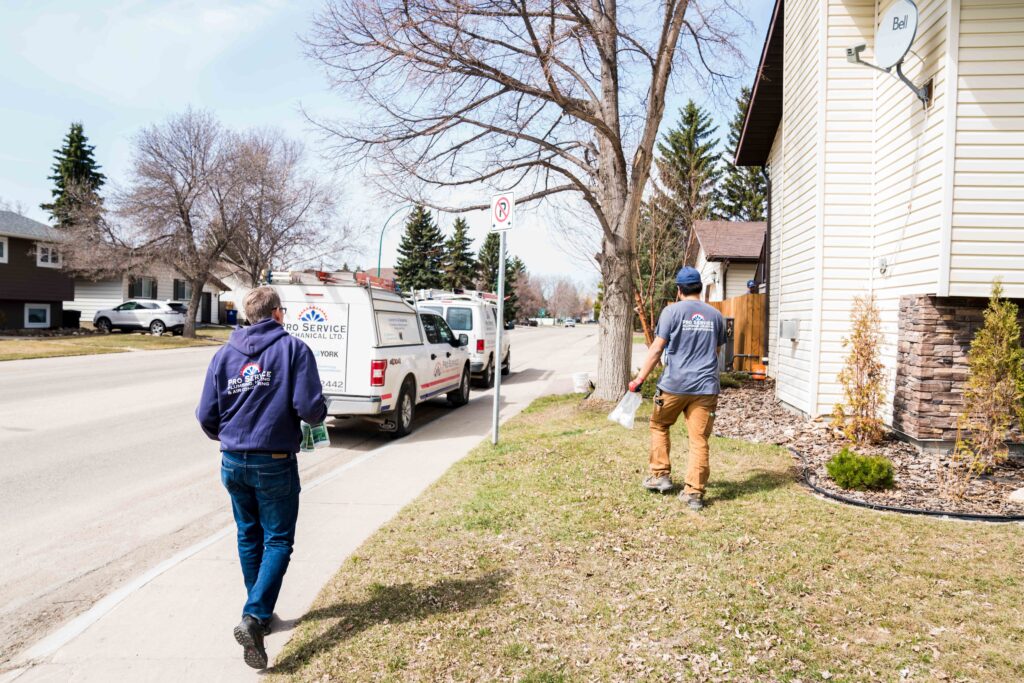
Your home’s electrical system is essential for daily life, from powering your appliances to keeping your lights on. At Pro Service Mechanical, we provide expert residential electrical services, ensuring that your home remains safe, efficient, and up to code. Whether you need a simple repair, a full electrical upgrade, or new installations, our certified electricians are here to help. With years of experience, we deliver quality workmanship and reliable solutions for homes of all sizes.
Fixing faulty wiring and electrical issues safely.
Modern solutions for energy efficiency and reliability.
Electrical problems can be frustrating and even dangerous if left unaddressed. Our skilled electricians at Pro Service Mechanical provide fast, effective solutions to ensure your home’s electrical system is functioning safely. From troubleshooting power issues to installing new circuits, we are committed to delivering top-quality electrical services tailored to your home’s needs.
Your home’s electrical system plays a crucial role in keeping your household running smoothly. At Pro Service Mechanical, we prioritize safety, efficiency, and customer satisfaction with every job we take on. Whether you’re upgrading your electrical panel, installing new lighting, or troubleshooting a power issue, our team is here to help. Contact us today to schedule an appointment with our expert electricians!
Our licensed professionals have years of experience in HVAC, plumbing, and electrical services, ensuring top-tier workmanship every time.
We’re here when you need us most. Our emergency response team is ready around the clock to handle urgent repairs and restore comfort fast.
We stand behind our work with industry-leading warranties and a commitment to customer satisfaction. Your comfort is our priority.
Saskatoon's neighbourhoods span nearly a century of residential construction, and the electrical needs of a Caswell Hill bungalow look very different from a Brighton new build. Older homes in areas like Westmount, Mount Royal, and Confederation Park often started with 60-amp fuse panels and knob-and-tube wiring that was never designed to run a modern electric range, a chest freezer, central air conditioning, and a Level 2 EV charger at the same time. If your breaker trips when you plug in a space heater, or an outlet feels warm to the touch, those are symptoms your electrical system is working harder than it was designed to.
Homes built between roughly 1965 and 1975, common in Fairhaven, Holliston, and early Confederation Park, frequently used aluminum branch wiring. Aluminum itself is not banned under the Canadian Electrical Code (CEC), but it requires devices rated for aluminum conductors and proper termination compounds to prevent the overheating that happens when connections work loose over time. Many homeowners in this era only discover the issue when an insurer requires an inspection before renewing a policy.
At the other end of the spectrum, 1990s and 2000s homes in Lakeridge, Arbor Creek, and early Stonebridge typically have 100-amp service with adequate wiring, but a home that was sized for two adults and a gas furnace in 1998 may now be juggling a basement suite, an EV charger, a hot tub, and central air. Even a 100-amp panel can run out of room fast. Newer 200-amp builds in Evergreen, Rosewood, and Brighton are better positioned, but even modern panels can fill up quickly once a second EV circuit, a home workshop, and a heat pump enter the picture.
Good electrical services in Saskatoon start with understanding which era your home belongs to and what your actual load looks like today and in the next five years. That means a proper load calculation, required under CEC rules, before recommending anything, rather than a one-size-fits-all panel size or a quote that assumes the worst before any inspection has happened.
Pro Service Mechanical offers a full range of residential electrical work, handled by licensed journeyperson electricians who pull TSASK permits, coordinate with SaskPower or Saskatoon Light and Power, and see every job through to final inspection. Below is what each service covers and when you are likely to need it.
Electrical panel upgrades are among the most common requests from Saskatoon homeowners. If your home still has a 60-amp or 100-amp panel and you are adding an EV charger, a hot tub, a basement suite, or even just a second fridge in the garage, a load calculation often shows the existing service cannot safely handle the added draw. A panel upgrade to 200-amp service typically costs between $2,800 and $4,800 depending on whether the meter base and service mast also need replacing, and it includes SaskPower coordination for the disconnect and reconnect.
EV charger installation is growing steadily in Saskatoon as more households pick up a Tesla, Ioniq 5, Ford Lightning, or Chevy Bolt. A dedicated 240-volt circuit sized for continuous load, as the CEC requires for EV charging equipment, runs roughly $900 to $1,800 for a straightforward installation near the panel. A detached garage with trenching involved, or a home that also needs a service upgrade, will land higher. A proper load calculation comes first so you know exactly what your existing service can support before any work begins.
Residential lighting installation covers pot light retrofits, exterior lighting, under-cabinet lighting, and full lighting redesigns for renovated kitchens and basements. Saskatchewan's short winter days make good interior lighting more than an aesthetic choice, and swapping aging fluorescent fixtures for LED significantly cuts hydro costs over a Saskatoon winter.
Whole-home surge protection is worth discussing with any Saskatoon homeowner. SaskPower's long distribution lines across the prairies, summer lightning storms, and transformer switching events all create voltage transients that quietly damage electronics, appliances, and smart-home devices over time. A panel-mounted Type 2 surge protective device, installed for roughly $400 to $800, protects the whole house rather than just a handful of power bars.
Outlet and switch installation handles everything from adding a dedicated 20-amp kitchen circuit to relocating receptacles for a renovation. Warm outlets, sparking switches, and constantly overloaded power bars are the everyday symptoms that bring most homeowners to this service. New installations in kitchens, bathrooms, laundry rooms, and outdoor areas require GFCI protection under the current CEC, and bedrooms and living areas in new or substantially renovated work typically require AFCI breaker protection as well.
Ceiling and exhaust fan installation includes bathroom exhaust fans, a code requirement in enclosed bathrooms, as well as ceiling fans in living areas and bedrooms. Proper ceiling fan installation requires a rated box for the weight and motion of the fan, which older pancake boxes in many Saskatoon homes are not designed to handle.
Smart home electrical upgrades cover smart switches, dimmers, programmable thermostats, and structured wiring for security cameras and networking. Many smart switches require a neutral wire that older Saskatoon wiring does not have at every switch location, so a quick assessment before purchasing devices saves a lot of frustration.
Smoke and carbon monoxide detector installation brings older homes up to current fire code expectations. Hard-wired, interconnected alarms, so that one alarm triggers all of them, are required in new construction and strongly recommended in any renovation. Homes with attached garages or gas appliances need CO detectors within a specified distance of sleeping areas under the building code that Saskatoon has adopted.
For situations that cannot wait, Pro Service Mechanical also provides a 24/7 emergency electrician in Saskatoon and handles ongoing electrical repairs and maintenance for everything from a single faulty outlet to a full troubleshooting visit after a storm outage.
One of the most common concerns Saskatoon homeowners raise before booking electrical work is the permit process, who files what, how long inspections take, and whether a failed inspection means the walls have to be opened back up. These are fair questions, and the honest answer is that the process is straightforward when your electrician knows it well and manages it from the start.
In Saskatchewan, electrical permits for residential work are administered by TSASK, the Technical Safety Authority of Saskatchewan. For any service connection, upgrade, or new circuit work, TSASK requires an electrical permit before work begins. The permit must be obtained by a licensed electrical contractor or, for owner-performed work in an owner-occupied residence, by a licensed journeyperson. If the work involves the service entrance, the meter base, mast, or anything that connects to SaskPower's side, SaskPower requires confirmation that the installation has passed a TSASK inspection before they will re-energise the service. Saskatoon Light and Power, which serves the older core areas of the city, follows the same requirement: their Customer Information Guide is explicit that a TSASK inspection of the meter socket must be completed and an energisation sticker placed on the meter socket before the meter is installed.
The inspection sequence for most residential projects involves a rough-in inspection, before drywall covers the wiring, and a final inspection once devices, fixtures, and the panel are fully installed and labelled. Common reasons inspections stall include overfilled junction boxes, missing GFCI protection in kitchens and bathrooms, circuits that lack required AFCI breakers, panel directories that are blank or inaccurate, and bonding conductors that are absent or undersized. These are not obscure code technicalities; they are the items TSASK inspectors check on every visit, and a contractor who is familiar with them rarely has a job fail inspection twice.
Pro Service Mechanical pulls TSASK permits on your behalf, schedules both the rough-in and final inspections, coordinates the SaskPower or Saskatoon Light and Power disconnect and reconnect when a service upgrade is involved, and provides you with the permit number and inspection confirmation once the job is closed out. Permit fees for typical residential projects run roughly $80 to $250 depending on scope, and they are itemised in your quote so there are no surprises. If you would like to discuss a specific project or get a straight answer about whether a permit is required for what you have in mind, call Pro Service Mechanical at (306) 230-2442 or submit a Request for Service online and someone will follow up promptly, the kind of RELIABLE COMFORT that comes from knowing the process is handled correctly from day one.
Not necessarily, the first step is figuring out whether one circuit is simply overloaded or whether the panel itself is the problem. A licensed electrician will check the breaker, measure the load on that circuit, and look at how much capacity your panel has left before recommending anything further. Many older Saskatoon homes, especially 1960s and 1970s builds in neighbourhoods like Lakeview or Confederation, still have 100A panels with limited spare capacity, which is often the real culprit when adding a microwave, EV charger, or basement suite. If the panel needs upgrading, our electrical panel upgrades page covers what is involved and typical costs, which run roughly $2,500 to $5,000 in Saskatoon depending on service size and SaskPower coordination. We will always tell you whether the fix is a single circuit or a full upgrade, not both if only one is needed.
Knob-and-tube wiring is most common in Saskatoon homes built before the mid-1950s, areas like Caswell Hill, Nutana, and parts of Riversdale, while aluminum branch-circuit wiring turns up frequently in homes built between roughly 1965 and 1975, including early Confederation Park and Fairhaven. Neither type is automatically a fire hazard, but both require a qualified electrician to assess connection quality, device ratings, and whether any insulation has been buried over the knob-and-tube, which the Canadian Electrical Code (CEC) prohibits. Saskatchewan insurers often require an electrical report and sometimes remediation before they will fully insure a home with either wiring type, so this is not something to put off if you are buying, selling, or renewing your policy. Targeted remediation, replacing devices with CO/ALR-rated ones, pigtailing at connections, or removing active knob-and-tube, typically costs $300 to $1,500 for a focused fix; a full rewire of a 1,000 to 1,500 sq ft bungalow with finished walls can run $12,000 to $20,000 or more. Our team can give you a written assessment that distinguishes urgent safety items from longer-term planning items so you are not pressured into more work than you need right now.
Most Level 2 chargers draw 32A to 48A on a 240V circuit and are treated as a continuous load under CEC Section 86, which means your panel needs to comfortably support that on top of your existing demand, furnace, water heater, dryer, and anything else running at the same time. An electrician will do a load calculation before recommending anything, and many Saskatoon homes with 100A service can support one EV charger with careful planning, while homes with older 60A or 70A service usually require a panel upgrade first. For a straightforward run from an attached garage where the panel is nearby, EV charger installation typically costs $900 to $1,800 all-in including the permit; a detached garage requiring trenching or a panel upgrade can push the total to $3,000 to $5,000. SaskPower needs to be coordinated whenever service capacity is being changed, and your electrician handles that process, you should not have to manage it yourself. We will show you the load calculation so you can see exactly why we are recommending what we are.
When you hire a licensed electrical contractor in Saskatchewan, they pull the TSASK (Technical Safety Authority of Saskatchewan) electrical permit under their licence, you do not need to do anything except allow access. TSASK is the provincial electrical inspection authority for Saskatoon, and a permit is required for panel upgrades, new circuits, EV charger installations, basement developments, hot tub connections, and service upgrades. We coordinate the rough-in and final inspections directly with TSASK and, where applicable, with SaskPower or Saskatoon Light and Power for the service connection or disconnect; you receive a copy of the permit and the passed inspection confirmation. Permit fees for typical residential jobs in Saskatoon generally range from $80 to $250 depending on scope, and we include that in your written quote so there are no surprise line items at the end. If you are ever unsure whether work was permitted, you can verify directly with TSASK using the permit number your contractor provides.
A warm outlet or a faint hot-plastic smell is not normal and should not wait, it typically indicates a loose connection, an overloaded receptacle, or a failing device, all of which can arc and ignite nearby materials. Stop using that outlet immediately, unplug anything connected to it, and if the smell is strong or you see discolouration or scorch marks, shut off the breaker for that circuit. Our electrical repairs and maintenance service covers exactly this kind of diagnosis; replacing a faulty receptacle and checking the circuit for underlying issues typically costs $160 to $280 in Saskatoon. Kitchens are also required under the CEC to have GFCI protection on countertop receptacles, so if yours does not have it, we will note that as part of the visit, but we will tell you what is required versus what is optional before doing any additional work. If you are ever uncertain, a same-day or next-day Request for Service is the right move for anything involving heat or smell.
Yes, our 24/7 emergency electrician in Saskatoon service is available for situations like loss of power in winter, a burning smell from a panel, sparking at a service entrance, or water getting into electrical equipment. After-hours and weekend callout rates are higher than regular weekday rates; expect a callout charge of $150 to $250 plus $120 to $180 per hour for evening and weekend work in Saskatoon, with holiday rates higher still. If your neighbours are also out, call SaskPower's outage line first, that is a utility issue and they attend at no charge to you; if only your home is affected, that points to a problem on the customer side, which is where we come in. For non-urgent situations, a single dead outlet, a tripped GFCI that resets fine, or a light fixture that stopped working, it is usually safe and much more cost-effective to wait for regular business hours as long as you keep the circuit off. We will always tell you honestly over the phone whether your situation sounds like a same-night call or something that can wait until morning.
Pro Service Mechanical provides a written warranty on labour for the work we perform, and manufacturer warranties apply to the equipment we install, breakers, panels, receptacles, and fixtures commonly carry one to ten years depending on the product. Our workmanship warranty means that if something we installed or repaired fails due to our work within the warranty period, we come back and correct it at no charge to you. The TSASK inspection that follows permitted work is not a warranty, it confirms code compliance at the time of installation, so it is important to have a separate written warranty from your contractor. We document everything on the invoice: what was done, what parts were used, and any limitations (for example, if existing older wiring in another part of the house was not part of the scope). Ask to see warranty terms in writing before any job starts; a contractor who cannot or will not provide that in writing is a red flag.
A service call fee covers the electrician's travel and the first block of diagnostic time, typically 60 to 90 minutes, and runs $160 to $260 in Saskatoon for weekday visits; any parts or additional labour are quoted separately once the problem is identified. A flat-rate or project quote is more appropriate for defined work like a panel upgrade, basement wiring, or an EV charger circuit, and should clearly itemise what is included: permit fees, specific materials and their ratings, SaskPower coordination, cleanup, and any exclusions such as drywall patching. A fair quote from a Saskatoon electrician will reference CEC compliance, include the TSASK permit as a line item or note it as included, and offer options at different price points rather than steering you toward the most expensive solution. Typical benchmarks: replacing a few outlets or switches runs $200 to $400; a new dedicated circuit in a finished basement runs $400 to $900; a full basement rough-in and device installation runs $2,500 to $7,000 depending on size. For any project over $1,000, get two quotes and make sure both cover the same scope, the lowest number sometimes omits permits, inspection trips, or proper materials, which shows up later as cost overruns or failed inspections.