
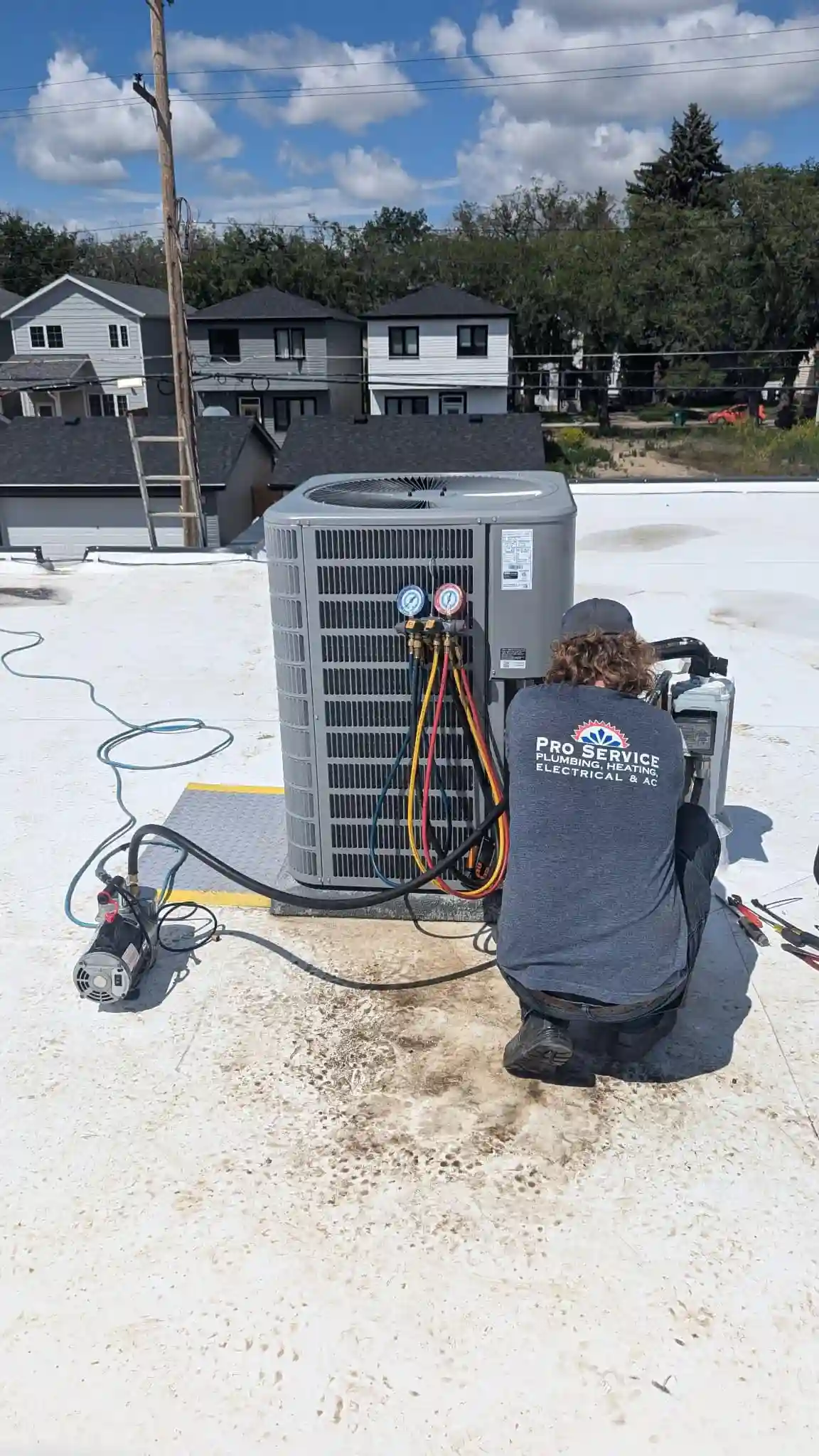
A ceiling fan that wobbles at low speed, a bathroom that stays steamed up long after the shower, a kitchen exhaust that barely pulls air, these are the kinds of things Saskatoon homeowners notice and then put off, right up until a breaker trips or the drywall around the fan housing starts to crack. Pro Service Mechanical’s licensed electricians handle ceiling fan and exhaust fan installation throughout Saskatoon, and we treat these jobs as the real electrical work they are, not afterthoughts bolted onto a light fixture. Whether your home was built in 1962 or 2019, the work gets done to Canadian Electrical Code standards, with permits pulled where the job calls for them.
Our electrical services in Saskatoon grew out of a full residential electrical services team that joined Pro Service Mechanical’s existing HVAC and plumbing operation. That means when your exhaust fan question turns into a ventilation question, or your ceiling fan circuit turns out to share a breaker with half the kitchen, you are dealing with one crew that can see the whole picture. Call us at (306) 230-2442 to talk through what you have going on.
That Old Ceiling Box Probably Was Not Built to Hold a Fan
The single most common problem we find on ceiling fan calls is a standard light box where a fan-rated box needs to be. In Saskatoon homes built before the 1990s, ceiling outlets were sized and mounted for a light fixture, maybe two or three pounds, hanging still. A ceiling fan introduces weight, rotation, and vibration that a light box simply was not designed to carry. Over time, a fan mounted to an under-rated box will work the fasteners loose, open up cracks in the drywall around the canopy, and eventually create an arcing risk at the wiring connections inside the housing.
A proper fan-rated box is labelled for fan support, mechanically fastened to a joist or a spanning brace, and rated to hold the weight and dynamic load of a rotating fan. If we open your ceiling and find a small plastic or thin-gauge metal box clipped to drywall, we will replace it before the fan goes up. Upgrading the box with attic access is typically a straightforward addition to the job, running roughly $80 to $150 in labour for simple cases, more if we need to open the ceiling or navigate a finished upper floor.
Blade size matters too, and is worth matching to your room before you buy the fan. A 42-inch fan works well in a bedroom up to about 200 square feet. Most living rooms and larger bedrooms in Saskatoon bungalows do better with a 52-inch. Open great rooms or combined kitchen-dining areas over 400 square feet may need a 56-inch fan or two smaller ones for real air movement. Get the sizing wrong and the fan runs constantly without making the room feel any different. Our electricians are happy to advise before you shop, so you are not returning a fan that does not fit the space.
For rooms where you want separate wall switches for the fan and the light kit, the wiring needs a three-conductor cable between the switch box and the ceiling, something older Saskatoon homes almost never have already in place. If we find only a single switched leg at the ceiling, the practical options are a single switch with pull chains, a remote or wall control module inside the canopy, or running new cable to give you true separate switches. That extra cable run typically adds $100 to $250 to the job where attic or wall access is reasonable. Our outlet and switch installation work often gets bundled with fan jobs for exactly this reason.
Why Saskatoon Bathrooms Struggle with Moisture, and What to Do About It
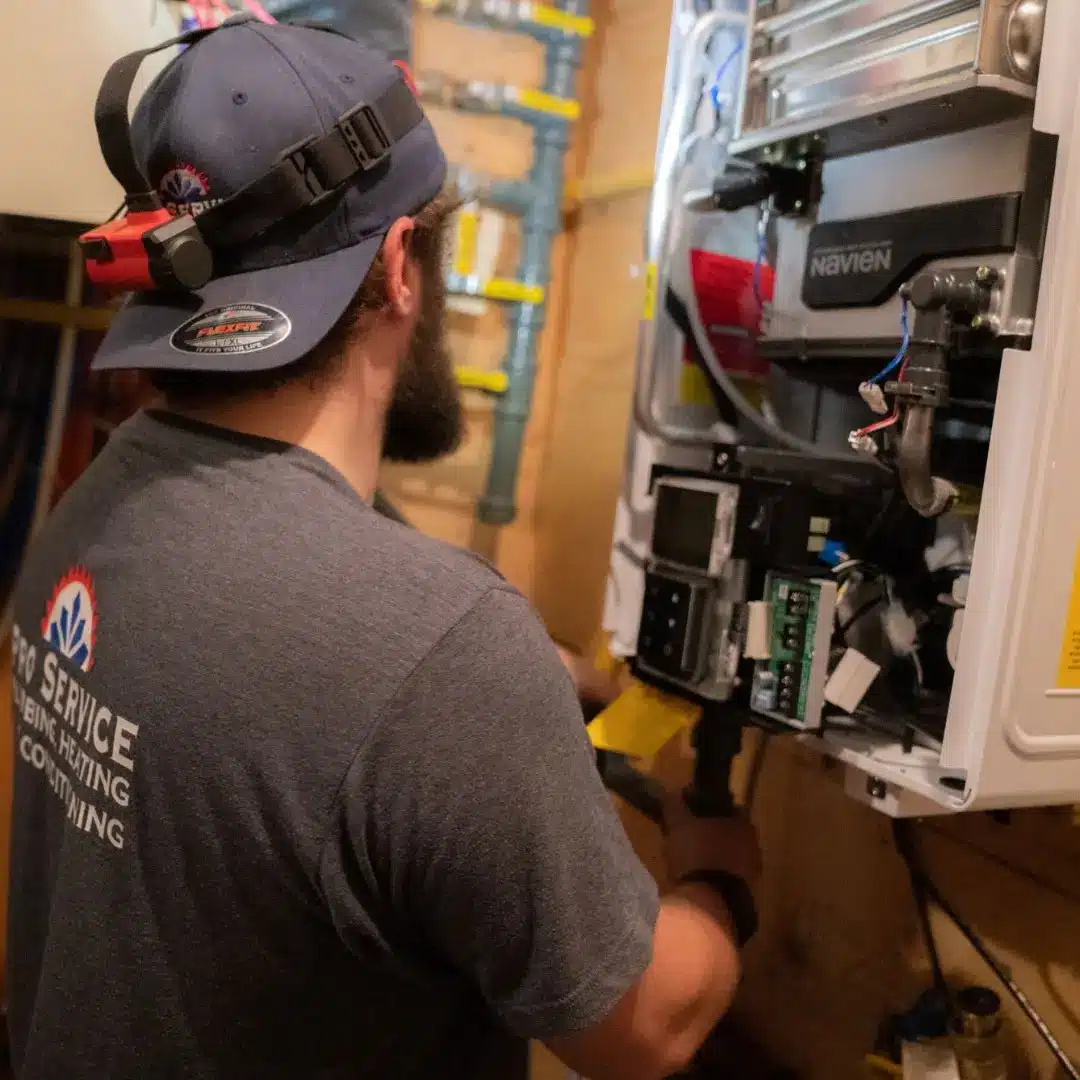
Saskatoon homes are tightly built, especially anything from the 1990s forward. That is excellent for heating efficiency and terrible for moisture management if the exhaust ventilation is not right. A bathroom fan that is undersized, clogged, or venting into the attic instead of outdoors will leave your bathroom fogged for fifteen minutes after every shower, push moisture into the ceiling framing, and eventually show up as peeling paint or dark staining at the ceiling corners. In our climate, warm humid air venting into a cold attic freezes on the roof sheathing, and the rot that follows is expensive to fix.
The Canadian Electrical Code and the National Building Code, as adopted in Saskatchewan, require bathroom exhaust fans to vent directly to the exterior, not into a soffit cavity without a proper termination, not into the attic, and not into an attached garage. A correct installation uses insulated duct run on the shortest practical path to an exterior hood with a backdraft damper. In Saskatoon winters, an uninsulated duct lets condensation form inside and drip back down, which is why we use insulated flex or rigid duct and make sure the run is sealed at every joint with foil tape rather than standard cloth tape that fails in the cold.
Most bathroom fan replacements, where the existing location and ductwork are serviceable, run between $220 and $500 including the fan unit and labour. When we are putting in a new fan where none existed, or correcting a duct that was venting into the attic, the range is closer to $500 to $1,000 depending on how far the duct needs to travel and whether a new roof or wall penetration is required. We give you those numbers up front, not after we have opened up the ceiling. The kitchen exhaust side of things is similar, a range hood replacement in the same location typically runs $250 to $800 depending on whether the unit is hard-wired and whether the existing duct is adequate for the CFM rating of the new hood.
Tamara K. in Silverspring called us after noticing frost on her attic roof sheathing during a February inspection. The bathroom fan in the main bath had been venting through a flex duct that someone had disconnected from the exterior hood years earlier, it was just blowing into the attic space. We ran a new insulated duct to a proper wall cap, installed a quieter modern fan unit, and wired in a timer switch so the fan keeps running for ten minutes after the light is turned off. “I didn’t even know that was an option,” she said. “Now the mirror clears in two minutes and I stopped worrying about what was happening up there.”
Common Fan Repairs We See Across Saskatoon Homes
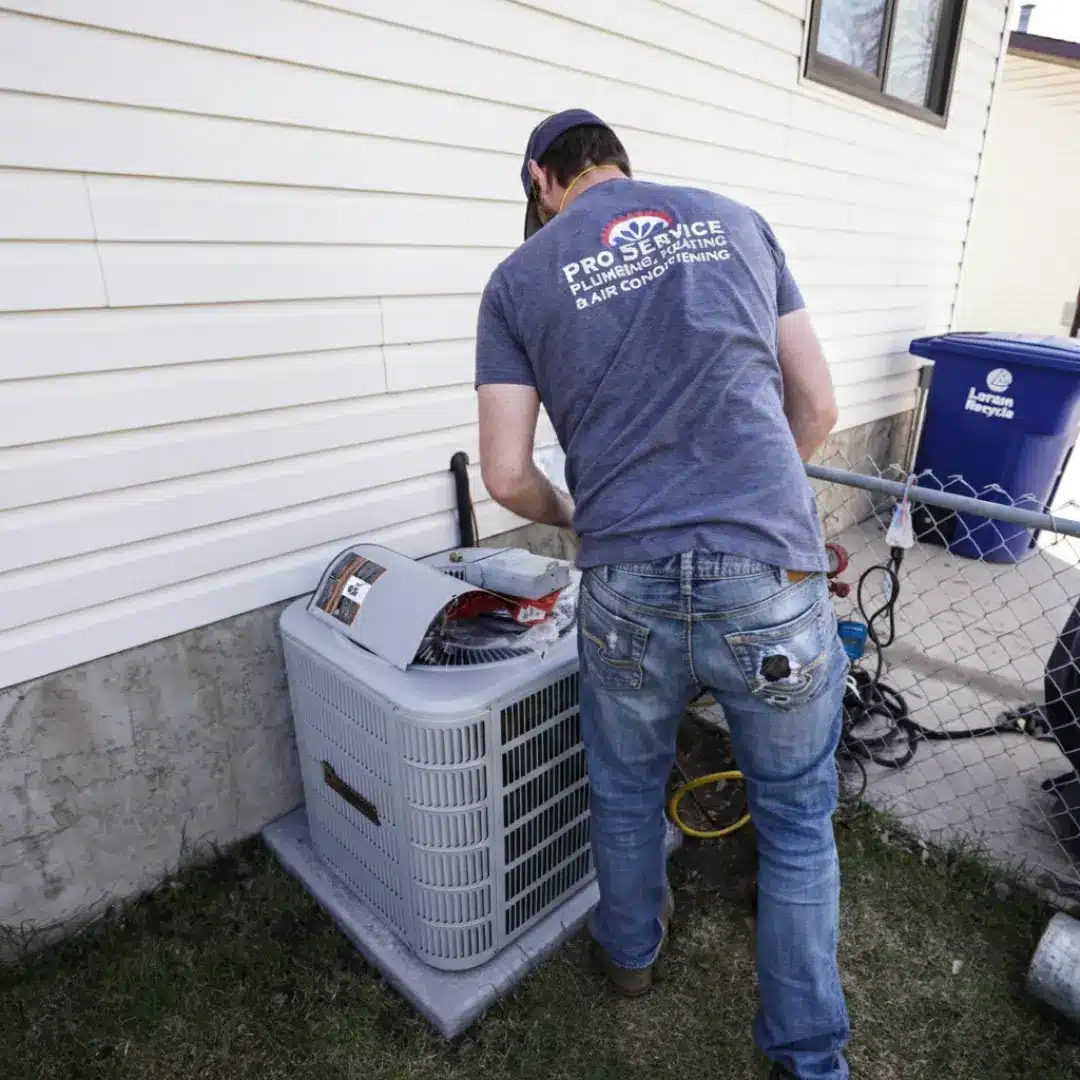
Not every call is a new installation. A large portion of our fan work involves figuring out why an existing fan is misbehaving. The most common ceiling fan complaints are wobbling, grinding noise, a fan that only works on some speeds, and breakers that trip when the fan runs. Wobbling usually traces to a loose box or mounting bracket, bent blades, or blade pitch inconsistency, often fixable without replacing the fan. Grinding and squealing typically mean worn bearings, which at that point make replacement the more cost-effective choice, especially on a fan that is ten or more years old.
A ceiling fan that trips the breaker instantly is a different problem. That usually indicates a short circuit in the fan motor or wiring, and the breaker is doing its job. Before we replace the fan, we verify the circuit is correctly sized and that there are no underlying wiring problems, particularly in older Saskatoon homes with aluminum branch wiring from the 1965 to 1975 era where loose terminations are a known concern. If the breaker trips intermittently rather than immediately, the cause is more likely an overloaded circuit, a fan sharing a circuit with too many other loads. That is a load calculation conversation, and part of our electrical repairs and maintenance work.
For bathroom exhaust fans, the most common repair request is for a fan that is very loud or has started rattling. Dust buildup on the fan wheel and loose housing screws account for a lot of that noise, and a cleaning visit runs around $100 to $200. If cleaning does not resolve it, or if the fan moves barely any air even when running, the motor is usually the issue. On units that are older than ten or twelve years, replacement is almost always the better value, modern fans run quieter and use less power, and you are not paying labour twice. We will be straightforward with you about which way makes sense rather than billing multiple service visits on a fan that is past its useful life.
Metal parts that tingle or give a mild shock when touched are not something to put off. That symptom almost always points to a missing or faulty bonding conductor, the equipment ground, and is a genuine safety concern under the CEC’s bonding requirements. It is also the kind of thing that can cause a home insurance problem if an insurer ever asks about it. If you notice that, call us. It belongs in the same category as a breaker that keeps tripping or an outlet that feels warm: worth checking right away rather than later. Our 24/7 emergency electrician in Saskatoon line is available if the situation warrants it.
What It Costs, How Long It Takes, and What the Code Requires
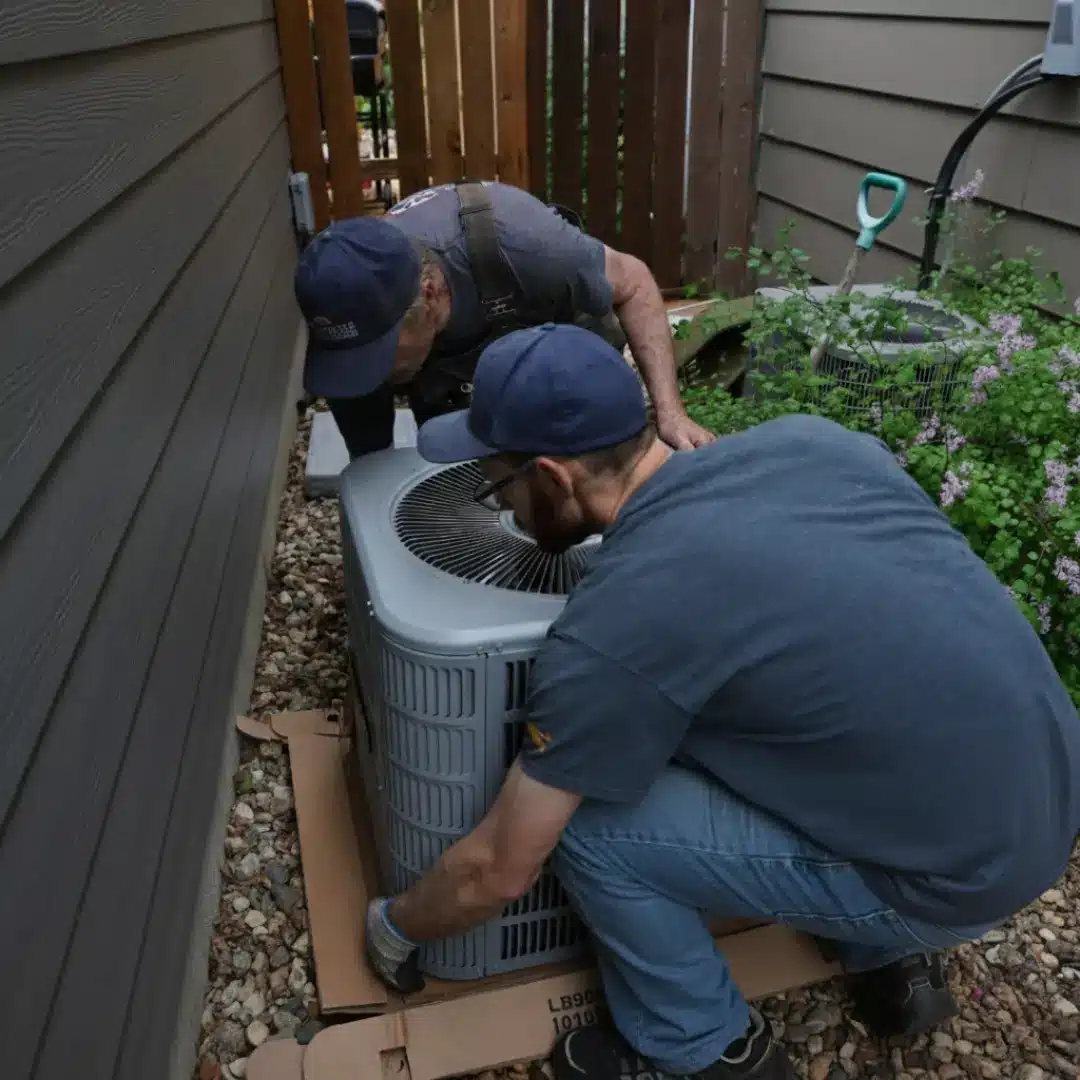
Ceiling fan replacement at an existing, correctly rated box runs roughly $180 to $350 in most Saskatoon homes, less if the fan is straightforward and the wiring is clean, more if we encounter a box that needs upgrading or wiring that needs attention. A new fan location where no fixture currently exists ranges from $350 to $800 or more depending on access, cable run length, and whether a new switch leg is needed. Bathroom exhaust fan replacement sits between $220 and $500 for most swap jobs, with new installations running $500 to $1,000. All of these ranges assume the fan is customer-supplied; if you want us to supply it, we can quote that separately. We are also happy to install a fan you have already purchased from a retailer, just make sure it carries a CSA or ULC mark for use in Canada, and keep your receipt for the manufacturer warranty.
In Saskatchewan, electrical permits are administered by TSASK, the Technical Safety Authority of Saskatchewan, not by the City of Saskatoon. A straight like-for-like fan swap at an existing correct box generally does not trigger a separate permit, but any new wiring, new circuit, or new duct penetration through an exterior wall or roof typically does. Pro Service Mechanical pulls the permit on your behalf as part of the job, you do not have to navigate that process yourself. TSASK permit fees for small residential work typically run $80 to $200. If you are ever unsure whether a permit was pulled on a previous installation, that is a fair question to ask and we will tell you honestly what the situation is.
Timing is generally not a long process for fan work. A single ceiling fan replacement takes one to two hours on site. A new installation with cable work and a switch runs two to four hours. Bathroom fan replacement with duct work typically takes two to three hours; a new installation with a roof or wall penetration can run three to six hours and is sometimes split across two visits. We can usually schedule within three to five business days for standard jobs, and we often have availability sooner. For anything that involves a burning smell, a fan that stalls, or metal parts that are warm to the touch, call (306) 230-2442 and we will assess it promptly.
This kind of work is a natural fit alongside residential lighting installation or smart home electrical upgrades, if you are having us in for a fan, it is an efficient time to add a dimmer, a timer switch, or a smart controller while we are already at the panel. That is the practical side of reliable comfort: getting the work done once, done right, and not coming back to the same problem six months later.
Frequently Asked Questions
How do I know if my existing ceiling box can hold a fan?
A fan-rated box will have a label indicating it is approved for fan support, and it will be firmly attached to a joist or a spanning brace, not just clipped to drywall. If your current ceiling box is a lightweight plastic box or a small octagonal metal box with no visible structural attachment, it is almost certainly not fan-rated. The safest approach is to have us check it before you buy the fan, since upgrading the box is straightforward when we are already on-site. Replacing an inadequate box typically adds $80 to $350 to the job depending on ceiling access.
What blade diameter do I need for my room?
A 42-inch fan handles rooms up to about 200 square feet, which covers most Saskatoon bedrooms. Rooms between 200 and 400 square feet, typical living rooms and master bedrooms, do well with a 52-inch fan. Larger open areas may need a 56-inch fan or two smaller units for effective air circulation. Getting the size right matters because an undersized fan runs at high speed constantly without actually cooling the space, which wears out the motor faster and wastes electricity.
Does bathroom exhaust fan ducting have to go outside, or can it vent into the attic?
It must vent to the outside. The National Building Code as adopted in Saskatchewan requires bathroom exhaust to terminate at an exterior hood with a backdraft damper, venting into the attic is not permitted and causes real damage in Saskatoon’s climate, where warm moist air freezes on cold roof sheathing and promotes rot and mould. The duct should also be insulated to reduce condensation inside the duct during winter. If your current fan is not venting to the exterior, correcting it is not optional if you want to protect the structure of your home and keep your insurance valid.
My fan has a light kit. How does the wiring work if I want separate switches?
Separate fan and light switches require a three-conductor cable (such as NMD90 14/3) between the switch box and the ceiling outlet, so there is an independent switched conductor for each load. Most older Saskatoon homes only have two-conductor cable at the ceiling, meaning only one switched leg is available. If that is the case, the practical options are using pull chains or a remote module in the canopy, or having us run new three-conductor cable to the switch box. Running new cable to add a separate switch leg typically adds $100 to $250 to the job where wall or attic access is reasonable.
Should I repair my noisy bathroom exhaust fan or replace it?
For a fan that is newer and simply dusty or has a loose grille, a cleaning and adjustment visit runs about $100 to $200 and often resolves the noise. For fans that are ten or more years old and rattling, grinding, or barely moving air, replacement is typically the better value, you end up paying similar labour whether you are servicing or replacing, and a new unit will be quieter and more efficient. If we open it up and find a rusted housing or damaged motor wheel, we will tell you clearly that replacement makes more sense rather than charging for a repair that will not last.
Do I need a permit for a ceiling fan or exhaust fan installation in Saskatoon?
In Saskatchewan, TSASK administers electrical permits for residential work, not the City of Saskatoon. A simple like-for-like fan swap at an existing correctly wired and rated box generally does not require a separate permit, but any new wiring run, new circuit, or new exterior duct penetration typically does. Pro Service Mechanical pulls the permit on your behalf for jobs that require one, so you do not have to manage the paperwork. TSASK permit fees for small residential electrical work generally run $80 to $200.
Can I supply my own fan and just pay for labour?
Yes, we are happy to install a customer-supplied fan. Make sure it carries a CSA or ULC certification mark for use in Canada, uncertified imports can fail inspection and create insurance complications. You will pay for labour only, typically $150 to $250 for a straightforward swap. Keep in mind that our workmanship warranty covers the installation, but any defect in the fan itself goes through the manufacturer’s warranty, so hold onto your receipt and model information.
What does a warranty on fan installation actually cover?
There are two separate warranties to be aware of: the manufacturer’s warranty on the fan itself, which often covers parts for one to five years and sometimes the motor for longer, and the contractor’s workmanship warranty on the installation, which Pro Service Mechanical provides in writing. Our workmanship warranty covers the quality of the wiring connections, box mounting, and switch wiring we completed. If something we installed fails due to our work within the warranty period, we correct it at no additional labour charge. Ask us to confirm the warranty terms in writing before we start, that is a completely reasonable request and we expect it.