

You’ve bought an electric vehicle, or you’re about to, and the slow trickle from a standard 120-volt outlet in your garage is already frustrating. A proper Level 2 charger can fully replenish most EVs overnight, but getting one installed correctly means more than buying a unit off a shelf. It means a load calculation, a dedicated circuit, a permit, and an inspection, all done to Canadian Electrical Code standards so your insurance stays valid and your family stays safe.
Pro Service Mechanical’s licensed electricians have been installing EV chargers in Saskatoon homes across every era of housing, from post-war bungalows in Westmount to new builds in Brighton. Whether your panel is a well-loaded 100-amp from the 1990s or a fresh 200-amp in a modern garage, we’ll tell you exactly what’s involved before any work begins. Call us at (306) 230-2442 or visit our Request for Service page to get started.
Level 1, Level 2, and Why Most Saskatoon Families End Up Upgrading
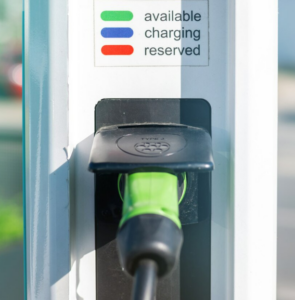
Level 1 charging uses a standard 120-volt household outlet and comes free with almost every EV. It adds roughly 6 to 8 kilometres of range per hour, which sounds reasonable until you factor in a Saskatchewan winter. Cold temperatures reduce battery range, and if you’re arriving home with a depleted battery after a long January commute, a Level 1 charger may not recover enough range by morning. It works for light daily drivers, but most Saskatoon families find it marginal within the first month.
Level 2 charging runs on a 240-volt dedicated circuit, the same voltage as your electric dryer or range. The City of Saskatoon notes it typically takes 4 to 10 hours for a full charge at Level 2, depending on the vehicle and charger output. A Tesla, Hyundai Ioniq 5, or Chevy Bolt plugged into a properly sized Level 2 circuit will be ready to go every morning regardless of how low you arrived. That overnight reliability is the main reason homeowners make the switch.
Level 3 DC fast chargers, the kind that charge to 80 percent in under an hour, are a public-station technology. The power requirements are far beyond what a residential service can handle, and the equipment cost runs into tens of thousands of dollars. For home use, Level 2 is the practical ceiling, and it’s more than enough for the vast majority of Saskatchewan households. Our residential electrical services cover Level 2 installations from start to finish.
What Your Saskatoon Panel Actually Needs to Handle an EV Circuit

A Level 2 charger drawing 32 to 48 amps continuously is one of the largest loads in your home. Before anything gets wired, a proper load calculation under the Canadian Electrical Code is required to confirm your service can absorb that demand alongside your furnace, electric range, dryer, hot water heater, and any other major loads already running. For homes with a solid 200-amp service, this is usually straightforward. For homes on 100-amp service, it depends heavily on what else is already on that panel.
Many Saskatoon homes built through the 1980s and 1990s, including a lot of well-kept houses in Lakeview, Lawson Heights, and early Stonebridge phases, have 100-amp services that were adequate when the house was built but are now sharing capacity with central air conditioning, basement suites, or garage heaters that weren’t part of the original design. If your panel is already feeling full, adding a 40-amp EV circuit without a proper load assessment is a real problem. A breaker that trips repeatedly when you start charging isn’t just annoying; it’s a sign the circuit is undersized for the load.
If your home has a 60-amp service, which still exists in some older west-side neighbourhoods and Caswell Hill houses, an electrical panel upgrade is almost always required before a Level 2 charger is viable. In some 100-amp situations, a load-managed smart charger can reduce the circuit demand enough to avoid a full service upgrade. We’ll work through the numbers honestly and tell you which path makes the most sense for your home. That’s part of what reliable comfort from a professional installation means.
The physical installation involves a two-pole breaker in your panel, appropriately sized wire run to the garage, and either a hard-wired wall unit or a NEMA 14-50 receptacle for a portable charger. Many homeowners choose the receptacle option because a plug-in EVSE can also go with you to a campground or family property. Either way, the wiring must be protected per CEC requirements, run in conduit where exposed, and secured properly whether the path is through a finished basement ceiling or along an exterior wall to a detached garage.
Permits, SaskPower, and Why Skipping the Inspection Costs You Later

In Saskatchewan, adding a new 240-volt circuit requires an electrical permit issued through TSASK, the Technical Safety Authority of Saskatchewan. This applies to EV charger circuits the same as it applies to any significant new electrical work. Your licensed electrician pulls the permit, completes the installation, and books the TSASK inspection. The inspector confirms the circuit is correctly sized, properly protected, and code-compliant before the permit is closed.
SaskPower’s involvement depends on whether a service upgrade is needed. For a straightforward circuit addition on an adequate panel, the utility doesn’t need to be involved on installation day. If the project includes upgrading from 100 to 200 amps, SaskPower coordinates the meter work and service connection, which adds scheduling time. In Saskatoon, a panel upgrade involving SaskPower typically adds two to six weeks to the overall timeline for the utility’s portion, though the electrician’s on-site work often takes a single day.
Skipping permits creates real problems down the road. An unpermitted EV circuit can void your home insurance coverage if it’s ever identified as contributing to a fire or electrical event. When you sell the house, a buyer’s home inspector may flag it, and you’ll either have to remediate or negotiate price. Pulling a permit protects you, and a licensed electrician at Pro Service Mechanical handles the paperwork as a standard part of every job. We also coordinate with electrical services in Saskatoon processes that homeowners would otherwise have to navigate alone.
Cost, Timing, and the Questions Worth Asking Before You Book
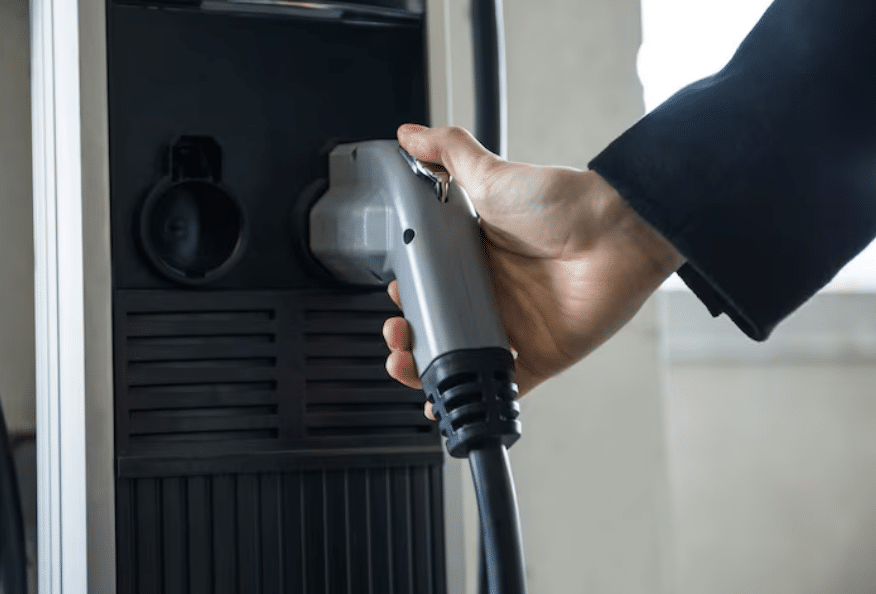
For a basic Level 2 installation in a Saskatoon home with adequate panel capacity and an attached garage, expect a total cost in the range of $900 to $1,800 plus GST, which typically covers labour, materials, permit, and testing. Longer wire runs, detached garages requiring conduit along an exterior wall or underground trenching, or finished spaces that need careful routing push costs toward $1,800 to $3,500. If a panel upgrade is part of the same project, the combined scope commonly runs $3,500 to $6,000 depending on service size and SaskPower coordination required. Combining both in one visit saves money compared to doing them separately.
Charger hardware is usually separate. A reliable Level 2 wall unit certified to CSA or cULus standards runs $600 to $1,200 for a basic model, and $1,000 to $1,800 for a smart unit with Wi-Fi scheduling and load sharing. Make sure the unit is rated for outdoor use if it’s going in an unheated garage or carport; Saskatoon winters demand a charger proven to operate reliably at -30°C or colder. Non-certified chargers are not acceptable under CEC and will fail inspection. Pro Service Mechanical can help you choose a unit that fits your vehicle, your budget, and your installation situation. Our outlet and switch installation experience means we know which receptacle configurations work best for each setup.
One Saskatoon homeowner we worked with, Darren K. from Stonebridge, bought a used Ioniq 5 and assumed his newer home’s 200-amp panel meant a quick install. When we assessed the panel, it had two circuits already tandem-tapped and no clean space for a 40-amp breaker without reorganising the load distribution. We sorted it out in the same visit, added the EV circuit, and passed inspection on the first trip. “I appreciated that they found the issue before starting instead of calling me mid-job with a surprise,” he said. That kind of upfront honesty is the standard we hold ourselves to.
Before booking any EV charger installation, ask your electrician whether they’re pulling a TSASK permit, whether the quote includes permit fees and SaskPower coordination if needed, and what the warranty covers on both labour and hardware. Ask them to walk you through the load calculation and tell you what breaker size they’re installing and why. Ask whether the charger location will actually reach your vehicle’s charge port without straining the cable. A good electrician answers all of these in plain language. For smart home electrical upgrades including Wi-Fi-enabled EV chargers with app-based scheduling, we can walk you through integration with your existing home systems as well.
If you’ve noticed flickering lights when the furnace kicks on, or a breaker that trips under heavy load, mention that before booking. These are signs of an already-stressed system, and adding a high-draw EV circuit on top of that without diagnosing the root issue would be the wrong call. Our team will identify what’s actually going on and give you a clear picture of what needs to happen first. If you ever need us after hours, our 24/7 emergency electrician in Saskatoon line is always available at (306) 230-2442.
Frequently Asked Questions
Which EV charger model should I buy for a Saskatoon home?
For most Saskatoon households, a Level 2 charger rated between 32 and 40 amps is a practical choice that balances overnight charging speed with panel load. The most important criteria are CSA or cULus certification, an outdoor rating of at least NEMA 3R if the unit will be in an unheated space, and a cold-weather operating rating of -30°C or lower. Smart units with Wi-Fi scheduling and load-sharing capability cost $1,000 to $1,800 and are worth considering if you plan to add a second EV later. Your installer can help confirm compatibility with your specific vehicle and installation location.
Does my panel have enough capacity for an EV charger?
The only reliable way to know is a load calculation under the Canadian Electrical Code, which accounts for all your existing major loads and demand factors for your service size. Homes with 200-amp service and modest loads often have room for a 40-amp EV circuit without any upgrades. Many 100-amp homes in Saskatoon can support a smaller Level 2 charger or a load-managed unit if the existing demand is not already high. If your home has a 60-amp service, a panel and service upgrade is almost certainly required. Pro Service Mechanical performs this assessment before recommending any work.
What does EV charger installation cost in Saskatoon?
A straightforward installation on a home with adequate panel capacity and an attached garage typically runs $900 to $1,800 plus GST for labour, materials, and permit, not including the charger hardware itself. Longer runs, detached garages, or finished-wall routing push costs to $1,800 to $3,500. If a panel upgrade is needed at the same time, the combined project is commonly $3,500 to $6,000 depending on service size and whether SaskPower coordination is required. Charger hardware adds $600 to $1,800 depending on the model. Getting both a panel upgrade and EV circuit done together is more cost-effective than scheduling them separately.
What does the permit and inspection process look like in Saskatchewan?
In Saskatchewan, any new 240-volt circuit requires an electrical permit issued through TSASK. Your licensed electrician pulls the permit, completes the work, and books the TSASK inspection. The inspector confirms circuit sizing, wiring methods, breaker rating, and code compliance before closing the permit. If the project involves a service upgrade, SaskPower is also coordinated for the meter and service work, which adds scheduling time of two to six weeks on the utility’s end. Pro Service Mechanical handles all permit applications and inspection scheduling on your behalf.
Are there rebates or SaskPower programs for home EV chargers?
Saskatchewan does not currently offer the broad provincial EV charger rebates available in British Columbia or Quebec. SaskPower’s residential efficiency programs have historically focused on heating and insulation upgrades rather than home chargers, though programs do change. The federal government has offered incentives through programs like ZEVIP for certain residential charging projects, so it’s worth checking Natural Resources Canada’s current listings before your installation. Keep all invoices, permit documentation, and charger certification information, as these are typically required for any rebate application. Pro Service Mechanical stays current on available programs and can flag anything relevant at the time of your quote.
Can I install a Level 2 charger outside in a Saskatoon winter?
Yes, outdoor installation is common and practical in Saskatoon provided the charger is rated for outdoor use and cold climates. Look for a unit with a minimum operating temperature of -30°C or lower, a weatherproof NEMA 3R or better enclosure, and UV-resistant conduit and fittings. The installation must follow Canadian Electrical Code requirements for wet locations, and mounting height and position should account for snow accumulation and equipment access in winter. A properly installed outdoor charger handles Saskatoon freeze-thaw cycles without issue. Many homeowners also choose a garage location to keep the unit sheltered from the worst weather.
How long does the installation take from start to finish?
The on-site work for a basic Level 2 installation typically takes three to six hours, with the power off for 30 to 90 minutes during panel work. A project that includes a panel upgrade or a longer conduit run to a detached garage may take a full day or require two visits. From initial contact to completed installation, straightforward jobs are often scheduled within three to ten business days. If a service upgrade involving SaskPower is part of the project, allow two to four weeks overall to account for SaskPower’s scheduling. The TSASK inspection may be a separate appointment after the installation is complete.
What warranty applies to the installation and the charger hardware?
Most reputable EV charger manufacturers offer three to five years of warranty on the hardware, depending on the brand and model. Pro Service Mechanical provides a workmanship warranty on labour covering connections, terminations, and installation quality. Manufacturer warranties generally do not cover damage from flooding, vehicle impact, or power surges, which is one reason we recommend discussing whole-home surge protection at the time of your EV charger installation. Ask your installer to clearly explain what the workmanship warranty covers and how to make a claim if something goes wrong after the job is done. Keep your permit documentation and receipt as proof of a code-compliant, inspected installation.