
Most Saskatoon homeowners have never seen a surge damage anything directly. There is no explosion, no flash, no obvious moment when it happens. The furnace control board just stops responding one January morning, or the fridge starts cycling strangely a week after a summer storm rolls through. Surges are quiet, cumulative, and surprisingly common on the prairie grid, where lightning, utility switching, and SaskPower restoration events send voltage spikes through neighbourhood feeders on a regular basis. Whole home surge protection in Saskatoon is one of the most cost-effective electrical upgrades a homeowner can make, and it is one of the few jobs that protects everything in the house at once.
At Pro Service Mechanical, our licensed electricians install panel-mounted surge protective devices on homes across Saskatoon, from 1960s bungalows in Westmount to new builds in Brighton and Kensington. We explain exactly what a device does, confirm your panel is ready for it, and handle the paperwork, so you are not left guessing whether the job was done right. If you want to get a quote on the books before the next storm season, our Request for Service form takes two minutes, or you can call us at (306) 230-2442 for a same-day or next-day response.
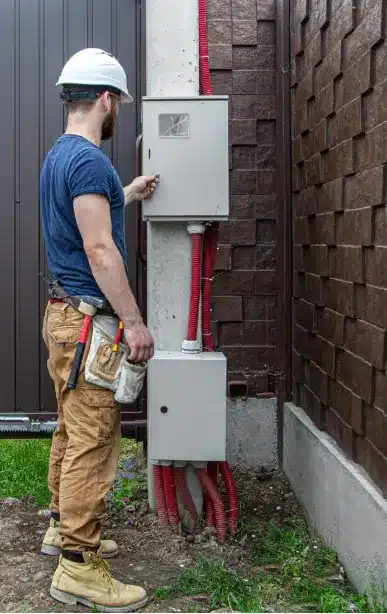
Saskatchewan’s power grid is built for long distances. Long rural feeders mean that when a transformer gets switched, a line fault is cleared, or a storm causes a momentary outage and then power is restored, that voltage event travels a long way before it reaches your meter. Saskatoon Light and Power and SaskPower both serve city neighbourhoods, and both deal with the same seasonal reality: summer thunderstorms, wet-snow ice loading, and vehicle collisions with poles along arterials like Circle Drive or Warman Road that cause fast, repeated recloser operations. Each of those events sends a surge through the line.
The surges that do the most damage are rarely from a direct lightning strike. They come from the restoration. When crews re-energise a feeder after isolating a fault, or when a large motor load drops off somewhere upstream and voltage momentarily climbs, every home on that circuit absorbs some of that transient energy. Furnace control boards, smart thermostats, appliance electronics, EV chargers, and home automation equipment are all sensitive to these events in ways that older resistive appliances simply were not.
Homes in newer Saskatoon subdivisions like Evergreen or Rosewood have more electronics per square foot than homes ever have before. Older homes in Mount Royal or Fairhaven may have less sophisticated equipment, but they often have older panels and wiring that are already running close to their limits. Both ends of the housing spectrum benefit from a panel-mounted surge protective device that intercepts excess voltage before it reaches branch circuits. Our broader electrical services in Saskatoon cover everything from service upgrades to smart home wiring, but surge protection is one of the fastest single-visit wins we can offer a homeowner.
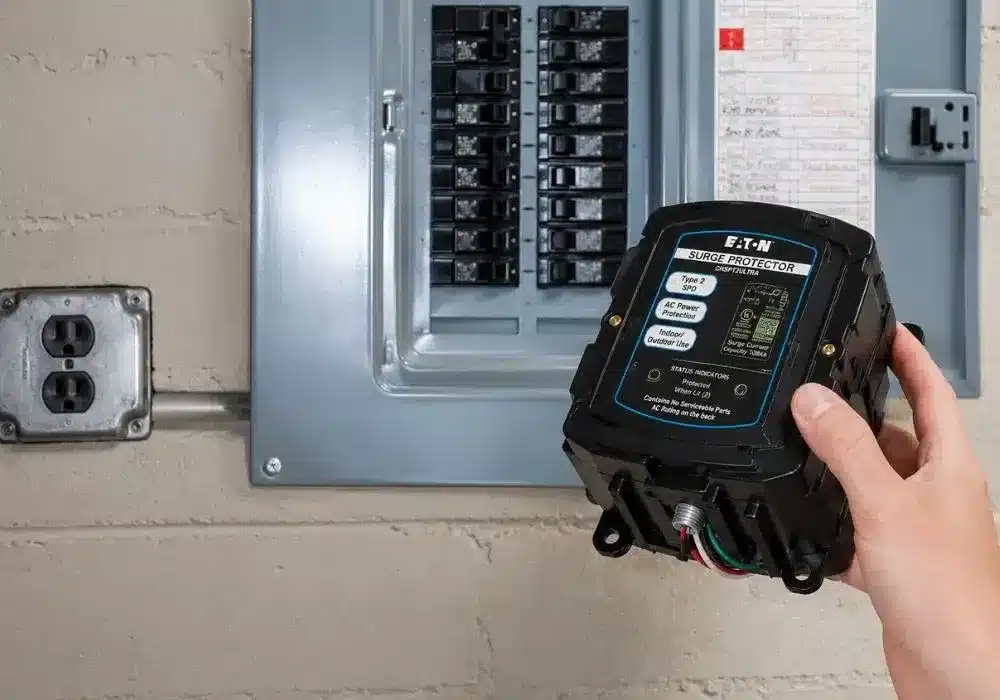
A Type 2 surge protective device, or SPD, mounts at or beside your main electrical panel and connects directly to the panel conductors and grounding system. When voltage on the line climbs above the device’s threshold, metal oxide varistors inside the SPD divert the excess energy to ground before it can travel down your branch circuits. The process happens in nanoseconds. From your perspective, nothing happens at all, which is exactly the point.
Type 2 devices are the standard for residential panel installations. They are distinct from the power bars you plug a TV into, which are point-of-use protectors, and from Type 1 devices that are installed on the utility side of the meter for heavy-duty applications. A properly selected Type 2 SPD is listed and certified for your specific panel, and it mounts cleanly inside the enclosure with a dedicated circuit connection. The status indicator on most units will tell you at a glance whether the device is still active, which matters because SPDs absorb surge energy over their lifetime and eventually wear out.
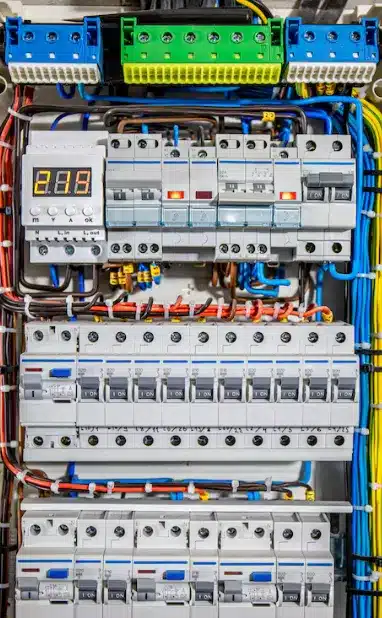
Installation is typically a one- to two-hour job on a panel that has adequate space and sound grounding. Our electricians start by assessing the panel condition before touching the SPD, because a surge protector installed on a panel with loose terminations, overheating breakers, or a compromised ground path will not perform properly. If we find something that needs attention first, we will tell you plainly, with a separate quote, before doing any additional work. Our electrical panel upgrades page covers that side of the work in detail if your panel turns out to be the more pressing issue.
Installed cost for a standard whole-home surge protector in Saskatoon typically runs between $400 and $800 CAD, depending on the SPD model, panel access, and whether any minor corrections are needed. Panels that are crowded, older, or that have grounding deficiencies can push the job closer to $900 to $1,200 CAD once those issues are addressed. We provide written quotes that separate the device, labour, and any additional work so you know exactly what is optional before you approve anything.
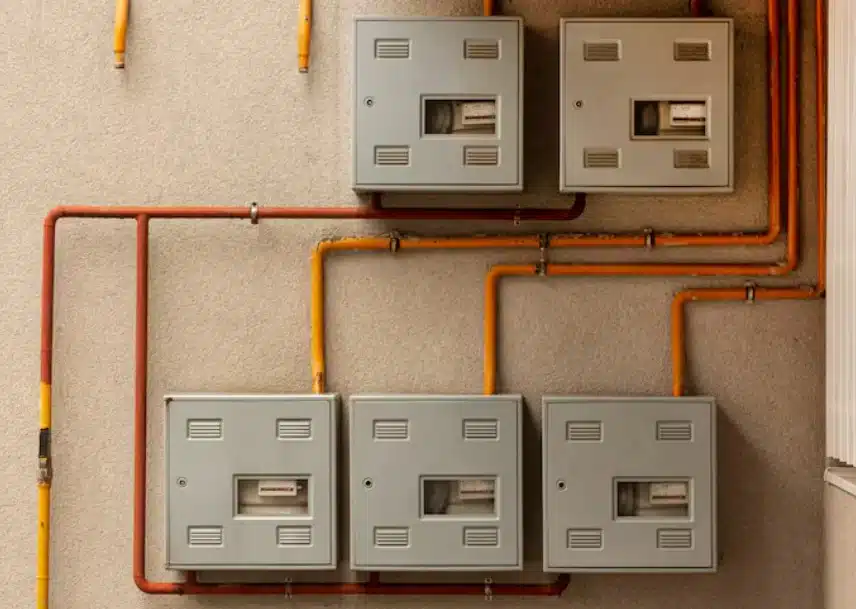
A panel-mounted SPD handles surges coming in from the utility side. It does a good job of that. What it does not fully address are the smaller internal surges that originate inside your own home when large motors, compressors, or heating elements cycle on and off. Your furnace, refrigerator, washing machine, and air conditioner all create voltage disturbances on their circuits when they start and stop. Over months and years, that internal noise is part of what degrades sensitive electronics.
For a home with a lot invested in entertainment systems, home office equipment, or smart home electrical upgrades, point-of-use surge protectors on those specific circuits add a second layer of defence right at the device. Think of the panel SPD as protecting the whole house from outside events, and the plug-in protectors as protecting individual equipment from everything else. The combination is what electricians and manufacturers mean when they talk about a layered approach.
Sandra K., a homeowner in Stonebridge, called Pro Service Mechanical after a summer storm left her with a furnace that would not respond and a fridge that needed a service visit. The storm had not knocked out power for more than a few seconds. After the panel SPD was installed, she also added point-of-use protection to her home office circuit and her entertainment room. “I had no idea that power bars from the dollar store were basically useless,” she said. “Now I actually feel like we’re covered.” Our team also checked her outlet and switch installation throughout the main floor while we were on site, at no extra charge for the inspection.
Recent editions of the Canadian Electrical Code have added requirements for surge protective devices on new dwelling unit services and panelboard replacements, and Saskatchewan adopts the CEC through provincial regulation enforced by TSASK, the Technical Safety Authority of Saskatchewan. Whether a permit is required for adding a panel SPD to an existing installation depends on the exact scope of work. Any time an electrician is working inside your main panel, that work falls under Saskatchewan’s electrical safety system, and a licensed electrician should be confirming the permit and inspection requirements before starting. We handle that coordination as part of the job.
For insurance purposes, documented professional installation by a licensed electrician matters. If you ever need to make a claim related to surge damage and your insurer asks whether the home had surge protection installed to code, you want a paper trail: the invoice, the device model, and confirmation of licensed installation. Some insurers in Saskatchewan will acknowledge whole-home surge protection as a risk-reduction measure, but call your broker before assuming you will see a premium discount. The clearer financial benefit is usually in the electronics, furnace boards, and appliances you do not have to replace.
If your home needs more than a surge protector, we can help with that too. Our residential electrical services cover everything from electrical repairs and maintenance to full panel work, and if anything is genuinely urgent, our 24/7 emergency electrician in Saskatoon team is available around the clock. For families who want reliable comfort that is not undone by a grid event at 2 a.m., whole-home surge protection is a straightforward, permanent improvement to your home’s electrical resilience. Call Pro Service Mechanical at (306) 230-2442 to book a visit, or use the Request for Service form and we will follow up the same day when possible.
Surges are sudden spikes in voltage that last milliseconds or less. In Saskatoon, common sources include SaskPower or Saskatoon Light and Power switching events, power restoration after outages, nearby lightning, and vehicle collisions with utility poles along busy arterials. Internal sources are also real: your furnace, refrigerator compressor, and air conditioner all create small voltage disturbances on their circuits every time they start and stop. Over time, those internal and external events combine to degrade sensitive electronics and control boards.
Most jobs land between $400 and $800 CAD, including the device and labour, on a panel with reasonable access and no significant pre-existing issues. If the panel is crowded, older, or has grounding or bonding problems that need to be corrected first, total cost can reach $900 to $1,200 CAD or more. We always provide a written quote that separates the surge device cost, labour, and any additional work, so nothing is bundled in without your approval.
A panel-mounted Type 2 SPD is designed to handle utility-side surges, including lightning-induced spikes that travel through the power lines into your home. A direct strike on or immediately adjacent to your house can overwhelm any single device, which is why layered protection, panel SPD plus point-of-use protectors on sensitive equipment, gives you a more complete defence. No device can guarantee zero damage in every scenario, but a properly installed panel SPD significantly reduces the likelihood of damage from the lightning events most Saskatoon homes actually experience.
Most quality panel-mounted SPDs carry manufacturer warranties of five to ten years on the device itself. Some manufacturers also advertise connected-equipment warranties, but those programs have specific conditions: the installation must be professional, grounding must meet standards, and the equipment must have been connected properly at the time of the surge. Before relying on a connected-equipment warranty for any high-value appliance, read the exclusions carefully and keep your installation invoice as documentation.
Some insurers will note whole-home surge protection as a risk-reduction feature, but there is no standardised Saskatchewan discount you can count on. Contact your broker directly to ask whether your specific policy carrier recognises it. The more reliable financial benefit is the repair and replacement cost you avoid when a surge event damages a furnace control board, a refrigerator compressor, or a set of smart-home devices, costs that can easily exceed the price of the SPD several times over.
Yes, for a complete system the answer is both. The panel device intercepts large incoming surges from the utility side, while point-of-use surge protectors add a second layer directly at sensitive equipment like computers, televisions, and home office gear. They protect against different things: the panel SPD handles grid events, while quality plug-in protectors handle smaller internal transients and any energy that slips past the panel device. If budget is a constraint, start with the panel device for whole-home coverage, then add point-of-use protection to your most valuable equipment.
On a straightforward job with a panel that has available space and good grounding, installation typically takes one to two hours. The power to the panel needs to be off for a portion of that time, not the entire visit, and in most cases the outage is measured in minutes rather than hours. If the electrician finds corrections that need to be made first, the timeline can extend; we will tell you before proceeding with any additional work.
SPDs absorb surge energy over their lifetime, and they have a finite capacity. Most quality residential units are rated for many years of normal service, but a neighbourhood with frequent grid disturbances will wear out a device faster than one with a stable supply. The easiest way to monitor yours is to check the indicator light on the device periodically; most units have a visible status display that shows when protection is no longer active. Including the SPD in your regular electrical repairs and maintenance check every few years is a practical way to make sure it has not quietly failed after a major surge event.