If you’ve lived in Saskatchewan for more than five minutes, you already know spring doesn’t arrive politely. It bursts in with sunshine one day and then—without warning—drops another round of snow the next. These surprise snowstorms are practically a seasonal tradition in Saskatoon, Warman, and Martensville, and while they might make for dramatic weather conversations, they can also have a real impact on your home’s HVAC system.
Many people assume once winter starts winding down their heating equipment gets a break. In reality, the combination of fluctuating spring weather, sudden snowfall, and lingering cold weather can create unexpected stress on heating and cooling equipment. Understanding how these conditions affect your HVAC system can help you avoid costly repairs, maintain energy efficiency, and keep your home comfortable as Saskatchewan slowly transitions out of the winter months.
The team at Pro Service Mechanical in Saskatoon regularly sees what spring snow can do to heating and cooling systems. The good news is that most problems are preventable once you know what to watch for.
Why Spring Weather Is Hard on Your HVAC System
Saskatchewan’s unpredictable spring weather is tough on mechanical systems. One day might bring bright sunshine and melting snow, while the next delivers another blast of winter storms and plunging temperatures. That constant back-and-forth forces your HVAC system to adapt quickly.
During the morning you might still rely on your heating system to warm the house, but by afternoon the sun may raise temperatures enough that the furnace barely runs. Your thermostat responds to these fluctuations automatically, switching heating cycles on and off throughout the day to maintain a comfortable indoor temperature.
These frequent changes aren’t necessarily harmful on their own, but when sudden snow accumulation or freezing rain enters the mix, outdoor equipment can experience additional strain. If the outdoor HVAC unit becomes partially buried in snow or blocked by drifting ice, the system can struggle to maintain proper airflow.
Reduced airflow is one of the most common causes of declining system’s performance during spring storms.
How Snow and Ice Impact Your Outdoor HVAC Unit
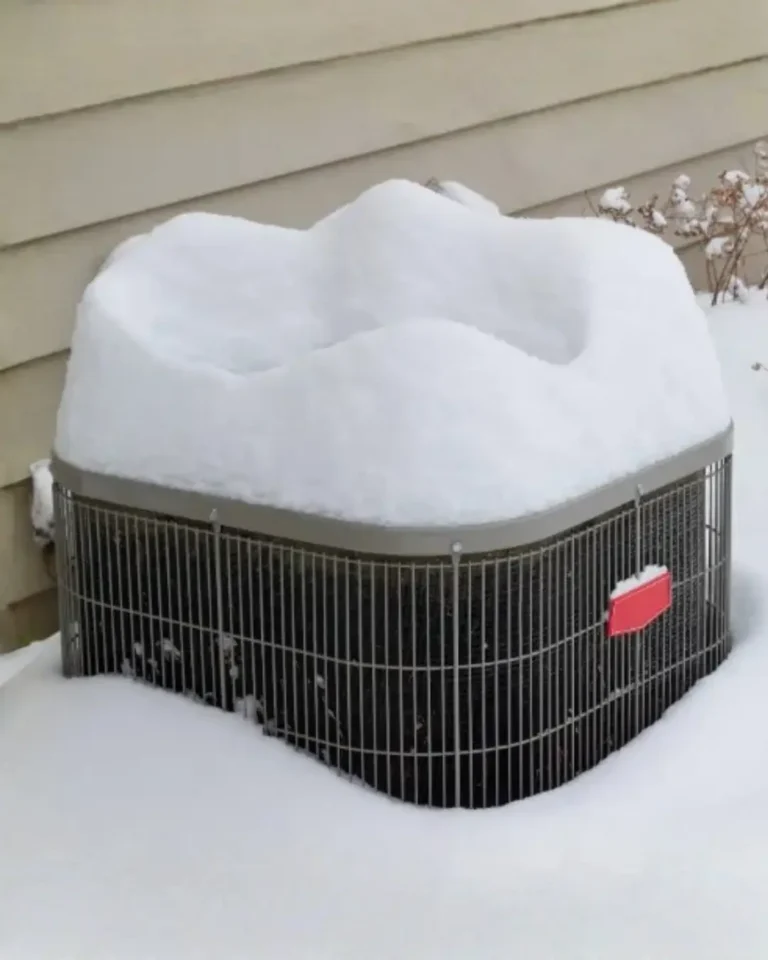
Your outdoor HVAC unit, which may include a heat pump, condenser, or cooling components, sits outside exposed to the elements all year. While these systems are designed to withstand harsh prairie conditions, heavy snowfall and freezing temperatures can still create problems.
When drifting snow piles up around the unit, it can form an obstruction that restricts proper airflow. Air needs to circulate freely around the equipment for the system to function efficiently. If snow or debris blocks the intake or exhaust areas, the unit may struggle to regulate temperature.
Over time, this can lead to ice buildup along metal coils and internal components. Once ice accumulation begins forming, the system has to work harder to maintain the desired indoor climate. That additional strain can increase energy bills and potentially shorten the lifespan of critical components.
This is particularly true for homes using a heat pump, which relies on outdoor air exchange to operate efficiently.
Why Heat Pumps Are Especially Sensitive to Snow
A heat pump is a versatile piece of HVAC equipment that can both heat and cool a home depending on the season. In Saskatchewan’s transitional climate, many homeowners rely on a heat pump to handle mild heating duties during spring before the air conditioner takes over in summer.
However, a heat pump depends heavily on unobstructed airflow to operate correctly. When snow surrounds the unit, the system may struggle to pull in the air it needs to transfer heat effectively.
Most modern heat pump systems include a defrost cycle designed to remove frost from the outdoor coils. But when heavy ice buildup forms due to freezing rain or wet snow, the defrost function may need to run more frequently than normal. This can temporarily reduce heating output and increase overall energy consumption.
If left unchecked, excessive ice accumulation may even place additional stress on the compressor, which is one of the most expensive parts of the entire HVAC system.
The “Two Foot Rule” for Outdoor HVAC Units
HVAC professionals often talk about the “two foot rule,” and it’s especially relevant during unpredictable spring weather in Saskatoon. Simply put, the rule recommends keeping at least two feet of clearance around any outdoor HVAC equipment.
This buffer zone ensures there is enough space for air circulation and prevents snow or debris from creating an obstruction. If heavy snow accumulation piles against the unit, it can reduce proper airflow and limit the equipment’s ability to regulate temperatures effectively.
Whenever snowstorms roll through Saskatoon, Warman, or Martensville, it’s a good idea to take a quick walk outside and clear snow away from the unit. A few minutes with a shovel can help prevent unnecessary strain on your HVAC system.
Can Snow Damage Your Heating System?
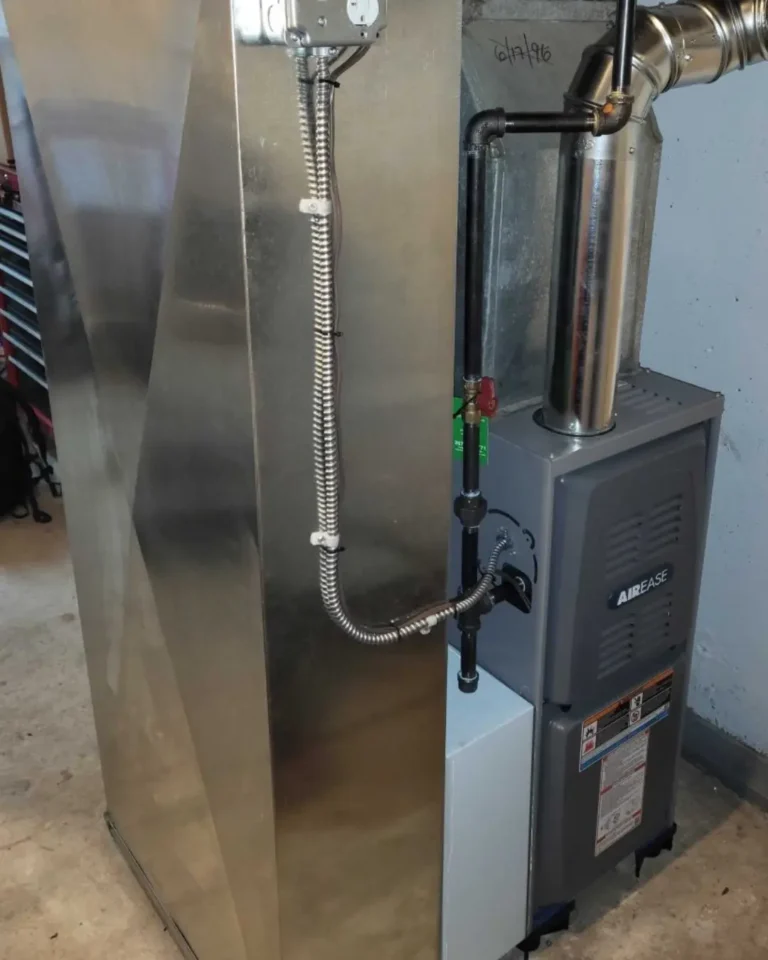
While most furnaces are located indoors, outdoor components still influence how the overall heating system operates. For example, blocked vents or clogged intake pipes can interfere with the furnace’s combustion process.
In extreme cases, restricted airflow can cause the furnace to shut down automatically as a safety precaution. These shutdowns help prevent dangerous gases like carbon monoxide from entering the home.
Although such situations are rare, they highlight the importance of keeping outdoor vents clear during lingering winter weather or spring storms. Regular checks help ensure your HVAC system continues operating safely.
The Most Common HVAC Component to Fail in a Snowstorm
Across many heating and cooling systems, the compressor is often the component most vulnerable to failure. The compressor acts as the heart of many cooling systems, circulating refrigerant through the coils to move heat in and out of the home.
If snow or debris causes restricted airflow around outdoor equipment, the compressor may have to work harder to maintain the desired indoor temperature. Over time, this added workload can contribute to breakdowns or reduced efficiency.
Preventing this kind of damage is one of the reasons seasonal HVAC maintenance is so valuable. Regular inspections help identify potential issues before they turn into major system failures.
Why Spring Snow Can Impact Indoor Air Quality
Beyond mechanical strain, snow and ice can also affect indoor air quality. During the winter months, homes remain sealed tightly to keep heat inside. When temperatures begin fluctuating in spring, many households start transitioning between heating and ventilation.
This is when dust, pollen, and early seasonal allergens can begin circulating through the home’s ductwork. If air filters haven’t been replaced in a while, airflow may carry these allergens through the ventilation system.
Combined with the lingering effects of winter dust, these particles can reduce indoor air quality and aggravate allergies.
Maintaining clean air filters and scheduling seasonal HVAC maintenance from Pro Service Mechanical helps remove accumulated debris while ensuring your HVAC system continues delivering clean, healthy air throughout the home.
Why Gutters Matter More Than You Think
Your home’s gutters may not seem connected to your heating and cooling equipment, but they can influence how snow and ice affect your system.
When clogged gutters overflow during a thaw, melting water can drip down near outdoor HVAC components. Overnight freezing temperatures can then turn that water into ice around the unit.
Over time, this can create ice buildup or slippery conditions that make maintenance more difficult. Keeping gutters clear during the seasonal transition helps prevent water runoff from collecting near your HVAC equipment.
The Value of Spring HVAC Maintenance
Because spring weather can be unpredictable, scheduling seasonal HVAC maintenance is one of the best ways to protect your equipment.
A professional HVAC technician from Pro Service Mechanical can inspect your system for damage caused by winter storms, check airflow levels, and ensure components are functioning properly. During a routine tune-up, technicians often evaluate the system’s refrigerant levels, inspect the condenser, and confirm the compressor is operating within safe limits.
Preventative maintenance helps maintain energy efficiency, improves the overall system’s performance, and reduces the likelihood of unexpected emergency repairs later in the year.
For homeowners in Saskatoon, this type of inspection is particularly valuable because systems experience both extreme winter cold and hot summer temperatures.
Avoiding Costly Repairs After Late Winter Storms
One of the biggest advantages of early spring inspections is avoiding costly repairs. Small issues that develop during the winter months can easily go unnoticed until temperatures rise and the system begins working harder again.
Loose wiring, worn components, or minor refrigerant leaks may not immediately cause a breakdown, but they can eventually lead to larger problems.
Routine HVAC service from Pro Service Mechanical helps identify these issues early and prevent unnecessary emergency repairs later in the year.
Local HVAC Experts Serving Saskatoon, Warman, and Martensville
If lingering snow or unexpected weather has you wondering about the condition of your system, the experienced team at Pro Service Mechanical is here to help. Serving Saskatoon, Warman, and Martensville, our technicians specialize in diagnosing seasonal HVAC challenges and ensuring systems perform reliably throughout the year.
Whether your heat pump needs inspection, your HVAC system requires a spring tune-up, or you want to ensure your air conditioner is ready for summer, Pro Service Mechanical provides professional solutions designed for Saskatchewan homes.
Spring may bring unpredictable weather, but with the right preparation and support from Pro Service Mechanical, your home’s comfort system will be ready for whatever the prairie skies decide to deliver next.