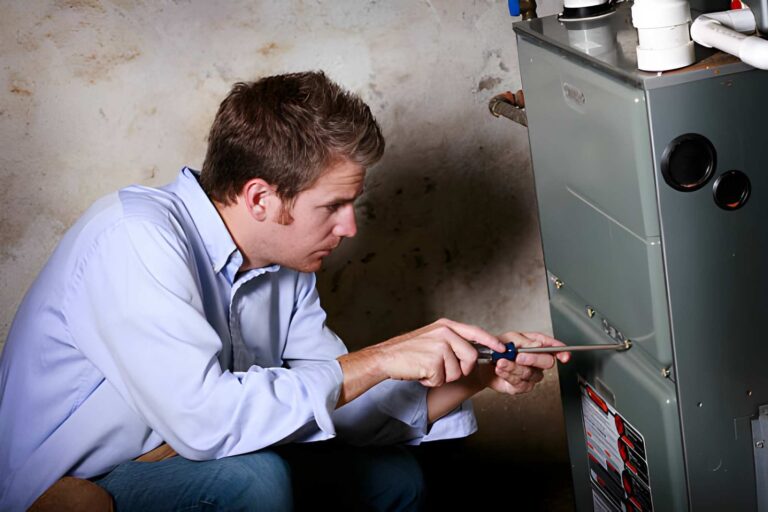
Furnace Repair vs Replacement: How to Decide in Saskatoon
Key Takeaways Repair is usually the better choice when the furnace is relatively young, the problem is isolated, and the system has been reliable. A minor component
Key Takeaways Repair is usually the better choice when the furnace is relatively young, the problem is isolated, and the system has been reliable. A minor component
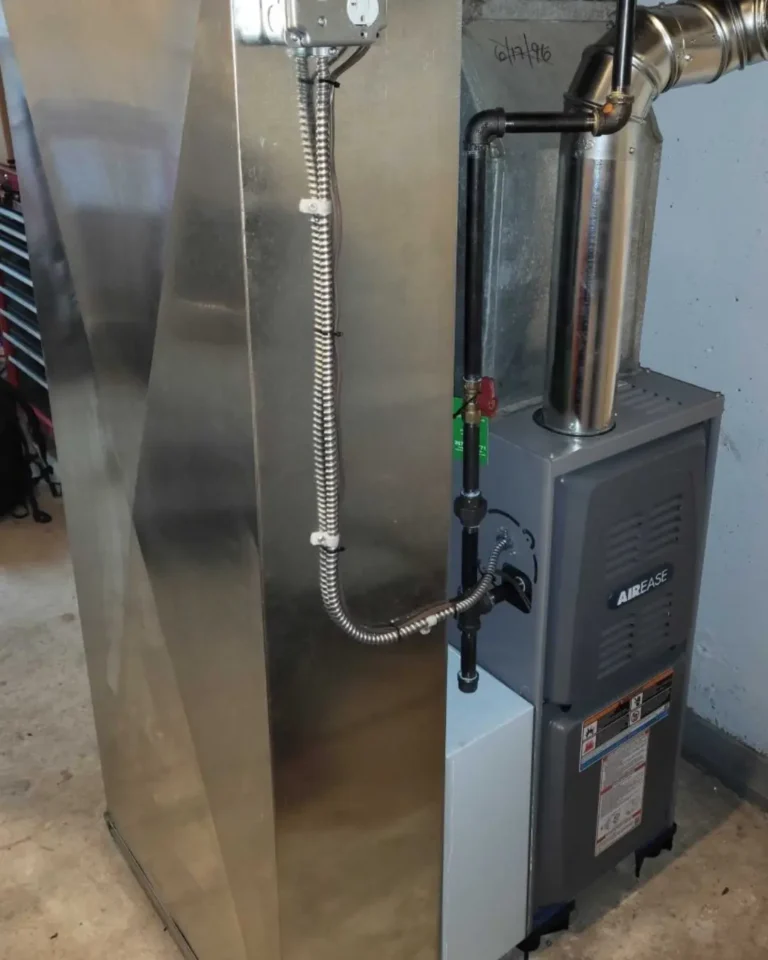
As winter slowly loosens its grip on Saskatoon, something interesting starts happening in homes across the city. The snowbanks shrink, the sun sticks around a little longer,

When Saskatoon temperatures fall below –30 °C, homeowners need a heating system that delivers steady warmth and reliability. Two common options—boilers and furnaces—operate differently, each with unique
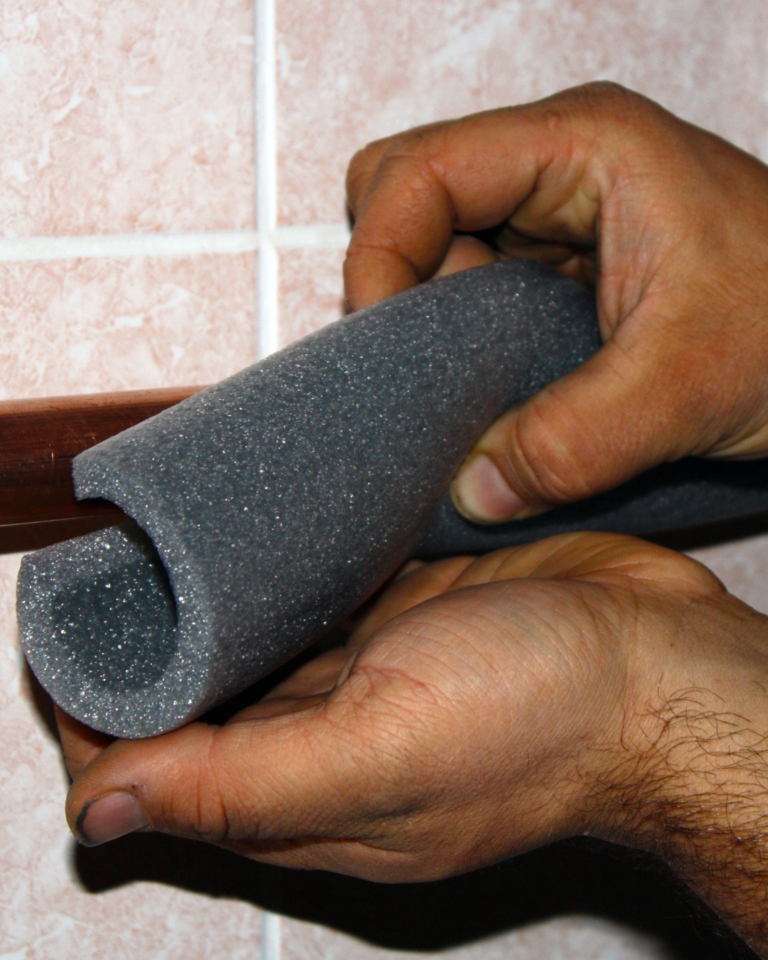
When Saskatoon temperatures dip below freezing, your home’s comfort depends on more than just a working furnace. The plumbing system relies on that steady indoor heat to

When temperatures plummet in Saskatoon, homeowners rely on heating systems around the clock. But with constant use comes responsibility—proper installation, maintenance, and code compliance are essential for

Heat pumps are gaining traction across Canada, but many homeowners in Saskatchewan still wonder: Can they really handle our winters? Advances in cold-climate technology now make them

Smart thermostats are transforming the way Saskatoon homeowners manage comfort and energy use. When temperatures hover below –20 °C, a properly programmed thermostat can cut heating costs

When the temperature outside plunges, most Saskatoon homeowners close windows and rely on their furnaces 24/7. That means less fresh air, more recirculation, and a higher concentration

Wide-open commercial shops and residential garages face one big problem every Saskatchewan winter: uneven heat. Traditional furnaces struggle to warm high-ceiling areas, leading to wasted fuel and
As natural-gas prices fluctuate and winters grow harsher, many Saskatoon homeowners wonder whether upgrading to a high-efficiency furnace really pays off. The short answer: yes—when properly installed