

Silverspring sits in the northeast corner of Saskatoon, a thoughtfully planned suburban neighbourhood where quiet crescent streets carry names that celebrate local athletes and community figures. Konihowski Drive, Fairbrother Crescent, Carr Crescent, and Coben Crescent wind through a landscape of well-kept single-family homes, neighbourhood parks, and one of the city’s most remarkable natural assets: the preserved Saskatoon Natural Grasslands, a 34-acre pocket of uncultivated fescue prairie just steps from the back yards of many residents. With École Silverspring School anchoring the community along Konihowski Road and the adjacent Forestry Farm Park and Zoo providing a green backdrop to the northeast, Silverspring has earned its reputation as one of Saskatoon’s most livable family-oriented areas.
What sets Silverspring apart from older Saskatoon neighbourhoods is its construction era. The vast majority of homes here were built from the late 1980s through the 2000s and beyond, meaning they arrived on the market before central air conditioning became a standard feature in Prairie new builds. Summers in northeast Saskatoon can push well past 30°C, and with over 1,650 households and an average family size of 2.8 people, the demand for reliable home cooling has never been stronger. Pro Service Mechanical works regularly with Silverspring homeowners to bring modern air conditioning into homes that were built for Prairie winters first and summer comfort second.
Built for Cold, Not for Heat: Why Silverspring Homes Are Ready for AC Upgrades

The homes of Silverspring were constructed during a period when Saskatchewan builders focused heavily on insulation, high-efficiency furnaces, and airtight envelopes to combat the brutal winters that can drop to -30°C. That emphasis on thermal efficiency is a genuine asset, but it creates an unintended summer problem. Homes with R-50 attics and well-sealed walls trap solar heat gain during July and August as effectively as they hold furnace warmth in January. Without a mechanical cooling system, interior temperatures in these houses can climb uncomfortably and stay there for days at a stretch.
Most Silverspring homes were built with forced-air gas furnaces and full duct systems already in place, which is genuinely good news for homeowners considering central air conditioning. That existing ductwork, typically designed to move heated air through two or three floors of a suburban home, can often be adapted to handle a central AC system with relatively straightforward modifications. The key is a thorough assessment to confirm duct sizing, airflow balance, and whether the existing blower motor can handle the added cooling load efficiently.
The neighbourhood’s low-density layout, with detached and attached garages common across the community, adds another layer of consideration. Many Silverspring homes have oversized floor plans by older Saskatoon standards, with main floors, developed basements, and upper levels all requiring even cooling distribution. Undersized equipment or poorly balanced duct systems will leave upper bedrooms stuffy while the basement stays cool, a common complaint that AC installation services from a knowledgeable local contractor can prevent from the start.
The grasslands and open park spaces bordering parts of Silverspring contribute to wind exposure on certain lots, particularly those backing onto Dave King Park or the natural grasslands corridor. Wind-driven heat transfer and variable sun exposure mean that homes in the more open sections of the neighbourhood can experience higher cooling loads than a standard calculation might suggest. Accounting for these site-specific factors is part of what separates a professionally sized AC installation from a generic one.
What AC Installation Actually Involves in a 1990s or 2000s Silverspring Home
Most Silverspring homeowners are surprised by how much goes into a proper central air conditioning installation beyond simply placing an outdoor condenser on a pad and connecting refrigerant lines. The process begins with a Manual J load calculation, a room-by-room analysis of heat gain based on window placement, insulation values, ceiling heights, and orientation. For a typical Silverspring two-storey or split-level home, this calculation determines exactly how much cooling capacity is needed, preventing the common mistake of installing an oversized system that short-cycles and fails to dehumidify properly.
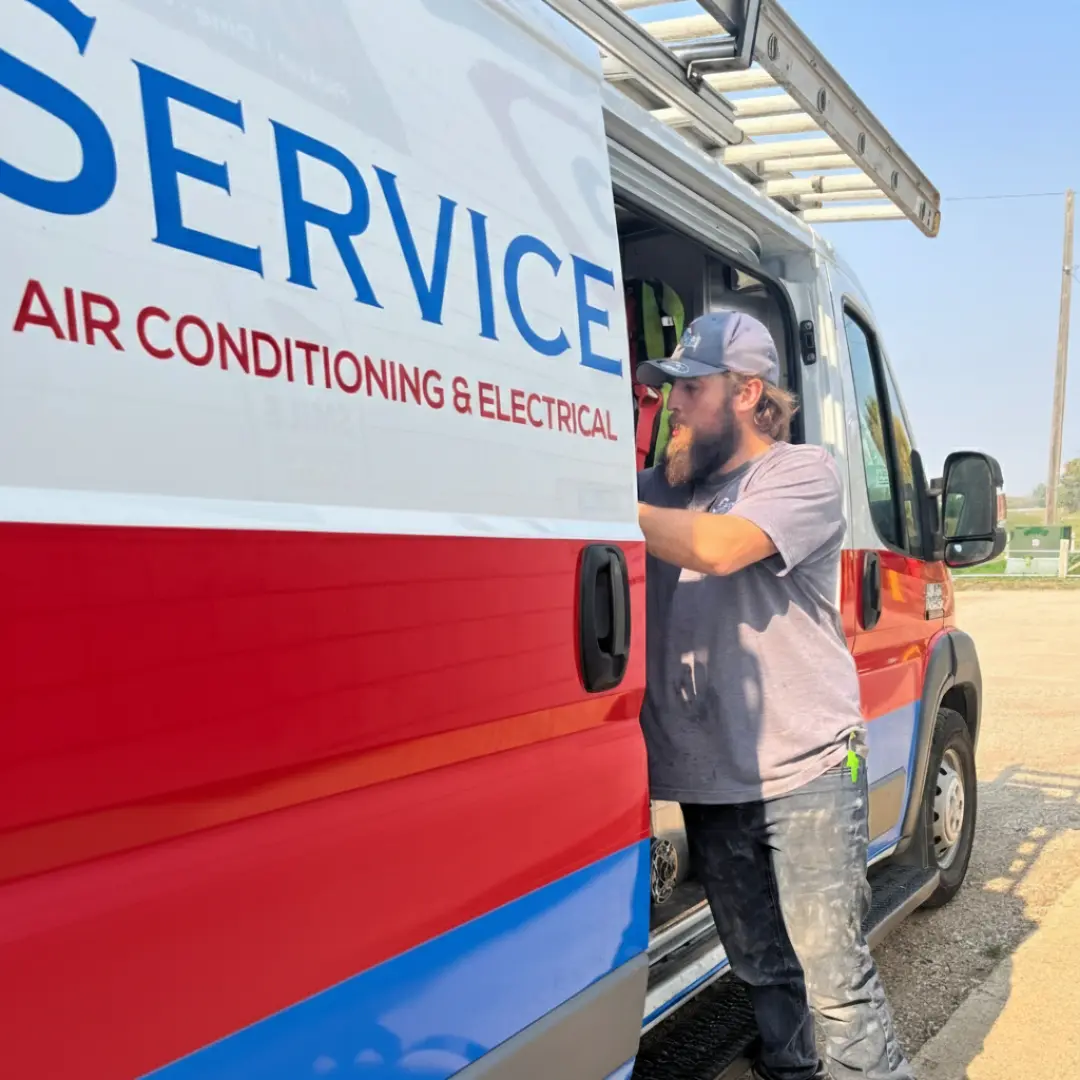
Electrical infrastructure is frequently the first practical hurdle. Most homes in this neighbourhood were wired with panels sized for the heating and lighting loads of their construction era. Adding a central air conditioner requires a dedicated 240-volt circuit, and in many cases the existing panel needs to be assessed for available capacity. A qualified installation team will identify whether a panel upgrade or a simple circuit addition is required before any equipment is ordered, avoiding costly surprises mid-project.
Duct modifications are common in Silverspring homes, particularly in properties with finished basements added after original construction. When lower levels were developed, duct branches were sometimes added without a full recalculation of the trunk line sizing. For cooling, where precise airflow balance matters even more than in heating, these modifications need to be addressed. Return air pathways, often undersized in homes that were never designed for AC, must be adequate to allow the system to breathe properly and maintain efficiency.
The outdoor condenser placement requires attention to both technical and practical factors. In a neighbourhood where yards are well-maintained and neighbours are close, unit placement that minimizes noise impact, maintains required clearances from fences and eavestroughs, and allows for seasonal service access is important. North or east-facing shaded locations reduce the thermal load on the condenser itself, improving efficiency. On lots backing onto the grasslands or open park space, additional considerations around debris accumulation and wind direction play a role in long-term equipment performance.
Refrigerant line sets, typically copper tubing running from the outdoor unit through the wall or floor to the indoor coil installed above the furnace, must be properly sized, insulated, and supported. Inadequate line set insulation is one of the most common installation shortcuts that leads to efficiency losses and premature compressor wear. Pro Service Mechanical’s installation crews follow manufacturer specifications precisely on every Silverspring job, because shortcuts that save an hour during installation often cost homeowners significantly more over the life of the system.
The Real Cost of Getting AC Installation Right the First Time
Homeowners in Silverspring have invested significantly in their properties, with single-family homes averaging over $500,000 in recent years. That level of investment deserves equipment and installation work that matches it. A central air conditioning system installed correctly, with properly sized equipment, balanced airflow, and sealed refrigerant connections, will perform reliably for 15 to 20 years. A system installed carelessly, with an oversized unit, unmodified ducts, or rushed electrical work, may cool adequately for the first summer but will reveal its shortcomings through high energy bills, uneven temperatures, and premature component failures within a few seasons.
Professional AC installation services also protect your warranty coverage. Most major equipment manufacturers require professional installation by a licensed contractor as a condition of their equipment warranties. DIY or unlicensed installations void those protections entirely. For a piece of equipment that represents a $4,000 to $8,000 investment, ensuring the warranty remains valid is a straightforward financial decision.
A Silverspring Family’s Summer Story: Cooling Konihowski Drive
Last summer, a family on Fairbrother Crescent reached out to Pro Service Mechanical after enduring three consecutive summers in a home that became uncomfortably warm by mid-July each year. Their 2003-built two-storey had never had central air, and portable window units had proven inadequate for the upper floor bedrooms where their children slept. The husband had been putting off the project, assuming the installation would be disruptive and the cost prohibitive.
The installation team completed a full load calculation, identified that their existing duct system needed two additional return air grilles to handle AC airflow properly, and recommended a mid-efficiency two-stage central air conditioner matched to the home’s actual cooling load. The entire job was completed in one day. “I wish we’d done this three years ago,” said homeowner Sandra K. “The upstairs is actually comfortable now, and the system is quieter than I expected.” The family’s energy bills actually decreased slightly compared to running multiple window units, a result of the properly sized central system’s efficiency advantages.
Why Silverspring Homeowners Choose Pro Service Mechanical
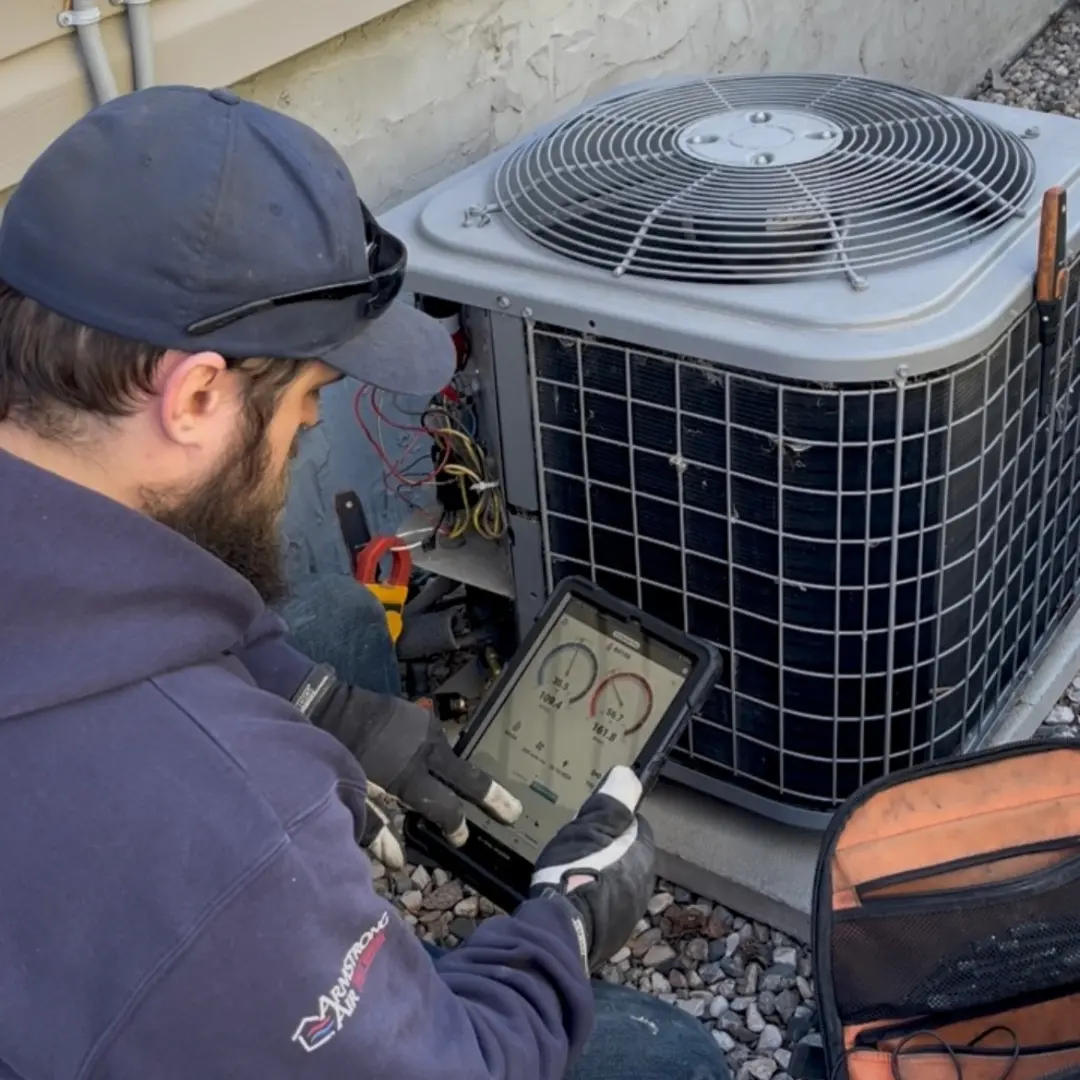
Pro Service Mechanical has been serving Saskatoon homeowners for years, building a reputation for straightforward pricing, technically skilled installation crews, and honest assessments that put homeowners’ long-term interests first. In a neighbourhood like Silverspring, where many residents are established families with busy schedules and significant property investments, the combination of reliability and expertise matters enormously. Our technicians are familiar with the construction characteristics common to northeast Saskatoon homes, including the duct configurations, electrical panel generations, and structural features typical of late-1980s through 2000s builds.
Transparent pricing is a core part of how we operate. Before any work begins, Silverspring homeowners receive a written quote that covers equipment, installation, any necessary electrical or duct modifications, and commissioning. There are no surprises on the final invoice. We also take the time to explain what we’re recommending and why, so homeowners understand what they’re investing in and can make informed decisions about equipment grade, efficiency ratings, and optional features like smart thermostats or variable-speed blowers.
Availability matters in Saskatchewan’s climate. Our emergency AC repair service means that if your system develops a problem on the hottest weekend of the summer, you’re not waiting days for help. We provide responsive service across Silverspring and the surrounding northeast Saskatoon communities because we understand that a non-functioning AC system in July is not a minor inconvenience for a family with young children or elderly household members.
Beyond installation, we support Silverspring homeowners through the full life of their equipment. Our technicians can advise on the best time to service your air conditioner annually, typically in late spring before the heat arrives, and can integrate AC maintenance with your existing furnace and heating systems service schedule. A single contractor who knows your entire HVAC system is a genuine advantage when troubleshooting seasonal performance issues. Call us at 306-230-2442 to discuss your cooling needs.
Year-Round Comfort: AC, Air Quality, and Your Home’s HVAC System Working Together
Central air conditioning does more than cool your home during Saskatoon’s summers. It fundamentally changes the indoor environment by removing moisture from the air as part of the cooling process. Silverspring’s airtight, well-insulated homes can trap humidity from cooking, bathing, and respiration during warm months, creating conditions that feel warmer than the thermostat reading suggests and that can promote mold growth in basements and wall cavities. A properly functioning central AC system maintains indoor relative humidity at comfortable levels, typically between 40 and 55 percent, improving both comfort and air quality simultaneously.
Many Silverspring homes already include Heat Recovery Ventilators (HRVs) as part of their mechanical systems, a common feature in newer Prairie construction. When a central AC system is added to an HRV-equipped home, the two systems work in complementary ways. The HRV maintains fresh air exchange without excessive energy loss; the AC system handles the temperature and humidity load. Ensuring these systems are balanced and integrated correctly is part of a thorough installation process, and something that generalist contractors who don’t specialize in HVAC sometimes overlook.
For families in Silverspring with members who have allergies or respiratory sensitivities, a well-maintained central AC system with a quality filtration media provides meaningful air quality benefits. The system’s continuous air circulation through a filter, rather than the unconditioned air exchange of an open window, reduces indoor particulate levels, pollen infiltration from the adjacent grasslands, and dust accumulation. Pairing your AC system with a high-MERV filter and a seasonal maintenance visit keeps these benefits consistent year after year.
Energy efficiency in Silverspring homes is a realistic goal with today’s AC equipment. Modern central air conditioners rated at 16 SEER or higher use significantly less electricity per hour of cooling than equipment from even ten years ago. When matched to the existing high-efficiency furnace and ECM blower motor common in Silverspring homes, the overall system can deliver substantial operating cost savings compared to portable or window units. Over a 15-year equipment lifespan, those savings add up to a meaningful offset of the initial installation investment.
Making the Move to Central Air: Next Steps for Silverspring Residents
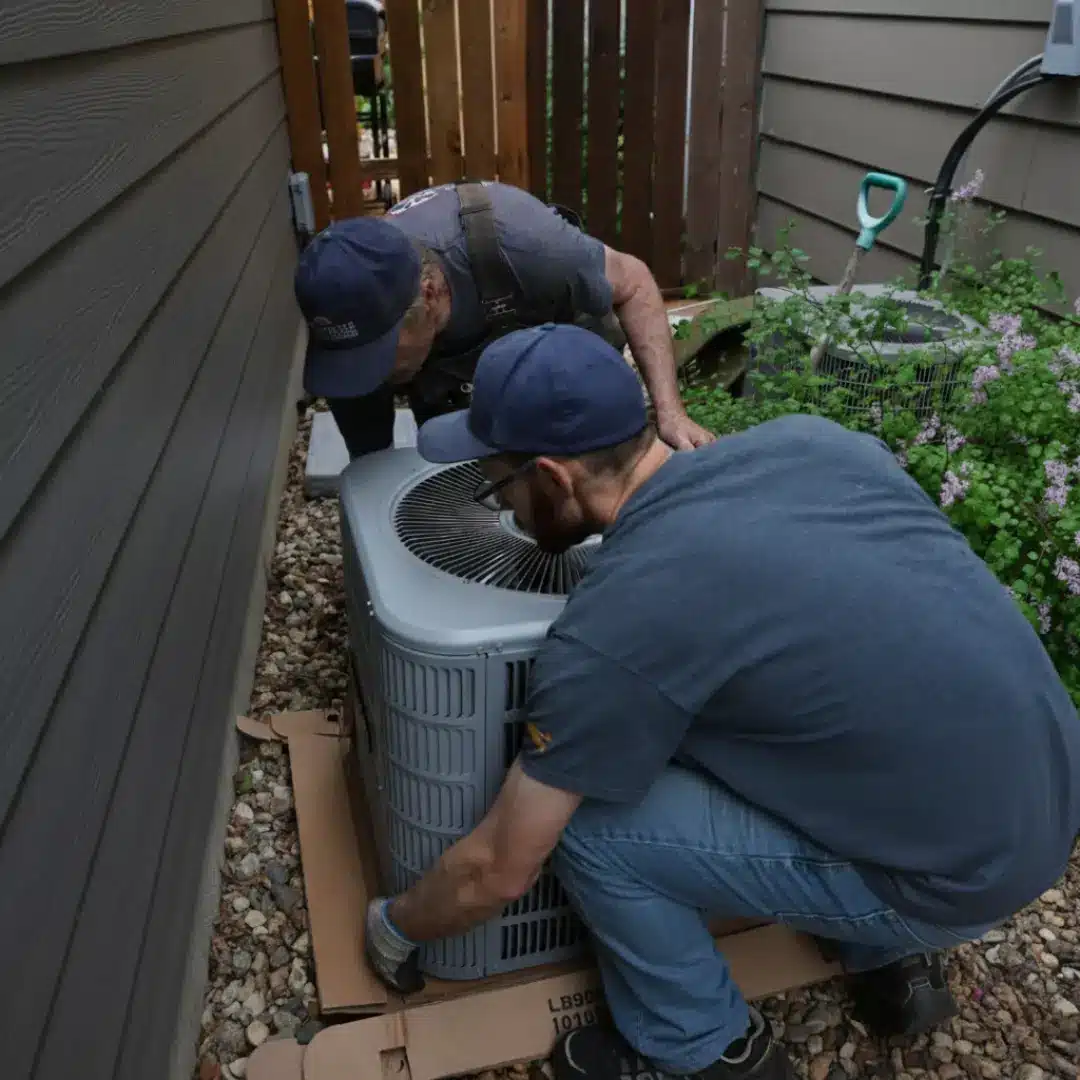
If you’re a Silverspring homeowner who has been considering central air conditioning, the process starts with a conversation and a site assessment. Request for Service through our website or call 306-230-2442 to arrange a visit from a Pro Service Mechanical technician who will evaluate your existing ductwork, electrical panel, furnace compatibility, and outdoor unit placement options. That assessment, combined with a Manual J load calculation, gives you everything you need to make a confident, informed decision about the right system for your home on Konihowski Drive, Coben Crescent, or anywhere else in the neighbourhood.
Silverspring’s strong community character and high ownership rates mean that most residents plan to stay in their homes for the long term. Central air conditioning is not just a comfort upgrade; it’s a value-adding improvement that modern Saskatoon buyers expect. Real estate professionals consistently identify central AC as a feature that supports asking prices and speeds sales in the northeast Saskatoon market. Whether you’re cooling your home for the next decade of family summers or preparing for an eventual sale, the investment pays in multiple directions.
Silverspring’s neighbouring communities are navigating the same cooling needs, and Pro Service Mechanical serves the entire northeast Saskatoon area. Homeowners in Arbor Creek, Brighton, and Willowgrove face similar construction characteristics and summer comfort challenges. Our experience across these communities means we bring practical, locally-tested knowledge to every Silverspring installation, not just textbook theory.
Frequently Asked Questions: Air Conditioning Installation in Silverspring Saskatoon
My Silverspring home was built in the early 2000s and already has a good furnace system. Does that mean AC installation will be straightforward?
A modern high-efficiency furnace and a functional duct system are genuinely positive starting points for a central AC installation. Most early-2000s Silverspring homes have the mechanical infrastructure that makes adding cooling feasible without major renovations. However, straightforward doesn’t mean automatic: the duct system still needs to be assessed for return air adequacy, the blower motor needs to be compatible with cooling airflow rates, and the electrical panel needs a dedicated circuit. A professional assessment will identify any modifications needed before installation begins, so there are no mid-project surprises. The good news is that homes of this era typically need modest adjustments rather than complete duct overhauls.
How long does a central AC installation typically take in a Silverspring home?
For a standard Silverspring single-family home where the existing duct system is in good condition and the electrical panel has available capacity, a complete central AC installation typically takes one full day. This includes mounting the outdoor condenser, installing the indoor evaporator coil above the furnace, running the refrigerant line set, completing the electrical connections, and commissioning the system with a full operational test. Homes requiring duct modifications, additional return air grilles, or panel work may require a second day or a preliminary visit from an electrician. Pro Service Mechanical will give you a realistic timeline upfront based on your specific home’s conditions.
Will a central air conditioner work well with the HRV system already installed in my home?
Yes, and in fact the combination of a properly configured HRV and a central AC system provides better year-round indoor air quality and comfort than either system alone. The HRV handles fresh air exchange, bringing in outdoor air while recovering energy from outgoing stale air. The AC system manages temperature and humidity during the cooling season. The key is ensuring the two systems are balanced so the HRV isn’t introducing excessive humidity that overloads the AC’s dehumidification capacity. A knowledgeable HVAC technician will review both systems during installation and recommend any adjustments to HRV settings for optimal summer performance.
Are there specific outdoor unit placement rules I should know about for a Silverspring lot?
Outdoor condenser placement is governed by a combination of manufacturer specifications, local building codes, and practical considerations specific to your property. Minimum clearances from walls, fences, and the ground must be maintained for adequate airflow and serviceability. In Silverspring, where many lots back onto green spaces or have open exposures to prevailing winds, placement that shields the unit from direct wind while maintaining airflow clearances is ideal. Units should be positioned on a level pad away from areas where roof snow and ice tend to fall, and away from dryer exhaust vents or other moisture sources. Your installer will identify the best location during the site assessment.
What is the best way to maintain a new AC system in Silverspring’s climate over the long term?
Annual professional maintenance is the single most important thing you can do to protect your investment and maintain efficiency. The best time to service your air conditioner is in late spring, before the first hot stretch of the season, when a technician can clean the coils, check refrigerant charge, test electrical connections, and verify system performance. Between professional visits, homeowners should replace air filters regularly (every one to three months depending on filter type and household conditions), keep the outdoor condenser clear of grass clippings and debris, and ensure the area around the unit remains clear through the summer. Pro Service Mechanical offers maintenance plans that keep your system on a consistent schedule, making it easy to stay on top of seasonal care without having to remember to book each year.