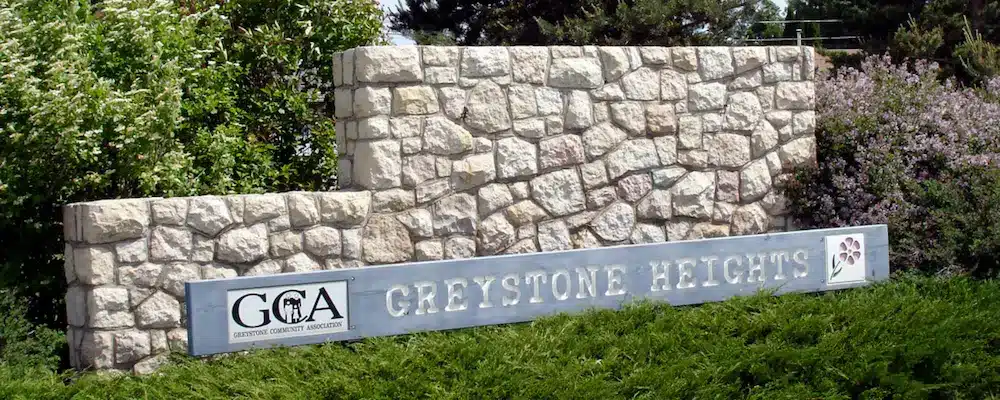
Greystone Heights sits in one of Saskatoon’s most strategically placed residential areas, nestled near the University of Saskatchewan, 8th Street, and Circle Drive. With roughly 2,700 residents spread across nearly 99 hectares, this mature neighbourhood offers tree-lined blocks, well-maintained parks like Greystone Park, Morton Park, and Holland Park, and a genuine sense of community that comes from decades of established families putting down roots. The skating rink and tobogganing hill near Greystone Heights School on Main Street are fixtures of neighbourhood life, and the walkability score of 82 out of 100 reflects just how connected this area is to the rest of the city.
What draws families and long-term homeowners to Greystone Heights also presents a real challenge when summer arrives: the vast majority of homes here were built between 1961 and 1980, during an era when Saskatchewan builders simply did not design residential construction with central air conditioning in mind. Those warm July and August days that push well past 30°C can make older homes unbearably uncomfortable, and many residents are now recognizing that a properly installed air conditioning system is not a luxury but a practical necessity. Pro Service Mechanical has helped Saskatoon homeowners solve exactly this problem, and Greystone Heights is a neighbourhood we know well.
Built for Cold Winters, Caught Off Guard by Saskatchewan Summers

The homes of Greystone Heights were engineered for one primary purpose: surviving Saskatchewan’s brutal winters. With heating degree days exceeding 4,500 annually and temperatures regularly plunging below -30°C, the builders of the 1960s and 1970s focused almost entirely on insulation, furnace capacity, and heat retention. Air conditioning was an afterthought at best, and in most cases it was simply not part of the plan. That means the 63 percent of Greystone Heights homes built between 1961 and 1980 are now facing summer heat without the infrastructure to handle it gracefully.
Original wall insulation in these homes typically ran R-11, with ceilings at R-19 or so before any retrofits. While those values were adequate by the standards of the era, they create a significant problem in summer: heat gets trapped inside just as readily as cold air leaks out in winter. Without a proper air conditioning system moving and cooling the air, the upper floors and south-facing rooms of a 1960s Greystone Heights bungalow can become stifling within hours on a hot day. Families with young children or elderly relatives feel this acutely.
The neighbourhood’s proximity to the open corridors of Circle Drive on the east side also means that wind-driven heat in summer can be a factor, particularly for homes on exposed lots. Prairie summers are not gentle, and the intensity of direct sunlight on low-pitched bungalow rooflines accelerates indoor temperature rise. This is a neighbourhood where AC adoption has been growing steadily as more homeowners recognize that their furnace-only setups simply cannot provide year-round comfort on their own.
It is worth noting that approximately 20 percent of Greystone Heights homes were built before 1960, representing an even older tier of construction where modernization needs are most acute. These properties often have the most outdated mechanical systems, the least efficient envelopes, and the greatest opportunity for improvement through thoughtfully installed AC installation services. Upgrading these homes not only improves comfort but also increases property value in a neighbourhood where owner-occupancy sits at a healthy 63 percent.
What Installing Central AC Actually Involves in a 1960s Greystone Heights Home
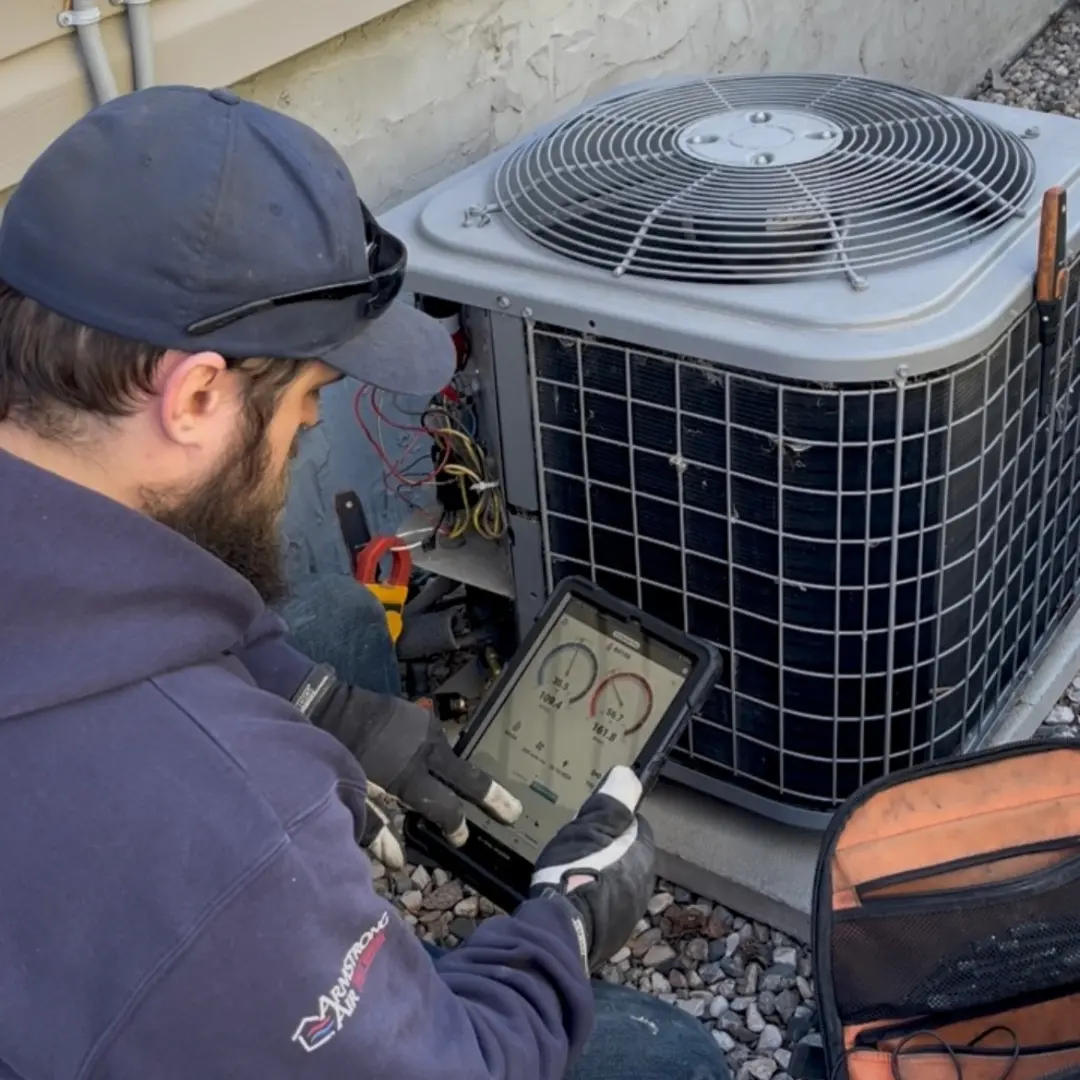
Installing central air conditioning in a home built in 1961 or 1975 is a fundamentally different job than installing it in a newer property. The ductwork in Greystone Heights homes was designed specifically to distribute heat from a gas furnace, not to circulate cooled air throughout a home efficiently. Heat rises naturally and needs only modest duct velocity to spread through a house; cooling requires more balanced airflow, better return air pathways, and sometimes larger or repositioned vents to prevent hot spots in upper rooms or corners.
Many Greystone Heights bungalows have partial basements or crawlspaces, and the utility rooms where furnaces sit were sized for the equipment of the era, not for modern HVAC systems with integrated cooling coils. A technician assessing one of these homes needs to evaluate whether the existing duct trunk lines can handle the additional static pressure of a central AC system, whether the plenum above the furnace has room for an evaporator coil, and whether the existing return air grilles are sized appropriately. These are not small considerations, and they require real local experience to get right.
Electrical service is another common challenge. Homes built in the 1960s and 1970s were typically wired with 100-amp panels, and many have not been upgraded since. A central air conditioner requires a dedicated 240-volt circuit, and if the existing panel is already loaded with modern appliances, dryer circuits, and electric ranges, there may not be capacity to spare without an electrical upgrade. A qualified installation team identifies this during the initial assessment and coordinates with electricians as needed, so homeowners are not surprised mid-project.
Greystone Heights lots also vary in layout, and the placement of the outdoor condenser unit requires careful consideration. Compact residential blocks, mature trees, fencing, and side yard setbacks all influence where a condenser can be positioned for optimal airflow, minimal noise impact on neighbours, and easy future serviceability. In some cases, a condenser needs to be located at the rear of the property, requiring refrigerant line routing through or along the home’s exterior, which adds complexity but is entirely manageable with experienced installers.
Finally, the multi-unit apartment buildings that make up 35 percent of Greystone Heights dwelling units present their own set of considerations. Shared basements, strata-style coordination requirements, and mechanical rooms serving multiple units all add layers of planning that a professional team must navigate carefully. Whether the property is a single-family bungalow on a street near Milne Drive or a multi-family building closer to Albert Avenue, the installation approach has to be tailored to the specific structure and its existing mechanical infrastructure.
The Difference Between a Rushed Install and a Right Install
In a neighbourhood of mature homes like Greystone Heights, the difference between a properly engineered AC installation and a quick-and-cheap job becomes apparent within the first summer. An undersized unit will run constantly without ever bringing the house to a comfortable temperature. An oversized unit will short-cycle, turning on and off rapidly without properly dehumidifying the air, leaving rooms feeling clammy even when the thermostat reads a reasonable number. Neither outcome is acceptable, and both are avoidable with a load calculation done correctly before any equipment is ordered.
Pro Service Mechanical performs a full Manual J load calculation on every installation, accounting for the home’s square footage, insulation values, window orientation, ceiling heights, and occupancy patterns before recommending a system size. This is the foundation of every successful installation we complete in Greystone Heights and across Saskatoon. Paired with proper duct assessment and refrigerant line sizing, this approach ensures the system you invest in actually performs the way you expect it to, summer after summer. You can also learn about the best time to service your system to keep it running efficiently through the season.
A Greystone Heights Family’s Summer Turnaround
One homeowner on the 2500 block of Main Street contacted Pro Service Mechanical after two consecutive summers of struggling with window units that could not keep up with the heat in their 1968 bungalow. The home had a functional forced-air furnace with ductwork that ran through the basement ceiling, but the return air system had only one central grille and the supply registers were small, original-era fittings. The family had three children and both parents working from home part-time, and the upper bedrooms were routinely hitting uncomfortable temperatures by early afternoon on hot days.
Our team completed a full duct assessment, added two supplementary return air pathways, resized several supply registers, and installed a properly matched central AC system with a new evaporator coil above the furnace. “We genuinely could not believe the difference,” said the homeowner, a resident of Greystone Heights for over a decade. “The whole house felt cooled evenly for the first time. Even the back bedroom, which was always the worst, was comfortable by bedtime.” The project also included a review of their heating systems to confirm everything would work in harmony going into the fall.
Why Greystone Heights Homeowners Choose Pro Service Mechanical
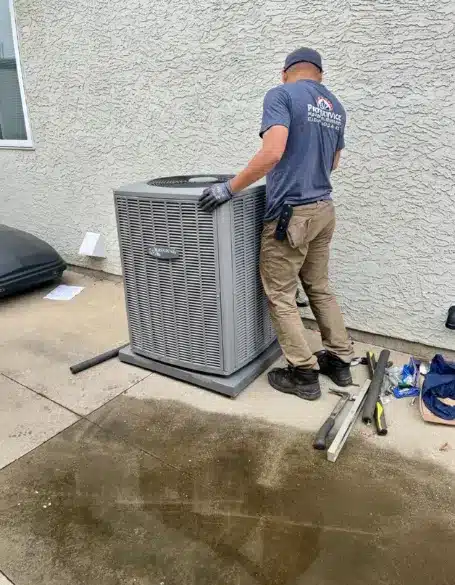
Pro Service Mechanical is a Saskatoon-based company, and that means we are not dispatching technicians from out of town or working from generic playbooks built for a different climate. We understand the specific demands that Saskatoon’s Zone 7A climate places on residential HVAC systems, and we understand the construction characteristics of the neighbourhoods we serve. Greystone Heights is not new territory for us, and the homes here are not a mystery. We have worked in bungalows along these streets, assessed basements and crawlspaces, and navigated the duct configurations that 1960s and 1970s builders left behind.
Transparency in pricing is something we take seriously. Before any work begins, you receive a clear written estimate that covers equipment, labour, any duct modifications required, and the electrical work if needed. There are no surprise line items when the invoice arrives. Homeowners in Greystone Heights have enough on their plate without worrying that a mechanical contractor is going to add charges after the fact, and our pricing model is built around building long-term relationships with clients, not extracting maximum revenue from a single visit.
Our team is also available when things go wrong unexpectedly. Saskatchewan summers can send temperatures soaring within days, and a failing AC system in late July is not something that can wait a week for a service call. Our emergency AC repair service is available for exactly those moments, ensuring that a breakdown does not turn into days of misery for your household. We respond quickly and arrive with the diagnostic tools and common parts needed to address most failures on the first visit.
Every installation we complete in Greystone Heights is backed by ongoing support. We provide maintenance guidance, filter change schedules, and follow-up service to keep systems running efficiently. Our clients can reach us at 306-230-2442 for any questions about their equipment, and we are always happy to walk a homeowner through what they are seeing or hearing from their system before deciding whether a service call is needed. That kind of accessible, personal support is part of what makes working with a local company different from dealing with a national chain.
Year-Round Comfort and Real Energy Savings for Mature Saskatoon Homes
A well-installed central AC system does more than cool your home in summer. In a Greystone Heights home with an existing forced-air furnace, the addition of a central air conditioner integrates directly into the system you already rely on, using the same ductwork and air handler to circulate conditioned air throughout the house. This means you are not adding a separate, redundant system but rather completing the mechanical picture that your furnace alone cannot provide. The result is a home that is genuinely comfortable in every season.
Air quality is another benefit that homeowners sometimes overlook when evaluating AC. Central air conditioning systems filter the air as it circulates, removing dust, pollen, pet dander, and other particulates on every pass through the system. For Greystone Heights residents who deal with Saskatoon’s high pollen counts in spring and the dry, dusty conditions of late summer, this is a meaningful quality-of-life improvement. Paired with a good filtration setup, a central AC system can make a real difference for household members with allergies or respiratory sensitivities.
Energy efficiency is a legitimate concern for owners of older homes, where high utility bills are already a frustration. Modern high-efficiency air conditioners carry SEER ratings well above the minimum standard, meaning they deliver more cooling output per unit of electricity consumed compared to older or budget equipment. In a home with R-11 walls that is already paying $200 to $300 monthly for winter gas, keeping summer electricity costs reasonable matters. We help Greystone Heights homeowners select equipment that balances upfront cost with long-term operating efficiency, and we can speak to the expected payback period based on your home’s specific characteristics.
Dehumidification is one more factor worth understanding for prairie climate homes. Saskatchewan summers, while not as humid as eastern Canada, can see stretches of elevated humidity that make heat feel worse than the thermometer suggests. Central air conditioning removes moisture from the air as part of the cooling process, and a properly sized system does this effectively without the clammy feeling that an oversized unit creates when it short-cycles. The combination of lower temperature and lower humidity is what makes a centrally cooled home feel genuinely comfortable rather than just slightly less hot.
Getting Started: AC for Your Home Near 8th Street and Circle Drive
If you own a home in Greystone Heights and you have been managing summers with window units, fans, or simply endurance, this is the year to change that. The process starts with a no-pressure assessment where our team visits the home, reviews the existing mechanical setup, evaluates the ductwork, and gives you a clear picture of what a central AC installation would involve and cost. There is no obligation, and the information you receive is genuinely useful regardless of what you decide. To get that process started, use our Request for Service form online or call us directly at 306-230-2442.
Greystone Heights homeowners benefit from the same attentive service we provide across central Saskatoon. If you have neighbours in adjacent areas who are asking similar questions, Pro Service Mechanical also serves the surrounding communities well. Residents of Grosvenor Park to the south will find many of the same mid-century home considerations apply, while homeowners in Haultain and College Park are also navigating the realities of older construction in Saskatoon’s demanding climate. We bring the same local knowledge and consistent standards to every neighbourhood we serve.
The investment in central air conditioning pays dividends beyond comfort. A properly installed, well-maintained AC system adds tangible value to a Greystone Heights home, particularly in a neighbourhood where 63 percent of residents own their properties and take pride in maintaining them. Whether your home is a 1968 bungalow near Greystone Park, a split-level on the 500 block, or a two-unit property near Albert Avenue, our team has the experience to deliver a cooling solution that fits the home, fits the budget, and holds up through Saskatoon’s long summers for years to come.
Frequently Asked Questions About AC Installation in Greystone Heights
My home was built in the late 1960s and has never had central AC. Where does the process even begin?
The starting point is an in-home assessment where a technician evaluates your existing forced-air furnace, ductwork configuration, electrical panel capacity, and the physical layout of your home. Most 1960s Greystone Heights bungalows have functional duct systems that can be adapted for central AC, though they often need modifications to return air pathways to ensure even cooling. From that assessment, you receive a clear recommendation and written estimate before any commitment is required. The process is straightforward, and many homeowners are surprised by how manageable the installation is even in an older home. Reaching out through our Request for Service form is the easiest way to get started.
Will my original ductwork from the 1970s handle central air conditioning, or does it all need to be replaced?
Original ductwork from the 1961 to 1980 era does not automatically need full replacement, but it almost always needs to be assessed and often modified. The main trunk lines in a 1970s Greystone Heights home are typically functional, but the supply register sizes, return air grille placement, and overall airflow balance were designed for heating only. A competent installation team evaluates each system individually and makes targeted modifications rather than recommending wholesale replacement when it is not necessary. In some cases, adding a return air pathway or resizing a few registers is all that is needed to make the existing duct system work effectively with central AC. We explain every recommendation clearly before any work begins.
How do I know what size of air conditioner is right for my Greystone Heights home?
Sizing is determined by a Manual J load calculation, which accounts for your home’s square footage, ceiling heights, window area and orientation, insulation levels, and how many people live in the home. In a neighbourhood where homes range from compact pre-1960 bungalows to larger 1970s split-levels, the right size varies significantly from one property to the next. An oversized unit will short-cycle and leave your home feeling humid even at a reasonable temperature; an undersized unit will run constantly without reaching your comfort target. Getting the size right is the single most important factor in system performance, and it is something we calculate carefully on every job. Our AC installation services always include proper load calculation as a non-negotiable first step.
What happens if my AC breaks down in the middle of a July heat wave? How quickly can I get service?
A mid-summer breakdown is genuinely urgent, especially in an older home that heats up quickly without mechanical cooling. Pro Service Mechanical offers emergency AC repair service for exactly these situations, and we prioritize getting to you quickly rather than adding you to a multi-day queue. Our technicians arrive with the diagnostic equipment and common replacement parts needed to address most failures on the first visit, which means you are not waiting through multiple trips for parts to be ordered. Calling 306-230-2442 directly is the fastest way to reach us when you need urgent help. We understand that a broken AC in Saskatoon’s summer is not a minor inconvenience.
Should I think about my furnace and AC together, or are they completely separate decisions?
In a Greystone Heights home with forced-air heating, your furnace and central AC share the same duct system and air handler, so they are very much connected systems. If your furnace is aging, installing AC at the same time as a furnace replacement is often the most cost-effective approach because the equipment can be matched and the labour for duct work is consolidated into one project. Even if your furnace is in good shape, the AC installation process includes a review of how your heating systems interact with the new cooling equipment to confirm everything works in harmony. We can also help you think about the best time to service both systems on an annual basis to extend their lifespan and maintain peak efficiency.