
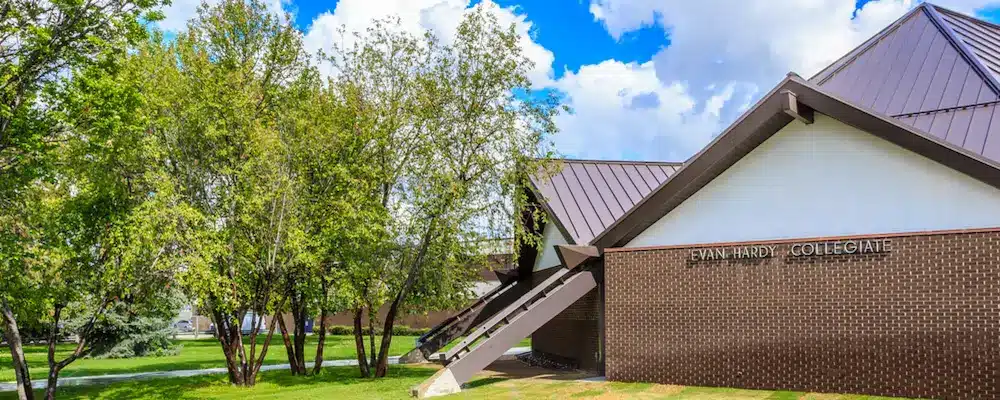
College Park is one of Saskatoon’s most established east-side neighbourhoods, a community where tree-lined streets carry names like Dalhousie Crescent, Carleton Drive, and Acadia Place, each one a quiet nod to the Canadian universities that inspired them. Developed primarily during the 1960s and 1970s, College Park grew into a stable, family-oriented community close to the University of Saskatchewan, and today it remains a neighbourhood where long-time owners and younger families share blocks of mature elms and well-kept bungalows. With over 2,000 dwellings and a strong ownership culture, this is a community where homeowners invest in their properties, and where comfort systems like central air conditioning are becoming an essential part of that investment.
Summer in College Park can push temperatures well past 30°C, and the older homes here were simply not designed with mechanical cooling in mind. Furnaces, insulation rated for prairie winters, and floor plans that made sense in 1968 leave many residents sweltering through July and August. Pro Service Mechanical has helped dozens of College Park households move from window units and box fans to properly engineered central air conditioning, and this page explains exactly what that process looks like for homes in this part of Saskatoon.
Cooling Homes Built in the 1960s and 70s: What College Park Owners Need to Know
The dominant construction era in College Park spans roughly 1961 to 1980, a period when Saskatchewan building codes prioritized heating capacity and winter insulation above everything else. Homes built during these decades were engineered to trap heat, not exhaust it. Wall insulation values were modest by modern standards, attic ventilation was often minimal, and the south- and west-facing rooms that absorb the most afternoon sun have very little thermal resistance between the interior and the outdoors. When Saskatoon’s summer highs climb into the upper 20s and low 30s, those rooms can become genuinely uncomfortable.
Single-family detached homes make up the majority of College Park’s residential landscape, with roughly 52 percent of the neighbourhood’s approximately 2,094 dwellings falling into that category. These are typically one- or one-and-a-half-storey bungalows and split-levels with basements, the kind of construction that actually lends itself well to central air conditioning once a qualified technician assesses the existing ductwork and electrical service. The challenge is not whether these homes can support central AC; it is making sure the installation is done correctly so the system performs the way it should for the next 15 to 20 years.
College Park also has a meaningful proportion of multi-unit and two-unit dwellings, many of which house university-area renters alongside owner-occupants. For those landlords managing semi-detached or low-rise properties near Harrington Street and the surrounding blocks, the case for central air conditioning goes beyond personal comfort. In a rental market where tenants increasingly expect cooling, an installed system can meaningfully affect vacancy rates and the quality of applicants. AC installation services designed for multi-unit properties require careful planning around shared electrical panels and duct routing, and that planning is exactly what differentiates a professional installation from a rushed job.
The green spaces throughout College Park and College Park East, including Dr. Gerhard Herzberg Park and Sidney L. Buckwold Park, contribute to a greener, more humid microclimate during the summer months than you might find in newer, less-treed parts of the city. Mature tree canopy is wonderful for shade, but it also means that evening temperatures drop more slowly and that morning humidity can linger. A correctly sized central air conditioner does more than lower temperature; it also manages humidity, which makes a measurable difference in perceived comfort on those close, still summer nights.
What Makes Installing AC in a 1960s College Park Home More Complex Than It Looks
The most common question homeowners on streets like Dalhousie Crescent or Acadia Place ask is whether their existing furnace ductwork can carry cool air as well as heated air. The honest answer is: sometimes yes, sometimes with modifications, and occasionally a supplemental solution is needed. Ductwork installed in the 1960s and 1970s was sized and routed for heating alone. Air flows differently when it is being cooled, and undersized or leaking ducts can cause uneven temperatures, short-cycling, and energy waste. A thorough duct assessment is the essential first step in any College Park installation.
Electrical service is another common constraint in homes of this era. A central air conditioner requires a dedicated 240-volt circuit, and many College Park homes were originally wired with 100-amp service panels that are already carrying substantial loads from modern appliances, electric ranges, and updated lighting. Before any equipment is ordered or quoted, a professional installer needs to evaluate whether the existing panel can accommodate the new circuit or whether a service upgrade is required. Skipping this step creates real safety risks and is one of the reasons permit-pulled, inspected installations matter so much.
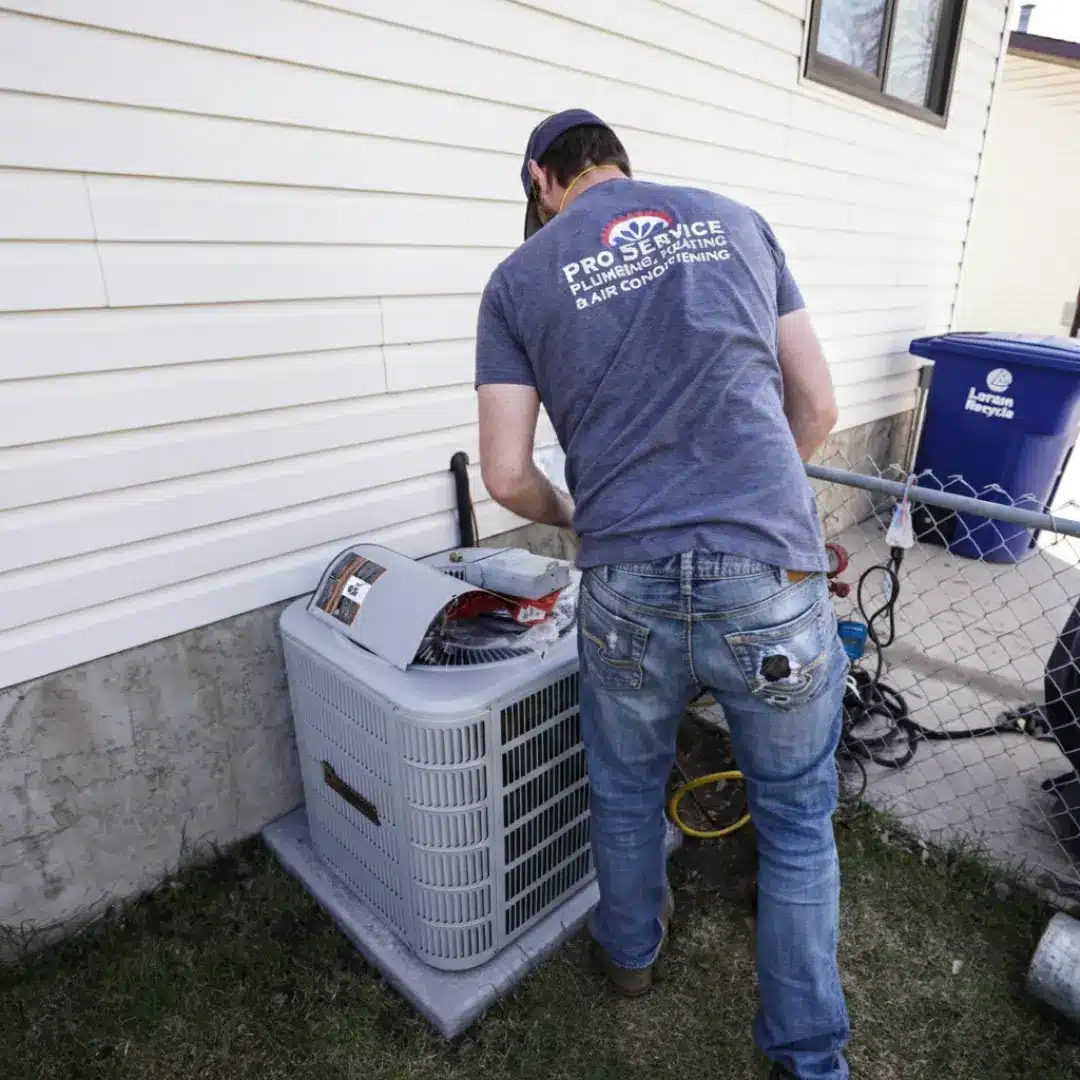
Physical access and lot configuration also play a role in College Park. Many of the neighbourhood’s single-family homes have attached or detached single-car garages, narrow side yards, and well-established landscaping, all of which affect where an outdoor condenser unit can be positioned. Condenser placement needs to account for clearance from structures, adequate airflow, noise considerations relative to neighbouring properties, and protection from direct afternoon sun where possible. On tighter lots along some of the crescent-shaped streets, this requires creative but code-compliant solutions rather than simply placing the unit wherever is most convenient.
Homes in the 1961-1980 build window sometimes have older refrigerant lines or partial cooling infrastructure left over from a previous window-unit era. These components typically cannot be reused and need to be properly decommissioned and replaced as part of a new installation. Attempting to patch old lines into a new system is a false economy; the refrigerant charge will be incorrect, the efficiency ratings will not be met, and warranty coverage from the manufacturer may be voided. A proper installation starts clean, with new copper refrigerant lines run correctly between the indoor coil and the outdoor condenser.
Finally, College Park’s mix of occupied family homes and student rental units means that scheduling and access coordination can be more complex than in purely owner-occupied neighbourhoods. Pro Service Mechanical works with both homeowners and landlords to plan installations that minimize disruption, respect tenant schedules, and meet all City of Saskatoon permit requirements. Every installation includes a post-completion walkthrough so that whoever occupies the home understands how to operate and maintain the new system correctly.
The Difference a Professional AC Installation Makes Over the Long Run
There is a meaningful gap between a central air conditioner that is installed and one that is installed correctly. In College Park’s older homes, that gap often shows up in the first summer: uneven cooling between floors, a system that runs constantly but never quite reaches the set temperature, or utility bills that are higher than expected. These problems almost always trace back to installation decisions, not equipment quality. Correct refrigerant charge, properly sealed duct connections, accurate airflow balancing, and a correctly sized unit are the variables that determine whether a system performs the way the manufacturer’s specifications promise. AC installation services from a licensed, experienced team address all of these variables as a matter of standard practice, not optional upgrades.
Choosing professional installation also means your system is backed by manufacturer warranty coverage that requires certified installation as a condition. It means the work is permitted and inspected by the City of Saskatoon, which protects you at resale and ensures the installation meets current safety codes. And it means you have a local company that knows your neighbourhood and your home’s systems if anything ever needs attention down the road.
A College Park Family Gets Through Their First Real Saskatoon Summer in Comfort
Last summer, a family on Carleton Drive contacted Pro Service Mechanical after their third consecutive July of portable units and sleepless nights upstairs. Their home was a well-kept 1,200-square-foot bungalow with a finished basement, original ductwork in reasonable condition, and a natural gas furnace that was only five years old. The duct assessment confirmed that the existing system could handle a central air conditioner with minor modifications to the trunk line and two new supply registers in the upper-floor bedrooms. A properly sized 2.5-ton unit was installed over two days, the electrical panel was verified to have adequate capacity, and the family had central air conditioning before the August long weekend.
“We kept putting it off thinking it would be a bigger disruption than it was,” said the homeowner, T. Andreychuk. “The crew was clean, explained everything as they went, and the system has been running perfectly. We didn’t realize how much the upstairs was cooking until it suddenly wasn’t.” Stories like this one are typical across College Park, where the homes are fundamentally sound and well-suited to central air once a qualified team does the groundwork correctly.
Why College Park Homeowners Choose Pro Service Mechanical
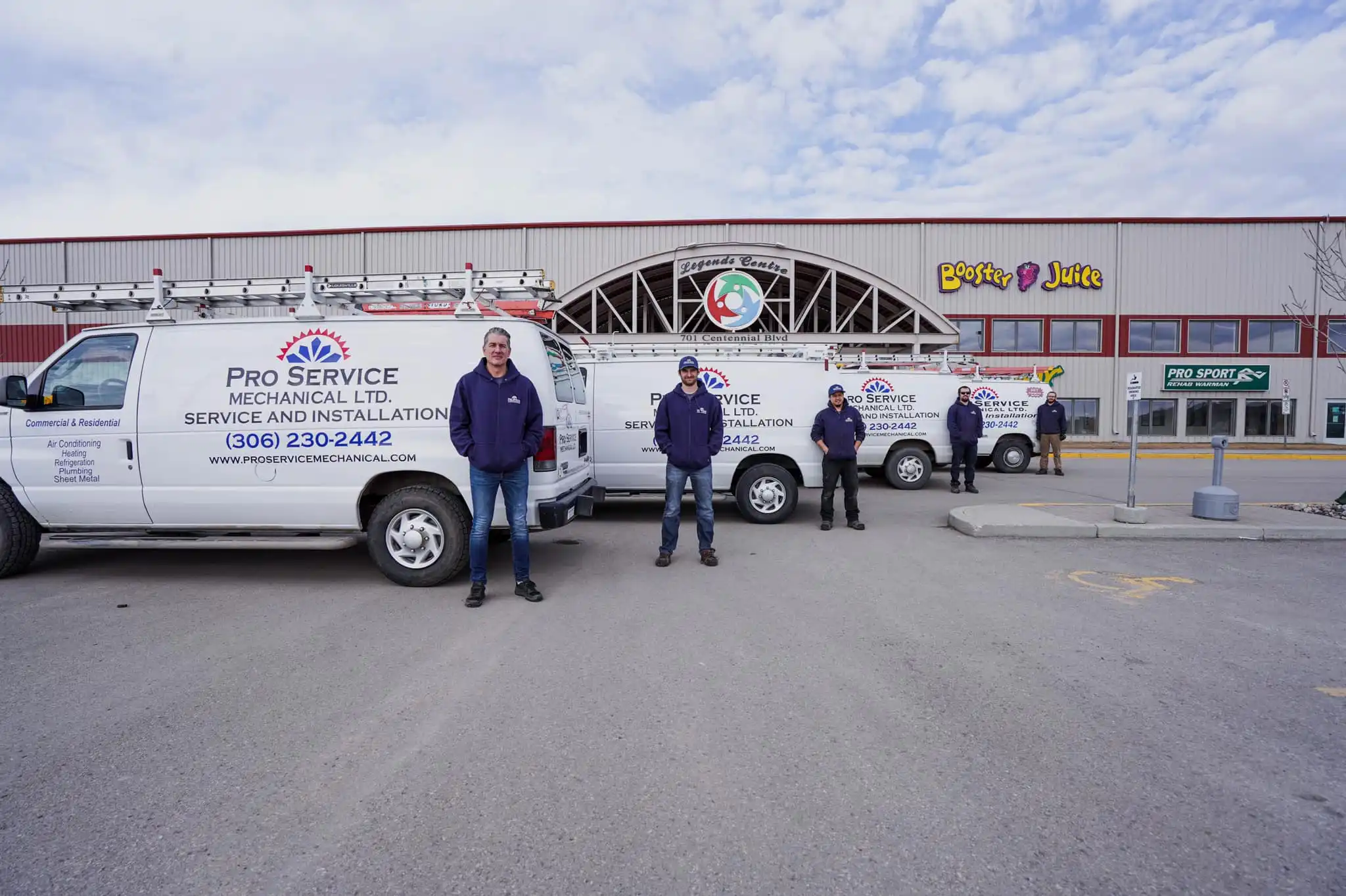
Pro Service Mechanical is a Saskatoon-based HVAC company with deep experience in the city’s mature east-side neighbourhoods. College Park’s older homes are not unfamiliar territory for our technicians; they have worked through the ductwork puzzles, electrical panel realities, and lot-access challenges that come with 1960s and 1970s construction many times over. That neighbourhood-specific experience means fewer surprises during your installation and more confidence that the finished product will perform the way it should.
We provide transparent, detailed quotes before any work begins. There are no hidden fees added after the fact, and we take the time to explain what is included and why. If a duct modification or electrical upgrade is needed, we tell you upfront and explain the reasoning rather than discovering it mid-installation. College Park homeowners dealing with the cost realities of a middle-income neighbourhood appreciate that straightforward approach, and it is simply how we prefer to do business.
Our team is available at 306-230-2442 for questions at any stage of the process, from initial inquiry through post-installation follow-up. We know that for most homeowners, central air conditioning is a significant investment, and we treat it that way. Every installation is followed by a complete system test, a walkthrough with the homeowner or occupant, and documentation of the work completed for your records and future service needs.
Beyond installation, Pro Service Mechanical is the company College Park residents call when something unexpected happens. Whether that is an emergency AC repair on a 33-degree Friday afternoon or a question about whether an older system is worth maintaining versus replacing, we are reachable and responsive. Building a long-term relationship with a single trusted HVAC company means your technician already knows your home when they arrive, and that saves time and money on every visit.
Year-Round Comfort and Energy Efficiency for College Park Properties
Central air conditioning does not operate in isolation from your home’s other systems. In College Park’s 1960s and 1970s homes, the cooling system shares ductwork with the furnace, and the performance of one directly affects the other. A well-installed air conditioner will draw attention to duct leaks, insulation gaps, and airflow imbalances that may have been tolerable in heating mode but become obvious in cooling mode. Addressing those issues as part of an installation project improves the efficiency of your heating systems as well, delivering year-round benefits from a single project.
Modern central air conditioners are substantially more energy-efficient than the equipment available even a decade ago, and they are dramatically more efficient than the portable and window units many College Park homes rely on today. A properly sized central system with a SEER2 rating appropriate for Saskatchewan’s climate will cool a typical College Park bungalow for less energy cost per hour than multiple window units running simultaneously, while doing a significantly better job of maintaining consistent temperature and humidity throughout the home.
Indoor air quality is another benefit that often surprises homeowners making the switch to central air. The air handler and evaporator coil work together with your furnace filter to circulate and clean air as part of the cooling process. Homes near College Park’s green spaces and parks can see meaningful improvements in dust and pollen levels when a central system with a quality filter is running. For families with allergies or respiratory sensitivities, that air quality improvement is often as welcome as the temperature reduction. Knowing the best time to service your air conditioner each year keeps those filtration and efficiency benefits working at their peak throughout the cooling season.
Regular maintenance extends equipment life and protects your investment. An annual spring service call to clean the coil, check refrigerant charge, verify electrical connections, and test system performance can add years to the operational life of your equipment and catch small issues before they become expensive failures. Pro Service Mechanical offers maintenance agreements that make it easy to stay on schedule, and our technicians are familiar enough with College Park’s common equipment configurations to make those visits efficient and thorough.
Ready to Add Central Air Conditioning to Your College Park Home?
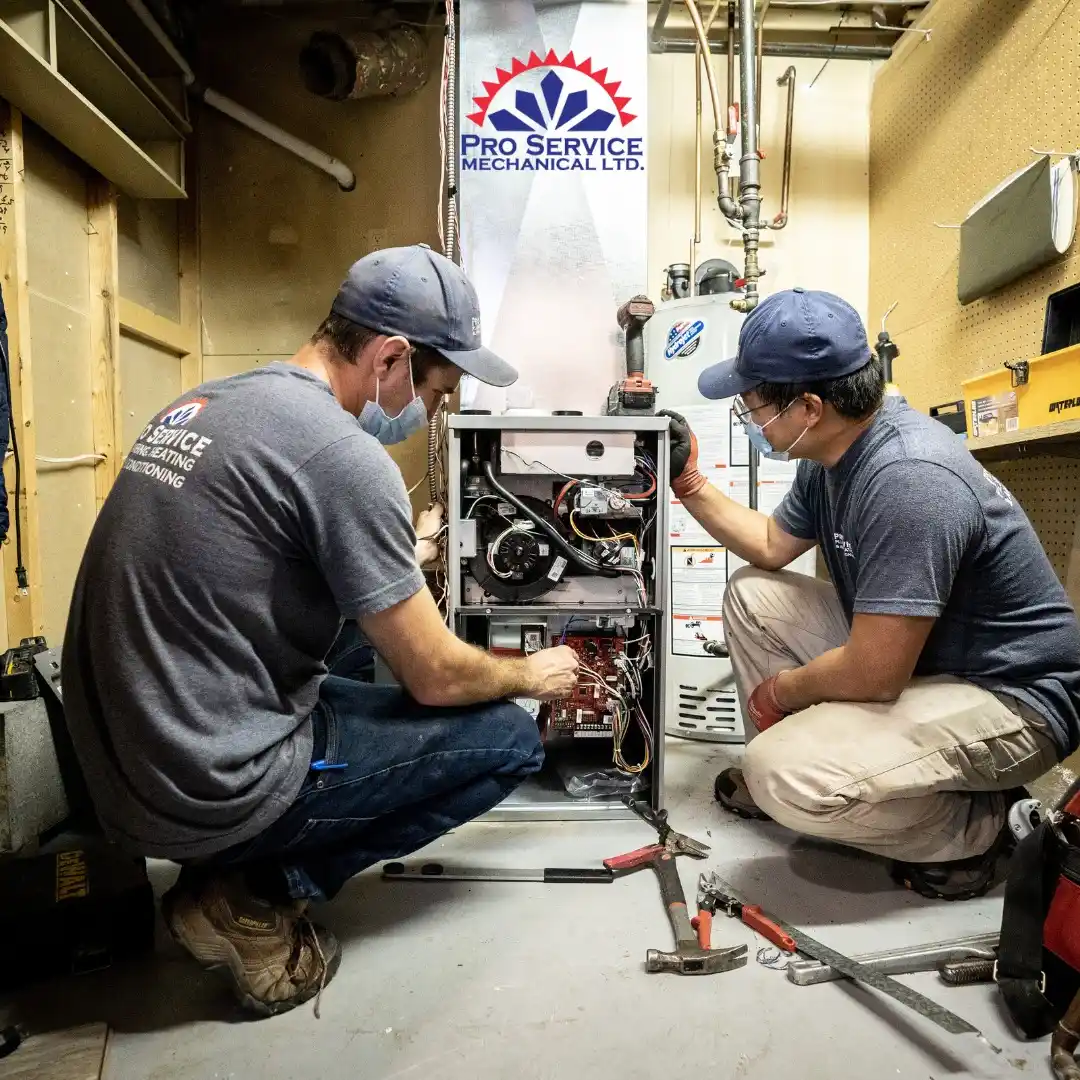
If you live on Acadia Crescent, Mount Allison Court, Anderson Crescent, or any of the other streets that make College Park one of Saskatoon’s most recognizable east-side communities, central air conditioning is a practical, achievable upgrade for your home. The construction era of most College Park homes means the bones are there; the ductwork exists, the furnace is already doing half the job, and the basement mechanical rooms have the space for an air handler or coil installation. What it takes is a qualified team that knows how to work with these homes rather than around them.
College Park sits alongside several other mature Saskatoon neighbourhoods where Pro Service Mechanical has completed installations. Homeowners in Grosvenor Park and Greystone Heights face many of the same construction-era challenges, and residents of Haultain to the west share the city’s same prairie climate demands. Our experience across all of these established neighbourhoods means we bring proven solutions rather than starting from scratch each time.
To get started, call us at 306-230-2442 or submit a Request for Service through our website. We will arrange a no-obligation site assessment, review your existing mechanical systems, and provide a clear, itemized quote for a central air conditioning installation designed specifically for your College Park home. This summer does not have to be another season of box fans and restless nights.
Frequently Asked Questions About AC Installation in College Park
My College Park home was built in the early 1970s. Is central air conditioning a realistic option without major renovations?
In most cases, yes. The majority of College Park’s 1970s single-family homes were built with forced-air furnace systems, which means ductwork is already present throughout the house. That ductwork can often serve as the distribution network for central air conditioning with modest modifications. A technician will assess duct sizing, condition, and routing to determine what, if any, adjustments are needed. The process is far less disruptive than most homeowners expect, and in straightforward cases an installation can be completed in one to two days.
How do I know what size air conditioner is right for my College Park home?
Proper sizing requires a load calculation that accounts for your home’s square footage, insulation levels, window orientation, ceiling height, and shading from the mature trees common in College Park. An oversized unit will short-cycle, meaning it turns on and off too frequently, which wastes energy and leaves humidity levels higher than they should be. An undersized unit will run continuously without reaching the set temperature. Pro Service Mechanical performs thorough load calculations as part of every installation assessment to ensure the recommended equipment is correctly matched to your home.
What should I expect to pay for central AC installation in a typical College Park bungalow?
Installation costs vary depending on the condition of existing ductwork, whether electrical panel work is required, the efficiency rating of the equipment selected, and any specific challenges presented by the property. For a standard College Park bungalow with existing forced-air infrastructure in good condition, the total installed cost generally falls within a range that most homeowners consider reasonable relative to the long-term comfort and home value benefits. We provide detailed, transparent quotes so you know exactly what you are paying for before any work begins. Submitting a Request for Service is the best way to get an accurate number for your specific home.
Can I add central air conditioning to a rental property in College Park, and does it require permits?
Yes, central air conditioning can be installed in rental properties, including semi-detached and low-rise units common in College Park. All installations in Saskatoon require a mechanical permit, and the work must be performed by a licensed contractor to meet City of Saskatoon requirements. Permitted and inspected installations protect landlords from liability and ensure the system is safe for tenants. Pro Service Mechanical handles all permit applications as part of the installation process, so landlords do not need to navigate that process independently.
How often does a central air conditioner need to be serviced after installation?
An annual service call each spring, before the cooling season begins, is the standard recommendation for maintaining peak performance and protecting your warranty. During a service visit, a technician cleans the evaporator and condenser coils, checks refrigerant charge, inspects electrical connections, and verifies that all components are operating within specification. Understanding the best time to service your system helps you avoid the busy mid-summer rush and ensures your equipment is ready before the hottest days arrive. If a problem develops during the season, emergency AC repair service is available to get your system back online quickly.