KeyTakeaways
- A commercial HVAC maintenance checklist helps Saskatoon businesses prevent breakdowns, reduce downtime, and keep buildings comfortable through extreme seasonal weather.
- The main checklist items include inspecting the system, cleaning or replacing filters, checking thermostats and controls, testing refrigerant levels, and cleaning coils.
- Seasonal servicing matters, with cooling systems checked before summer and heating components inspected before winter.
- Preventative maintenance improves energy efficiency, extends equipment life, and lowers repair costs over time.
- Regular professional maintenance helps avoid emergency repairs and supports consistent business operations.
A reliable heating, ventilation, and air conditioning (HVAC) system is essential for every commercial property. Whether you operate an office, retail store, restaurant, warehouse, healthcare facility, or industrial building, your HVAC system directly affects employee comfort, customer satisfaction, indoor air quality, and energy efficiency. In Saskatoon’s climate, where freezing winters and warm summers place heavy demands on heating and cooling equipment, preventative maintenance is even more important.
A well-planned commercial HVAC maintenance checklist helps identify small problems before they become expensive failures. Regular inspections also extend equipment lifespan, improve efficiency, reduce operating costs, and help businesses avoid unnecessary downtime.
Unfortunately, many businesses only think about their HVAC system when it stops working. Unexpected breakdowns often lead to costly emergency repairs, operational disruptions, uncomfortable working conditions, and higher utility bills. The good news is that most of these issues can be prevented with routine maintenance.
This guide explains why preventative HVAC maintenance matters, what should be included in a maintenance checklist, and how Saskatoon businesses can keep their heating and cooling systems operating efficiently throughout the year.
Keep Your Business Running Without HVAC Interruptions. Prevent unexpected breakdowns with professional commercial HVAC maintenance. Contact our experienced technicians today to schedule a comprehensive system inspection.
Why Commercial HVAC Maintenance Matters
Commercial HVAC systems operate much harder than residential systems. Many businesses run heating and cooling equipment for extended hours every day, and some facilities operate around the clock.
Continuous operation naturally increases wear on components such as compressors, fans, belts, motors, filters, and electrical controls. Routine maintenance offers several important benefits:
- Reduces unexpected equipment failures
- Improves energy efficiency
- Extends equipment lifespan
- Lowers repair costs
- Improves indoor comfort
- Maintains healthier indoor air quality
- Supports consistent business operations
Preventative maintenance is almost always less expensive than emergency repairs or premature equipment replacement.
Start with a Complete System Inspection
Every maintenance visit should begin with a full inspection of the HVAC system. Technicians examine all major components, identify visible wear, inspect wiring, evaluate airflow, and look for signs of corrosion, vibration, leaks, or unusual operating conditions.
Early detection allows repairs to be completed before major failures occur.
Want to Learn More About HVAC Maintenance? Explore our helpful guides for expert tips on seasonal inspections, system care, energy efficiency, and keeping your HVAC system prepared for changing weather conditions.
Replace or Clean Air Filters
Air filters are one of the most overlooked components in commercial HVAC systems. Dirty filters restrict airflow, forcing equipment to work harder while increasing energy consumption.
Clogged filters may also reduce indoor air quality and shorten equipment lifespan. Depending on building usage and occupancy levels, filters should be inspected regularly and replaced when necessary.
Inspect Thermostats and Building Controls
Modern commercial buildings often rely on programmable thermostats or building automation systems.
Technicians verify that thermostats communicate correctly with HVAC equipment, maintain accurate temperatures, and follow programmed schedules.
Faulty controls may cause unnecessary heating or cooling, resulting in wasted energy.
Check Refrigerant Levels
Cooling systems depend on the correct refrigerant charge to operate efficiently. Low refrigerant may indicate leaks, reduced cooling performance, longer operating cycles, or compressor strain.
Professional technicians inspect refrigerant levels and repair leaks before recharging the system if required. Handling refrigerant should always be performed by qualified HVAC professionals.
Clean Evaporator and Condenser Coils
Heat transfer depends on clean coils. Dust, grease, pollen, and debris reduce coil efficiency, making HVAC equipment work harder while increasing operating costs. Routine cleaning improves system performance and helps maintain consistent indoor temperatures.
Inspect Belts, Bearings, and Moving Components
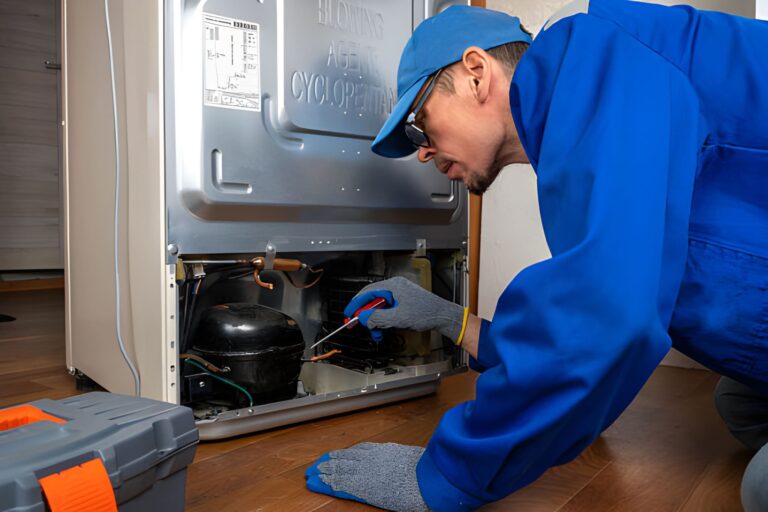
Commercial HVAC equipment contains numerous moving parts. Technicians inspect belts for wear, adjust belt tension where necessary, lubricate bearings when applicable, and check motors for unusual vibration or noise. Replacing worn components during routine maintenance helps prevent unexpected mechanical failures.
Examine Electrical Connections
Electrical components are critical to HVAC reliability.
Loose wiring, worn contactors, damaged relays, and deteriorated terminals may lead to equipment malfunctions or safety concerns.
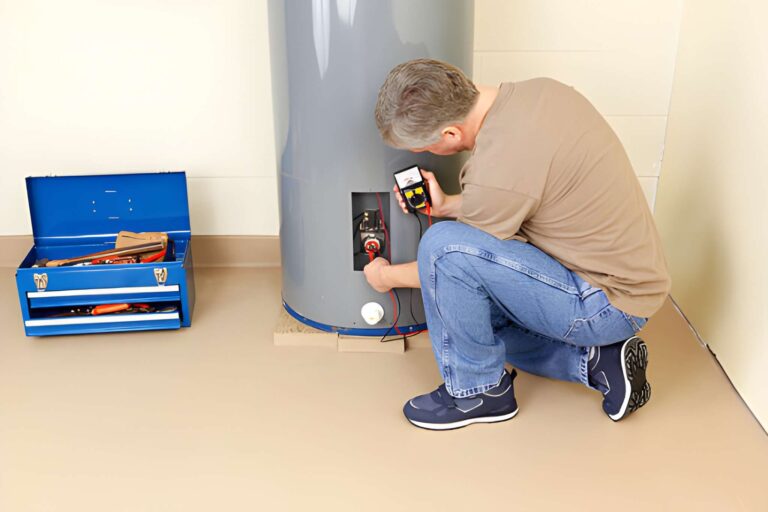
Routine inspections include tightening electrical connections, testing electrical components, and verifying proper system operation.
Businesses that work with a qualified commercial electrical contractor often benefit from coordinated inspections of both HVAC equipment and the building’s electrical infrastructure.
Inspect Drainage Systems
Commercial cooling systems generate condensation during operation. Blocked condensate drains can cause water leaks, moisture damage, mould growth, and equipment shutdowns.
Technicians clean drain lines, inspect drain pans, and verify proper water drainage during maintenance visits.
Test Airflow Throughout the Building
Balanced airflow ensures consistent comfort across all occupied spaces. Maintenance inspections include measuring airflow, checking supply and return vents, inspecting dampers, and verifying proper fan operation.
Restricted airflow may indicate blocked filters, duct leaks, failing fans, or other system problems.
Evaluate Ductwork
Commercial duct systems distribute conditioned air throughout the building. Leaks, damaged insulation, disconnected sections, or airflow restrictions reduce HVAC efficiency while increasing operating costs.
Routine inspections help identify duct problems before they significantly affect building performance.
Inspect Heating Components Before Winter
Saskatoon’s harsh winters place considerable demands on commercial heating systems. Before cold weather arrives, technicians inspect heat exchangers, burners, ignition systems, gas valves, flues, safety controls, and combustion performance.
Preparing heating equipment before winter reduces the likelihood of unexpected cold-weather breakdowns.
Prepare Your Commercial Heating System for Winter. Read more resources to learn about heating maintenance, common system issues, and ways to keep your commercial property comfortable and protected throughout the season.
Prepare Cooling Systems Before Summer
Cooling equipment should also be inspected before warmer temperatures arrive. Spring maintenance generally includes:
- Cleaning condenser coils
- Inspecting refrigerant levels
- Testing compressors
- Examining fan motors
- Checking electrical components
- Calibrating thermostats
- Testing cooling performance
Preparing equipment before peak summer demand improves reliability throughout the season.
Monitor Energy Efficiency
One of the primary goals of a commercial HVAC maintenance checklist is improving energy efficiency. Technicians evaluate operating pressures, airflow, temperature differentials, equipment run times, and overall system performance.
Small efficiency improvements often produce significant long-term savings on utility costs.
Schedule Preventative Maintenance
Waiting until equipment fails usually results in more expensive repairs. Preventative maintenance schedules vary depending on building size, equipment type, occupancy, and operating hours.
Many commercial properties benefit from inspections performed twice annually—once before summer and once before winter. Facilities with heavy equipment usage may require more frequent servicing.
When Repairs Become Necessary
Even well-maintained equipment occasionally requires repairs. Professional commercial HVAC repair services can diagnose issues involving compressors, motors, electrical controls, thermostats, refrigerant systems, ductwork, and ventilation equipment.
Prompt repairs minimise downtime while protecting business operations.
Supporting Building Electrical Systems
HVAC equipment depends heavily on reliable electrical systems. Faulty breakers, damaged wiring, failing disconnects, or overloaded electrical circuits may affect HVAC performance.
Professional electrical repair services help ensure HVAC equipment receives safe, reliable power while reducing the risk of electrical failures. Coordinated maintenance between HVAC technicians and electricians often improves overall building reliability.
Want to Learn More About HVAC, Plumbing, and Electrical Systems? Explore our latest articles for helpful guides, expert tips, and valuable insights to help you better understand maintenance, efficiency, and home comfort solutions.
Conclusion
A proactive commercial HVAC maintenance checklist is one of the most effective ways for Saskatoon businesses to reduce operating costs, improve equipment reliability, and create a comfortable environment for employees and customers. Routine maintenance helps identify minor issues before they become costly repairs, improves energy efficiency, and extends the lifespan of valuable HVAC equipment.
By scheduling seasonal inspections, replacing filters, cleaning coils, inspecting electrical components, monitoring airflow, and addressing repairs promptly, businesses can minimise downtime and maximise the return on their HVAC investment.
FAQs
Why is commercial HVAC maintenance important?
Commercial HVAC systems run for long hours and support employee comfort, indoor air quality, and energy efficiency. Regular maintenance helps catch small issues before they become costly breakdowns, reduces operating expenses, extends equipment lifespan, and minimizes downtime that can disrupt daily business operations.
How often should a commercial HVAC system be serviced?
Most commercial properties benefit from maintenance at least twice a year, typically before summer and before winter. Facilities with heavier usage or specialized equipment may need more frequent inspections. A consistent schedule helps improve reliability, efficiency, and long-term system performance.
What should be included in a commercial HVAC maintenance checklist?
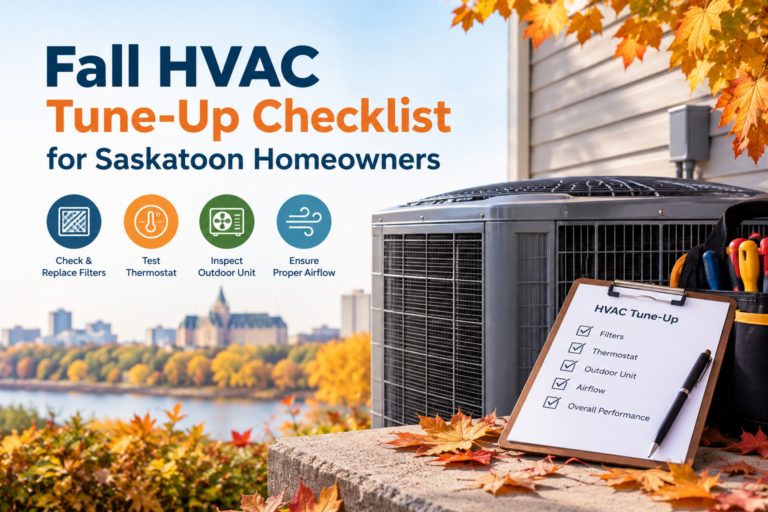
A good checklist should include a full system inspection, filter replacement, thermostat testing, refrigerant checks, coil cleaning, belt and motor inspection, electrical connection checks, drainage inspection, airflow testing, ductwork review, and seasonal heating or cooling preparation to keep the system operating efficiently.
Why do dirty filters cause problems in commercial HVAC systems?
Dirty filters restrict airflow, forcing equipment to work harder to maintain temperature. This increases energy use, reduces indoor air quality, and can shorten system life. Regular filter inspection and replacement help maintain smooth airflow and protect the system from unnecessary strain.
Why is coil cleaning important?
Evaporator and condenser coils play a major role in heat transfer. When they become dirty, the system must work harder to cool or heat the building. Cleaning the coils improves efficiency, supports consistent indoor temperatures, and reduces long-term operating costs.
How do thermostats and controls affect HVAC performance?
Thermostats and building controls determine when and how the system operates. If they are inaccurate or poorly programmed, the HVAC system may run too often or not enough. Regular testing helps ensure temperatures stay consistent and energy is not wasted.
What are signs that a commercial HVAC system needs repairs?
Common warning signs include unusual noises, reduced airflow, uneven temperatures, higher utility bills, frequent cycling, leaks, and poor comfort levels. If these issues appear, professional repair can help prevent larger failures and keep the business running smoothly.
Why should heating systems be checked before winter?
Saskatoon winters are cold and demanding, so heating equipment should be inspected before the season begins. Technicians check heat exchangers, burners, ignition systems, valves, and safety controls to reduce the risk of breakdowns when the system is needed most.
Why is airflow testing part of maintenance?
Balanced airflow ensures every part of the building receives conditioned air properly. If airflow is restricted, some areas may feel too hot or too cold, and the system may work harder than necessary. Testing helps identify duct issues, fan problems, or blocked vents.
How does maintenance reduce operating costs?
Preventive maintenance improves energy efficiency, reduces breakdowns, and helps equipment last longer. By catching worn parts, leaks, and control issues early, businesses can avoid emergency repair bills and lower monthly utility costs over time.
Why do commercial HVAC systems need professional maintenance?
Commercial systems are complex and operate under heavy demand. Professional technicians can inspect electrical components, refrigerant levels, airflow, drainage, and mechanical parts safely and accurately. Expert maintenance helps ensure the system remains reliable, efficient, and compliant with building needs.