Key Takeaways
Commercial refrigeration maintenance prevents costly failures by catching worn seals, dirty coils, and struggling components before they cause outages.
Energy efficiency depends on upkeep; clean, well‑tuned systems use less power to hold set temperatures and lower monthly bills.
Breakdowns risk product loss because temperature excursions can spoil meat, dairy, produce, beverages, and medications, creating waste and lost sales.
Delaying repairs increases cost since small refrigerant, airflow, or electrical issues can cascade into larger, more expensive failures.
A proactive, year‑round strategy with scheduled maintenance, temperature monitoring, and timely repairs reduces disruptions across all seasons.
For restaurants, grocery stores, convenience stores, food processors, cafés, and other businesses that handle temperature-sensitive products, Pro Service Mechanical understands that refrigeration is more than another piece of equipment. It is an essential part of daily operations, helping businesses protect their products, maintain food safety, and keep operations running smoothly.
When a commercial refrigerator, freezer, display case, or walk-in cooler stops working properly, the consequences can quickly extend beyond an uncomfortable work environment.
That is why maintenance should not only happen when equipment stops working. A proactive approach throughout the year can help businesses identify developing problems, maintain consistent temperatures, and keep refrigeration equipment operating efficiently.
If your commercial refrigeration equipment is showing unusual temperatures, excessive frost, strange noises, or reduced performance, scheduling a professional inspection can help identify problems before they become costly breakdowns.
Why Commercial Refrigeration Maintenance Matters
Commercial refrigeration systems often operate for long hours and may run continuously. Unlike many residential appliances that are used intermittently, commercial equipment can face demanding workloads every day.
This constant operation naturally places stress on compressors, fans, motors, coils, thermostats, seals, electrical components, and other parts. Without regular attention, small problems can gradually reduce efficiency or eventually lead to equipment failure.
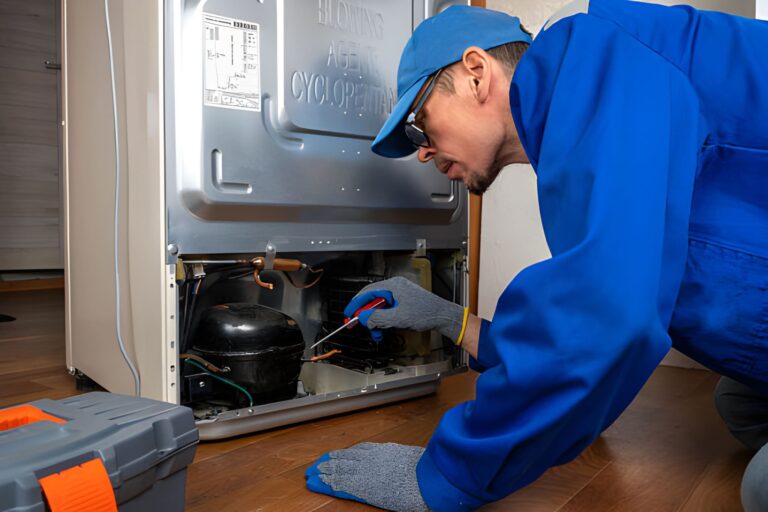
Regular commercial refrigeration maintenance helps businesses take a proactive approach. Instead of waiting for a major component to fail, technicians can inspect the system, identify signs of wear, and address developing issues while the equipment is still operational.
Maintenance is particularly important for businesses that depend on refrigeration to protect valuable inventory.
What Happens When Refrigeration Maintenance Is Ignored?
Skipping routine maintenance can create several problems. Some are immediately noticeable, while others develop gradually.
Increased Energy Consumption
A refrigeration system that is dirty, poorly maintained, or operating with a struggling component may require more energy to maintain the desired temperature.
For businesses operating several refrigerators, freezers, and display cases, even relatively small efficiency losses can accumulate over time. Keeping components clean and functioning correctly can help equipment operate closer to its intended performance.
Greater Risk of Unexpected Breakdowns
A worn fan motor, damaged door seal, clogged condenser, or other developing issue may not cause immediate failure. However, allowing the problem to continue can place additional strain on other components.
Eventually, what could have been a manageable maintenance issue may become a much more disruptive repair.
Product Loss
Temperature-sensitive inventory can be expensive. Meat, dairy products, frozen goods, produce, beverages, medications, and other temperature-sensitive products may be damaged when refrigeration fails.
The financial impact can therefore include more than the repair itself. Businesses may also have to deal with discarded inventory, operational disruption, and lost sales.
Don’t let a refrigeration failure turn into costly inventory loss. Get your system serviced promptly and check out our latest HVAC coupons and deals to help reduce your service costs.
Why Refrigeration Repair Should Not Be Delayed
When refrigeration equipment starts showing signs of trouble, delaying repairs may appear to save money in the short term. In practice, postponing a relatively minor problem can sometimes increase the eventual cost.
For example, a struggling component may place additional stress on other parts of the system. A small refrigerant-related issue, airflow problem, electrical fault, or mechanical failure can eventually affect overall cooling performance.
Professional refrigeration repair focuses on identifying the underlying cause rather than simply treating the most visible symptom.
Businesses should also consider the value of the products being protected. A repair expense may be relatively small compared with the cost of replacing a large amount of spoiled inventory.
Commercial Refrigeration and Electrical Systems
Refrigeration equipment relies heavily on electrical components. Compressors, fans, controls, motors, thermostats, and other parts require appropriate electrical power to operate correctly.
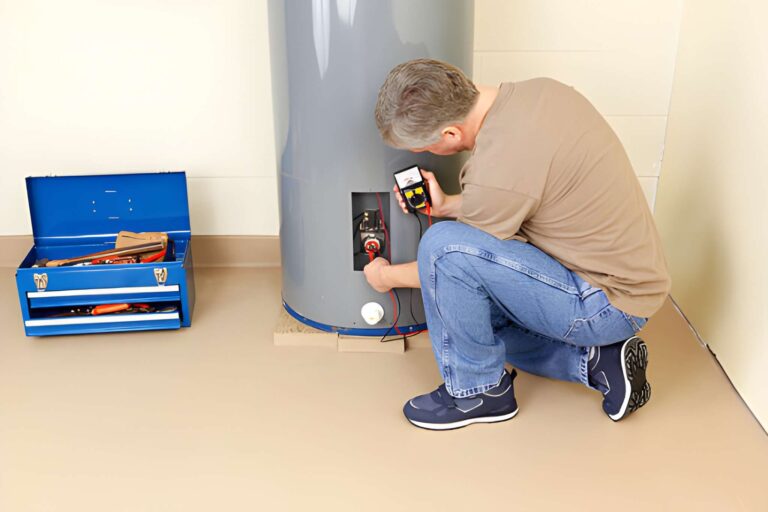
Electrical problems can sometimes appear to be refrigeration problems. For example, a faulty connection or power issue could prevent a refrigeration system from operating correctly even when the mechanical components themselves are functioning.
In certain situations, an electrical service upgrade may be necessary to accommodate increased demand. This should be evaluated by a qualified professional based on the property’s existing electrical infrastructure and the equipment being installed.
When Should Commercial Refrigeration Equipment Be Replaced?
Maintenance and repair can extend the useful life of refrigeration equipment, but every system eventually reaches a point where replacement becomes worth considering.
Age alone does not necessarily mean equipment needs to be replaced. Instead, businesses should consider the system’s overall condition, repair history, efficiency, reliability, and ability to meet operational requirements.
Replacement may become more attractive when a unit experiences frequent breakdowns, requires expensive components, consumes significantly more energy than newer alternatives, or can no longer maintain consistent temperatures.
Planning a New Commercial Refrigeration Installation
Businesses opening a new location, expanding their kitchen, remodeling a grocery store, or replacing outdated equipment may need completely new refrigeration systems.
Proper planning is important because equipment selection affects energy consumption, available storage, workflow, ventilation, electrical demand, and maintenance requirements.
Professional refrigeration installation in Saskatoon can help ensure new equipment is appropriately selected and installed for the business’s operational requirements.
Installation is also an opportunity to think about long-term maintenance. Equipment that is easy to access, clean, inspect, and service can be easier to manage throughout its operating life.
Choosing Between Repair and Replacement
When equipment develops a problem, businesses often face a simple question: should they repair the existing system or replace it?
There is no universal answer.
A relatively newer unit with one isolated problem may be an excellent candidate for repair. An older unit that repeatedly fails and struggles to maintain temperature may be approaching the end of its useful life.
The decision should take into account the repair cost, equipment age, energy efficiency, reliability, availability of replacement parts, and the potential impact of another breakdown.
A professional assessment can help business owners make the decision based on the equipment’s actual condition rather than guesswork.
Why Year-Round Maintenance Is a Smart Business Strategy
Commercial refrigeration is not a seasonal appliance category. Restaurants, grocery stores, cafés, food suppliers, and other businesses may depend on refrigeration every day of the year.
That makes preventive maintenance an important part of business continuity. Most importantly, maintenance changes the approach from reacting to failures to managing equipment proactively.
Want more practical tips for keeping your commercial refrigeration systems reliable? Explore our latest articles for helpful insights on maintenance, repairs, efficiency, and equipment care.
Protect Your Refrigeration Investment
Commercial refrigeration equipment represents an important investment for many businesses. Protecting that investment requires more than calling a technician after something breaks.
Regular maintenance, temperature monitoring, timely repairs, proper cleaning, and professional inspections can all contribute to reliable operation. Seasonal conditions should also be considered because refrigeration systems may face different demands throughout the year.
Whether your business operates one commercial refrigerator or an entire network of walk-in coolers, freezers, and display cases, a proactive maintenance strategy can help reduce avoidable disruptions.
If you notice unusual temperatures, excessive frost, water leaks, strange sounds, or equipment that runs continuously, do not wait for a complete failure before investigating the problem.
Frequently Asked Questions
How often should commercial refrigeration equipment be serviced?
The ideal schedule depends on equipment type, usage, operating conditions, and manufacturer recommendations. High-use commercial refrigeration equipment may benefit from more frequent professional inspections, while businesses should also perform routine monitoring between service visits.
What is the most common cause of commercial refrigeration problems?
There is no single cause. Dirty condenser coils, damaged door seals, airflow problems, worn components, electrical issues, and refrigerant-related problems can all affect refrigeration performance. Professional diagnosis is important for identifying the actual cause.
Why is temperature monitoring important for commercial refrigeration?
Temperature monitoring helps businesses identify changes in refrigeration performance before products are significantly affected. It can also provide useful information for troubleshooting and support compliance with applicable food-safety procedures.
Should I repair or replace an old commercial refrigerator?
The decision depends on the equipment’s age, condition, repair history, efficiency, and cost of continued operation. A professional assessment can help determine whether repairing the existing unit or investing in replacement equipment makes better long-term sense.
Can regular maintenance reduce refrigeration energy costs?
Proper maintenance can help equipment operate efficiently by addressing issues such as dirty coils, restricted airflow, damaged seals, and worn components. While maintenance cannot guarantee a specific energy reduction, keeping equipment in good condition can help avoid unnecessary operating strain.