Key Takeaways
A conventional tank water heater last typically 8 to 12 years (tankless systems often last longer), but actual lifespan depends on water quality, installation, maintenance, and usage; age alone doesn’t tell the full story.
Watch for the key warning signs: hot water running out quickly, water not getting hot enough, strange popping or rumbling noises (often sediment buildup), rusty water indicating internal corrosion, temperature fluctuations, and water pooling around the tank.
A leaking tank is one of the strongest signs replacement is needed: while loose connections or valves may be repairable, internal corrosion causing a tank leak usually means the unit must be replaced.
Repair makes sense when the unit is relatively young, and the problem is isolated; replacement becomes the better option when the tank is old, inefficient, leaking from corrosion, or experiencing repeated failures with rising repair costs.
A reliable water heater is easy to take for granted until the water suddenly turns cold during a shower or you notice water collecting around the tank. In Saskatoon, where winter temperatures can put additional demands on home systems, keeping your water heater in good condition is especially important.
Pro Service Mechanical provides professional water heater services in Saskatoon to help homeowners maintain dependable hot water and address issues before they become costly problems.
Most traditional tank-style water heaters last somewhere around 8 to 12 years, although actual lifespan depends on the type of unit, water quality, installation, maintenance, usage, and other factors. Tankless and other modern systems can have different service lives.
Knowing how long your water heater should last can help you recognize when something is wrong. Early warning signs may allow you to repair a relatively minor problem before it develops into a major failure, while an older unit showing several symptoms may be better replaced.
Planning to replace an aging water heater? Before choosing a new system, have your home’s hot-water demand, existing connections, available space, and installation requirements assessed by a qualified professional.
How Long Does a Water Heater Usually Last?
The expected lifespan of a water heater varies depending on its design and how heavily it is used. A conventional storage-tank water heater commonly lasts about 8 to 12 years when properly installed and maintained.
Some units may operate longer, while others can begin experiencing problems earlier. Lifespan is not a guarantee because several environmental and operational factors affect how quickly components wear.
Tankless water heaters can often have a longer useful life than conventional tank systems when maintained appropriately. However, their lifespan also depends on installation quality, water conditions, usage, and regular servicing.
Professional water heater installation is particularly important when replacing an older unit with a newer model because modern systems can have different installation requirements.
Signs Your Water Heater Is Failing
A water heater rarely fails without giving some warning. Recognizing these signs can help you take action before a complete breakdown.
1. Your Hot Water Runs Out Quickly
If your household used to have plenty of hot water but now runs out much faster, there could be an issue with the heating system.
For a traditional tank, sediment buildup can reduce the effective capacity of the tank. Heating components may also become less effective as they age.
If hot water availability has gradually declined, having the system inspected can help determine whether the problem is repairable or whether replacement is becoming more practical.
2. Water Is Not Getting Hot Enough
Another common warning sign is water that never reaches the temperature it normally should.
The cause can vary depending on the type of water heater. A faulty thermostat, heating element, burner issue, control problem, or other component may be responsible.
Rather than repeatedly adjusting the thermostat, it is better to have the system evaluated. Incorrect temperature settings can also create safety concerns, particularly in homes with children or older adults.
3. You Hear Strange Noises
Popping, rumbling, banging, or cracking sounds coming from a tank-style water heater can indicate sediment buildup.
As sediment accumulates at the bottom of the tank, water can become trapped beneath the deposits. When the water heats, steam bubbles can form and collapse, producing unusual sounds.
Occasional noises do not necessarily mean the water heater needs to be replaced. However, persistent or worsening sounds are worth investigating, especially when combined with reduced heating performance.
Hearing unusual noises from your water heater? Don’t wait for the problem to get worse. Pro Service Mechanical can inspect your system, identify sediment buildup or other issues, and help restore reliable hot water. Learn what to do when your water heater stops working in winter.
4. There Is Water Around the Tank
A visible leak is one of the most important warning signs.
Water around the base of a tank could come from a loose connection, valve, fitting, or another component. However, if the tank itself has developed a significant internal leak because of corrosion, replacement may be necessary.
Never ignore a growing puddle around a water heater. Even a small leak can cause property damage if it continues unchecked.
5. Your Water Looks Rusty
Rust-colored hot water can indicate corrosion somewhere in the water-heating system.
If rusty water appears only when using hot water, the water heater may be contributing to the problem. Corrosion inside an older tank can eventually lead to leakage.
Rusty water can have other causes as well, so an inspection is useful before assuming the water heater is definitely responsible.
6. The Water Temperature Fluctuates
Hot water that repeatedly switches between hot and cold can indicate a problem with the heating system.
Temperature fluctuations may be caused by failing components, incorrect settings, insufficient capacity, or other issues depending on the equipment.
If the problem occurs frequently, professional water heater services can help identify the underlying cause instead of simply treating the symptom.
When Should You Repair a Water Heater?
Not every water heater problem requires replacement. In some cases, a repair can restore normal operation at a reasonable cost.
For example, replacing a worn component or addressing a connection problem may make sense when the tank itself remains structurally sound.
Tankless Water heater repair is generally worth considering when the unit is relatively young, the problem is isolated, and the repair is unlikely to become part of a pattern of repeated failures.
However, repair decisions should consider the age and overall condition of the equipment. A small repair on an aging unit may only postpone a larger problem.
When Is Water Heater Replacement the Better Option?
Replacement becomes more attractive when a water heater is old, inefficient, unreliable, or showing multiple signs of deterioration.
If the tank is leaking because of internal corrosion, replacement is often the appropriate solution. A failed tank cannot typically be restored through a simple component repair.
Replacement may also make sense when repair costs are increasing or when the unit has experienced several failures within a short period.
A professional can evaluate the equipment and explain whether repair or replacement is likely to provide better long-term value.
Why Saskatoon Homeowners Should Pay Attention to Water Heater Problems
Saskatoon homeowners rely heavily on dependable heating and hot water throughout the year. A water heater problem can become particularly inconvenient during periods of extreme cold.
A failed water heater can also be more than an inconvenience if a leak damages flooring, walls, storage areas, or other parts of the home.
Professional water heater services can help homeowners identify developing issues, maintain equipment, and make informed decisions about repair or replacement.
Water heaters should also be considered as part of the property’s broader mechanical and electrical systems. For example, homeowners may need HVAC repair when heating or cooling equipment develops separate issues, but HVAC and water-heating equipment should not automatically be treated as the same system.
How Regular Maintenance Can Extend Water Heater Life
Maintenance does not make a water heater last forever, but it can help preserve performance and identify developing problems.
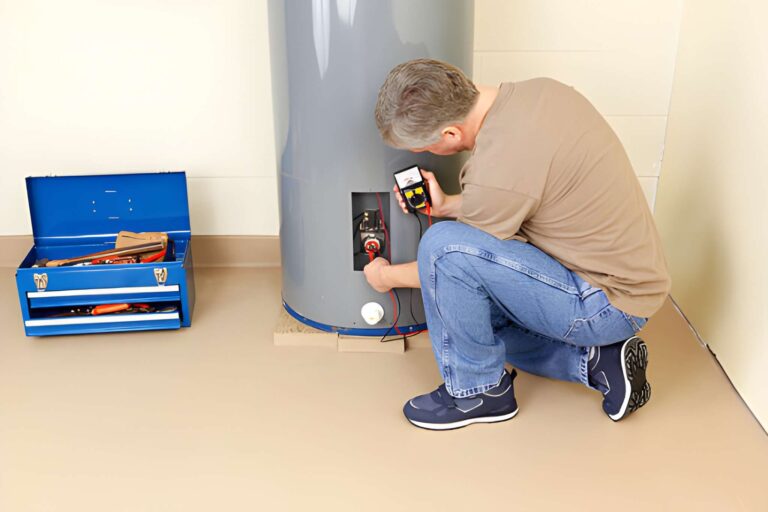
A professional maintenance visit may include inspecting the system, checking connections and controls, looking for signs of corrosion or leakage, and evaluating components relevant to the specific type of water heater.
For tank-style systems, sediment management can be particularly important. The appropriate maintenance schedule depends on the equipment and local water conditions.
Homeowners should also keep the area around the water heater accessible. Storing clutter immediately around equipment can make inspections and repairs more difficult.
Water Heater Problems Can Sometimes Point to Larger Home-System Issues
Water heater performance can occasionally be affected by issues beyond the appliance itself.
For example, electrical connections, breakers, wiring, controls, or other components may need attention when an electric water heater stops operating correctly. In older homes, broader electrical requirements may also need to be considered when installing new equipment.
If your home has outdated electrical infrastructure, an electrical service upgrade may sometimes be relevant when adding or replacing major electrical equipment. This should always be assessed by a qualified professional rather than assumed based on the water heater alone.
Keep Your Water Heater Working Reliably
A water heater can provide years of dependable service when properly selected, installed, and maintained. For many conventional systems, 8 to 12 years is a useful general lifespan estimate, but the actual service life varies considerably.
The most important thing is not to focus solely on age. Look at the complete picture: hot-water performance, leaks, noises, corrosion, repair history, efficiency, and overall condition.
If your water heater is approaching the end of its expected life, planning can also help you avoid an emergency replacement. Instead of waiting for a complete failure, you can compare replacement options and schedule installation when it is convenient.
Frequently Asked Questions
How long does a typical water heater last?
A conventional tank-style water heater commonly lasts around 8 to 12 years, although some units may last longer or fail earlier. Maintenance, water quality, usage, installation, and equipment quality can all affect lifespan.
What is the biggest sign a water heater needs replacement?
A leaking tank is one of the strongest signs that replacement may be necessary, particularly when the leak results from internal corrosion. Other factors, including age, repeated breakdowns, poor performance, and rising repair costs, should also be considered.
Can a water heater last 20 years?
Some water heaters can operate for 20 years, but this is beyond the typical lifespan of many conventional tank systems. An older unit should be evaluated based on its condition and reliability rather than age alone.
How can I make my water heater last longer?
Regular maintenance, appropriate temperature settings, addressing leaks promptly, managing sediment where applicable, and having problems professionally diagnosed can help maintain performance and potentially extend useful service life.
Should I repair or replace my old water heater?
The right choice depends on the unit’s age, condition, repair history, type of failure, and replacement cost. If an older water heater requires frequent repairs or has a failing tank, replacement may provide better long-term value.
This version keeps the article primarily paragraph-based while using bullets sparingly, with the requested keywords integrated naturally and the three CTAs positioned throughout.