Key Takeaways
- Hidden water leaks often show up as warning signs like unexpectedly high water bills, damp or discoloured walls, musty odours, mould growth, warped flooring, low water pressure, or the sound of running water when nothing is on.
- Leaks can hide behind walls, under floors, in ceilings, underground, or around appliances and water heaters, which is why they can go unnoticed for weeks or months.
- A simple water meter test can help confirm whether water is being lost somewhere in the plumbing system when all fixtures are off.
- Professional leak detection uses non-invasive tools such as acoustic listening devices, thermal imaging, moisture meters, pressure testing, and video inspection to locate the source accurately.
- Early detection matters because hidden leaks can damage drywall, framing, insulation, flooring, cabinets, and electrical systems while also increasing mould risk and repair costs.
Water is essential to every home, but when it escapes where it shouldn’t, it can quietly cause significant damage. Unlike a burst pipe that immediately floods a room, hidden water leaks often go unnoticed for weeks or even months. During that time, they can damage walls, ceilings, flooring, insulation, and even your home’s foundation. They can also encourage mould growth, reduce indoor air quality, and increase your monthly water bills.
Because hidden leaks are usually concealed behind walls, beneath floors, inside ceilings, or underground, they are difficult to detect without careful observation or professional equipment. Fortunately, most hidden leaks leave warning signs long before they become major plumbing emergencies.
Professional water leak detection services use advanced tools to locate leaks quickly and accurately without unnecessary damage to your property. Whether the leak originates from a supply pipe, drain line, appliance, or water heater, early detection can save homeowners thousands in repair costs.
In this guide, we’ll explain the most common signs of hidden water leaks, why they occur, how professionals locate them, and what you can do to protect your home from costly water damage.
Don’t wait until minor moisture becomes major damage. Our experienced plumbers provide professional leak detection services to identify problems quickly and protect your home. Contact us today to schedule an inspection.
Why Hidden Water Leaks Are So Dangerous
Unlike obvious plumbing failures, hidden leaks often develop slowly. Small pipe cracks, loose fittings, deteriorating seals, or appliance failures may release water gradually over long periods.
Because the leak remains concealed, homeowners may not notice the problem until structural damage has already occurred. Long-term moisture can damage drywall, wood framing, flooring, insulation, electrical systems, cabinetry, and personal belongings. Early identification significantly reduces repair costs.
Unexpectedly High Water Bills
One of the earliest warning signs of a hidden leak is a sudden increase in your water bill. If your household water usage hasn’t changed but monthly bills continue rising, water may be escaping somewhere within your plumbing system.
Compare several months of utility statements to identify unusual consumption patterns. Even small leaks can waste hundreds of litres of water over time.
Damp or Discoloured Walls
Water leaking inside walls often creates visible staining. Yellow, brown, or dark patches on painted walls or ceilings frequently indicate moisture behind the surface.
Wallpaper may begin peeling, paint may bubble, or drywall may soften. These signs should never be ignored, even if they appear small. Professional inspections help determine whether active leaks are present.
Musty Odours
Persistent musty smells frequently indicate hidden moisture. When water remains trapped inside walls, under flooring, or behind cabinets, mould and mildew can begin developing.
Even before mould becomes visible, homeowners may notice earthy or damp odours throughout affected areas. Investigating unusual smells promptly helps prevent more extensive damage.
Mould Growth
Mould requires moisture to survive. If mould appears in areas not typically exposed to water, such as bedroom walls or hallway ceilings, hidden plumbing leaks may be responsible.
Visible mould often indicates moisture has been present for an extended period. Because mould can affect indoor air quality, professional remediation and plumbing repairs should occur as soon as possible.
Warped Floors or Buckling Materials
Wood, laminate, and vinyl flooring absorb moisture over time. Hidden leaks beneath flooring may cause boards to swell, buckle, warp, or separate.
Soft spots underfoot may also indicate water damage beneath the finished surface. Early repairs prevent structural deterioration while reducing restoration costs.
Want to Protect Your Home From Winter Plumbing Issues? Explore our other helpful guides for expert tips on preventing frozen pipes, detecting plumbing problems, and maintaining a safe and efficient home throughout the year.
Low Water Pressure
A sudden reduction in water pressure may indicate water escaping before it reaches your fixtures. Although pressure problems sometimes result from municipal supply issues or clogged pipes, hidden leaks remain another common possibility.
Professional plumbing inspections can identify the exact cause.
Sounds of Running Water
If you hear water running when every tap and appliance is turned off, hidden plumbing problems may exist. Listen carefully near walls, floors, ceilings, and utility rooms.
Continuous dripping, hissing, or flowing sounds often indicate concealed leaks. These sounds are particularly noticeable during quiet nighttime hours.
Wet Spots Around the Property
Hidden leaks aren’t limited to indoor plumbing. Underground water lines may leak beneath driveways, gardens, or lawns. Watch for:
- Unusually green patches of grass
- Wet soil during dry weather
- Sinkholes or soft ground
- Standing water
- Foundation moisture
These signs may indicate underground pipe damage requiring immediate attention.
Your Water Meter Keeps Running
A simple water meter test can help identify hidden leaks. Turn off every water fixture, appliance, and irrigation system. Check your water meter and record the reading. Wait approximately 30 minutes without using water. If the meter changes, water may be escaping somewhere within your plumbing system.
Although this test confirms possible leakage, professional equipment is usually needed to determine the exact location.
Professional Leak Detection Technology
Modern plumbers use advanced diagnostic equipment to locate leaks accurately while minimizing property damage. Common technologies include:
- Acoustic listening devices
- Thermal imaging cameras
- Moisture meters
- Pressure testing
- Infrared imaging
- Video pipe inspection
- Electronic leak detection
These tools reduce unnecessary wall removal while helping technicians identify leaks quickly.
Considering a Tankless Water Heater
Some homeowners replace ageing storage tanks with a tankless water heater in Saskatoon system. Tankless models eliminate large storage tanks that can eventually corrode and leak.
They also provide continuous hot water while improving energy efficiency and reducing space requirements.
Although tankless systems still require maintenance, they remove one common source of significant household water leaks.
Water Heater Leaks
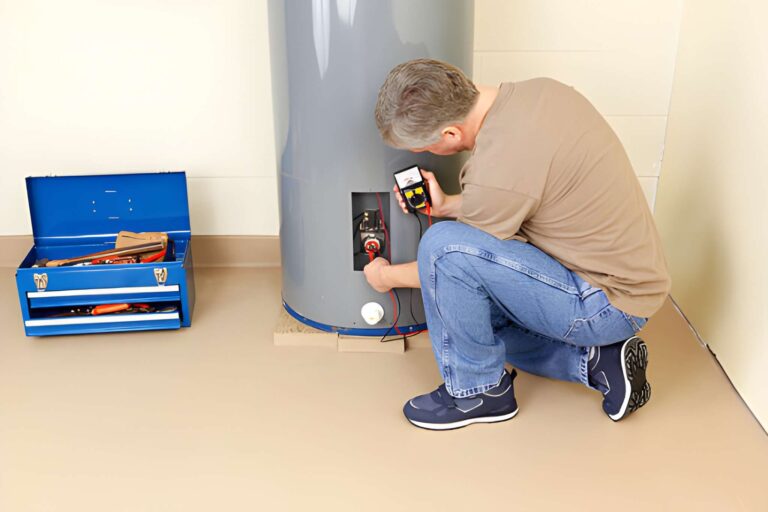
Water heaters can also develop hidden leaks. Small leaks around valves, fittings, or tanks often go unnoticed until nearby flooring becomes damaged.
Homeowners experiencing hot water issues should schedule professional water heater repair Saskatoon services to inspect the system before minor leaks worsen. Routine maintenance extends equipment lifespan while improving reliability.
Why Early Detection Saves Money
The longer a leak continues, the greater the damage becomes. Water can weaken framing, damage insulation, destroy flooring, encourage mould growth, and affect electrical systems.
Repair costs increase significantly when structural restoration becomes necessary. Professional water leak detection identifies problems early, reducing both repair costs and disruption to your household.
To explore more guides and resources, read our latest articles for valuable information to help you make informed decisions about your home comfort systems.
Conclusion
Hidden plumbing leaks often develop quietly, but the damage they cause can be extensive if left untreated. Fortunately, your home usually provides warning signs long before serious structural problems occur. Higher water bills, damp walls, musty odours, mould growth, warped flooring, reduced water pressure, and unexplained running water all deserve prompt investigation.
Professional water leak detection combines advanced technology with experienced diagnosis to locate concealed leaks accurately while minimizing unnecessary damage to your home.
Frequently Asked Questions
What are the signs of a hidden water leak?
Common signs of a hidden water leak include higher water bills, damp or discoloured walls, musty odours, mould growth, warped flooring, low water pressure, and the sound of running water when no fixtures are being used. These warning signs may appear gradually, so noticing them early can help prevent serious property damage and expensive repairs.
Why are hidden water leaks dangerous?
Hidden water leaks are dangerous because they often go unnoticed for long periods while slowly damaging your home. Water can weaken drywall, flooring, insulation, wood framing, and even electrical systems. Over time, hidden moisture may also create mould growth and reduce indoor air quality, making early detection important for both safety and cost savings.
How can I check for a hidden water leak at home?
You can check for a hidden leak by turning off all water fixtures, appliances, and irrigation systems, then watching your water meter. If the meter continues moving when no water is being used, a leak may be present. This test can confirm a problem, but professional equipment is usually needed to find the exact location.
Can a hidden leak cause a musty smell?
Yes, a hidden leak can absolutely cause a musty or damp smell. When water becomes trapped behind walls, under floors, or inside cabinets, it creates an ideal environment for mould and mildew. If you notice an earthy or stale smell that does not go away, it is worth having the area inspected quickly.
Why is my water bill suddenly higher?
A sudden increase in your water bill can be a strong sign of a hidden leak, especially if your water usage habits have not changed. Even a small leak can waste a large amount of water over time. Comparing several months of bills can help you spot unusual usage and identify a possible plumbing issue early.
What causes hidden water leaks?
Corroded pipes, loose fittings, worn seals, frozen pipe damage, high water pressure, aging plumbing systems, underground pipe damage, appliance connections, or water heater problems can cause hidden water leaks. These issues may release water slowly over time, making them difficult to detect without careful observation or professional inspection.
How do professionals find hidden leaks?
Professional plumbers use advanced tools such as acoustic listening devices, thermal imaging cameras, moisture meters, pressure testing, infrared imaging, and video pipe inspection systems. These technologies allow them to locate leaks accurately while minimizing unnecessary damage to walls, ceilings, or flooring during the inspection process.
Can a hidden leak damage my floors?
Yes, hidden leaks can seriously damage floors. Moisture beneath flooring can cause wood, laminate, and vinyl to swell, buckle, warp, or separate. In some cases, floors may also feel soft or uneven underfoot. Early leak detection can help prevent structural deterioration and reduce the cost of restoration work.
When should I call a plumber for a hidden leak?
You should call a plumber if you notice persistent damp smells, mould growth, ceiling stains, rising water bills, wet flooring, low water pressure, or the sound of running water when everything is turned off. These signs often mean water is leaking somewhere hidden and should be checked professionally as soon as possible.
Can water heater leaks be hidden too?
Yes, water heater leaks can be hidden and easy to overlook at first. Small leaks around valves, fittings, or the tank may slowly damage nearby flooring or cabinetry before becoming visible. If your hot water system is acting up or you notice moisture around it, professional inspection is the safest next step.
How does early leak detection save money?
Early leak detection saves money by stopping damage before it spreads. A small leak can eventually lead to mould removal, drywall replacement, flooring repairs, insulation damage, and even electrical issues. Finding the problem early usually means a simpler, less expensive repair and less disruption to your home and daily routine.