
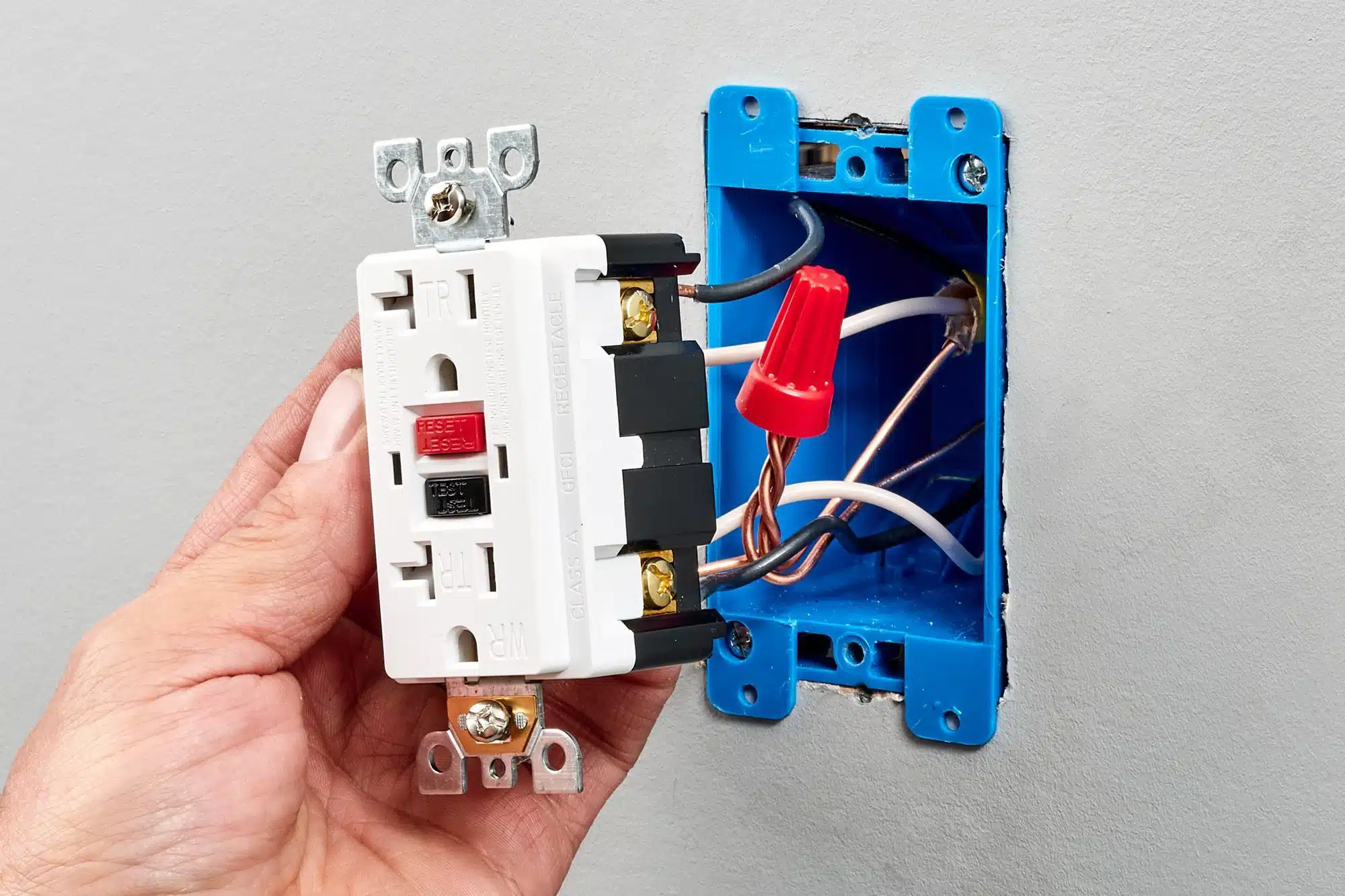
If you’ve noticed an outlet that feels warm to the touch, a breaker that trips every time the microwave and kettle run together, or a bathroom GFCI that your kids keep resetting, those aren’t minor annoyances, they’re symptoms. Outlets and switches are the most-touched parts of your home’s electrical system, and when they start behaving strangely, the wiring behind them is usually trying to tell you something. Pro Service Mechanical’s licensed electricians work in Saskatoon homes every week, from 1950s bungalows in Westmount to newer builds in Brighton, diagnosing and fixing exactly these problems.
Our residential electrical services now include a dedicated electrical team, fully licensed Saskatchewan journeypersons, insured, and familiar with SaskPower’s requirements and the Canadian Electrical Code as it applies here in the province. Whether you need a single GFCI swapped in a bathroom or a new 240V circuit run for a dryer or EV charger, we give you a clear scope and a straight price before any work begins. Call us at (306) 230-2442 to describe what you’re seeing, and we’ll tell you honestly what it likely means.
Not every outlet in your home does the same job, and the Canadian Electrical Code (CEC) is specific about which type goes where. In kitchens and bathrooms, receptacles within 1.5 metres of a sink must be GFCI-protected, the kind with the TEST and RESET buttons that trips when it detects a ground fault. Garage outlets, exterior receptacles, and unfinished basement plugs fall under the same requirement. If your 1970s-era Saskatoon home still has standard unprotected outlets in any of those locations, it’s not up to current code, and most insurers expect compliant wiring.
AFCI protection works differently: instead of guarding against shock near water, it monitors the circuit for the kind of electrical arcing that can ignite insulation or framing inside a wall before you ever smell smoke. In newer Saskatoon homes and any circuit that’s been substantially altered, combination AFCI breakers are typically required on bedroom and living-area circuits. If you’re adding outlets in a finished basement or renovating a bedroom, expect AFCI to be part of the conversation.
For families looking to reduce the tangle of USB charging bricks on the kitchen counter or nightstand, USB-C combination receptacles are a straightforward upgrade. Tamper-resistant outlets, which require simultaneous pressure on both slots to open, are the right choice anywhere children can reach, and they’re now standard practice in dwelling units. And if you’re adding a dryer in a new laundry location, a welder in the garage, or a Level 2 EV charger, those require a dedicated 240V circuit sized to the load. Our EV charger installation team handles the full circuit, permit, and inspection process so you don’t have to coordinate it yourself.
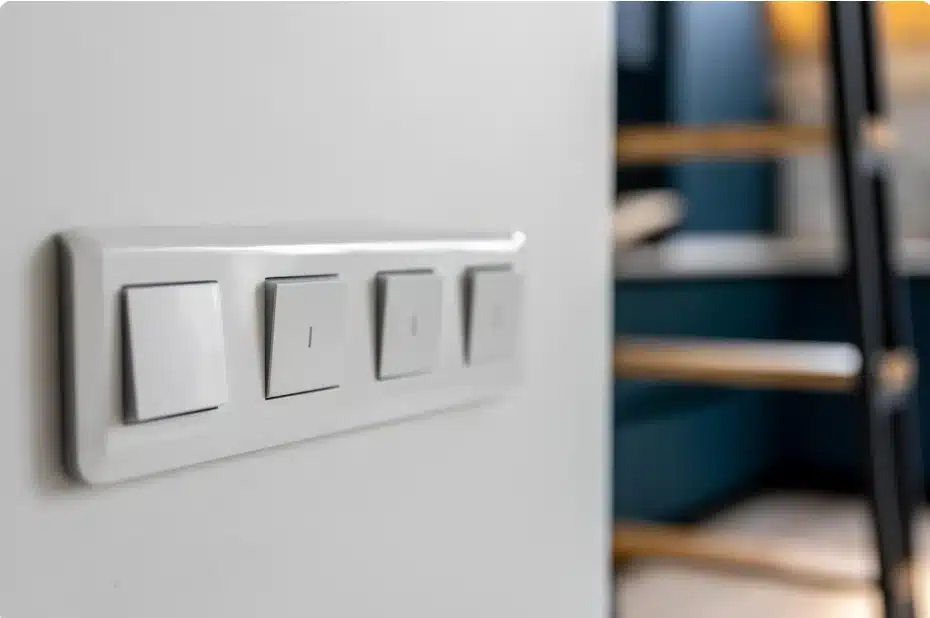
A switch that just turns a light on and off is the floor, not the ceiling. Dimmer switches compatible with LED bulbs let you adjust the mood in a dining room or living area without the energy waste of older incandescent dimmers. Three-way switches, the kind that control one light from two locations, like a stairwell or hallway, need to be wired correctly or they’ll cause persistent flickering or partial failures, which is one of the more common complaints we hear from homeowners who’ve had DIY work done.
Smart switches are increasingly popular in Saskatoon homes, but compatibility matters. Many older homes in Lakeview, Lawson Heights, or Confederation Park have switch boxes without a neutral wire, which most smart switches require. There are no-neutral smart switch options, but they’re not universally compatible with every LED fixture. Before you buy hardware online, it’s worth having an electrician confirm what your existing boxes contain. Our smart home electrical upgrades team can assess compatibility and recommend devices that will actually work reliably in your wiring.
Motion-sensor switches are another practical upgrade, especially in utility rooms, garages, and kids’ bathrooms where lights routinely get left on. They work well, but they need to be sized for the load and positioned so the sensor covers the room properly. Done right, they’re set-and-forget. Done wrong, they false-trip or fail to detect occupants in corners of the room, a frustration that’s entirely avoidable with correct placement and a quality device.
“We’d been putting up with flickering lights in the kitchen and a warm outlet by the stove for two years. Figured it was just an old house thing. The Pro Service Mechanical electrician found a backstabbed connection that was arching behind the wall, took him about an hour to sort out. Wish we’d called sooner, honestly.”
, Cheryl M., Lakeview
Kitchens get the most scrutiny under the CEC for good reason: they concentrate high-draw appliances, water sources, and constant family traffic in one space. Counter receptacles must be spaced so no point along the countertop is more than 900mm from an outlet, and dedicated circuits are expected for larger loads like the refrigerator and microwave. Any outlet within reach of a sink needs GFCI protection. If your kitchen was last updated in the 1980s and you’re putting in new countertops, the electrical work that goes with it needs to meet current standards, and TSASK (Saskatchewan’s electrical inspection authority) will be looking for it.
Bathrooms require GFCI on all receptacles, full stop, regardless of the age of the home. The same applies to any receptacle installed outside the house: a properly rated in-use cover rated for wet locations is required, and the outlet behind it needs GFCI protection. Garage outlets follow the same rule. These aren’t optional upgrades in our view, they’re the difference between work that passes inspection and work that creates problems during a home sale or an insurance claim.
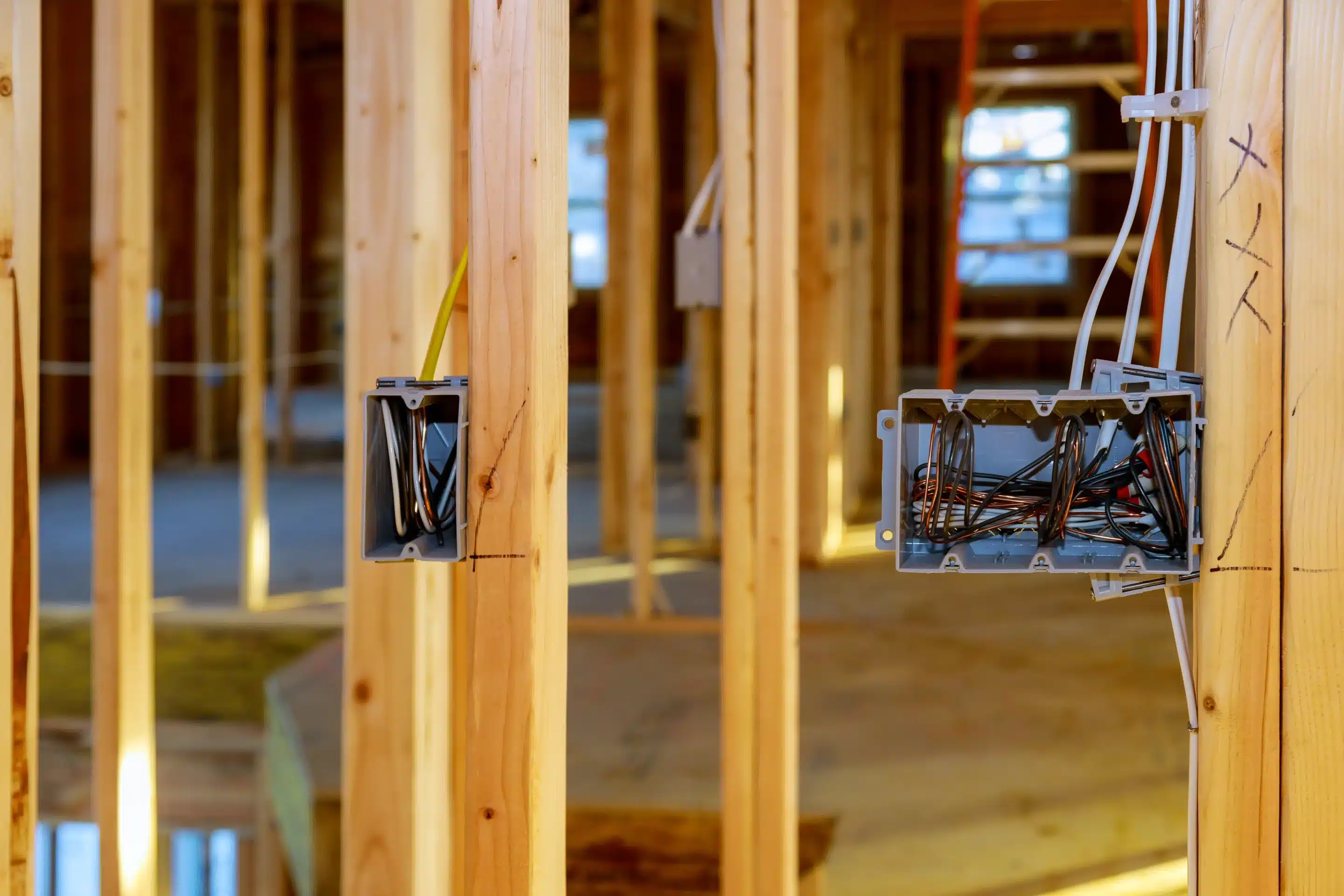
For larger projects, TSASK permits and inspections are part of the process whenever circuits are added or substantially modified. Pro Service Mechanical handles the permit application and books the inspection; you don’t need to navigate that paperwork yourself. We also coordinate with SaskPower when service-side work is involved. Our broader electrical services in Saskatoon are built around that full-service approach so nothing falls through the cracks between the electrician, the inspector, and the utility. For anything that can’t wait, a burning smell, a dead circuit in winter, our 24/7 emergency electrician in Saskatoon is available around the clock.
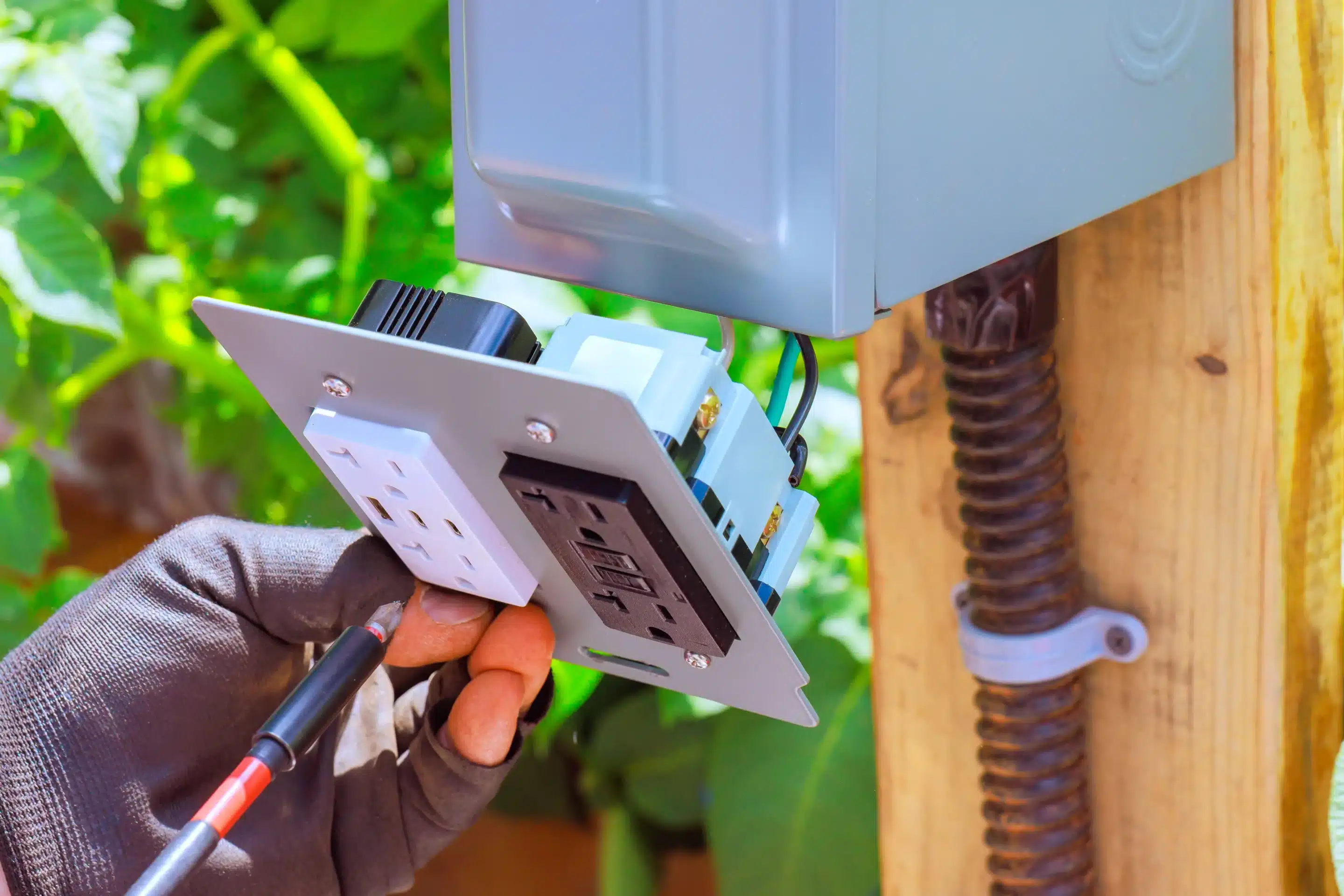
A straightforward outlet or switch replacement during a service call typically runs between $120 and $220 per device in Saskatoon, with the service call itself usually in the $150,$220 range. GFCI upgrades in kitchens and bathrooms land in the same range per location. If you’re replacing several devices in one visit, the per-device cost generally comes down because the call-out fee is shared. A new 240V circuit for a dryer or EV charger is a different scope: expect $600,$1,500 depending on the distance from the panel and whether the panel has capacity, and budget more if a load calculation points toward an electrical panel upgrade.
For most straightforward outlet and switch work, same-day or next-day attendance is realistic when safety is a concern. A warm outlet, a burning smell, or a circuit that’s completely dead should move to the top of the list, those aren’t symptoms to monitor over a few weeks. Cosmetic upgrades like smart switches or USB receptacles can usually be scheduled within one to two weeks. We’ll tell you honestly on the phone whether what you’re describing sounds urgent, and we’ll give you a ballpark before anyone comes to your door. Reliable comfort at home starts with knowing your electrical system isn’t working against you.
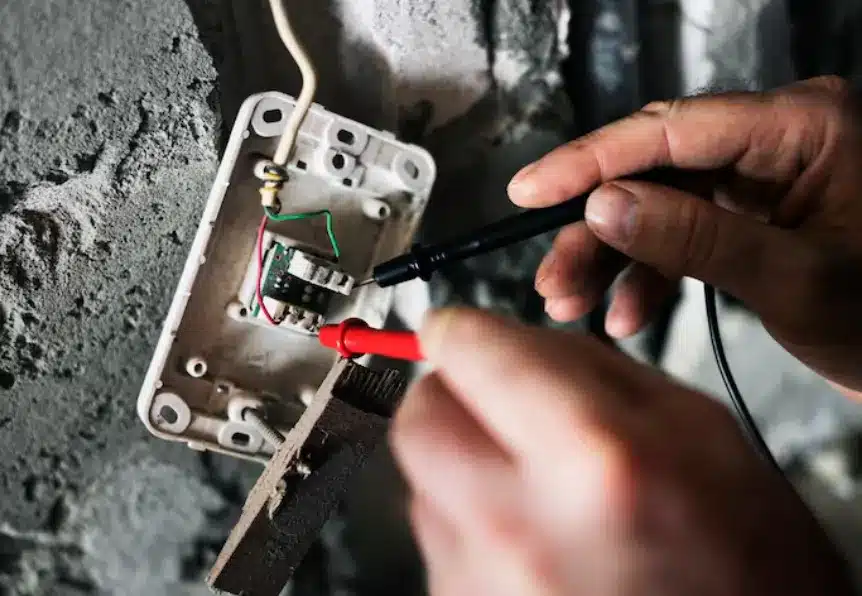
One area worth budgeting for proactively: older Saskatoon homes built between the 1950s and 1970s frequently have receptacles wired with back-stabbed connections rather than proper screw terminals. Those connections loosen over time and are a leading cause of the warm outlets, flickering lights, and intermittent breaker trips that homeowners in those neighbourhoods describe. Replacing devices and converting to screw terminals during a service call is a small cost relative to the peace of mind. If your home is in that age range and you’ve never had the outlets looked at, it’s worth a visit. We also offer whole-home surge protection and residential lighting installation as part of the same visit when the scope makes sense. For ongoing concerns, our electrical repairs and maintenance service keeps everything running reliably. Call Pro Service Mechanical at (306) 230-2442 to get started.
Yes, unplug anything connected to that outlet and switch off the breaker to that circuit until it’s been inspected. A warm or discoloured outlet almost always means a loose connection, an overloaded circuit, or a damaged receptacle, and each of those can worsen quickly. Saskatoon’s winters make it worse: long run-times on space heaters and kitchen appliances put constant stress on connections that are already marginal. A single outlet replacement may run $120,$220, but if the wiring behind it shows heat damage, the repair will cost more and is worth every dollar.
GFCI (ground fault circuit interrupter) protects people from shock in wet areas, kitchens, bathrooms, garages, and outdoors, by cutting power when it detects current leaking outside the intended path. AFCI (arc fault circuit interrupter) protects the home from fire by detecting the kind of electrical arcing that happens inside walls when wiring is damaged or connections are loose. Under the Canadian Electrical Code as adopted in Saskatchewan, most homes need both: GFCI at specific wet-location outlets, and AFCI on branch circuits serving living areas and bedrooms. An older Saskatoon home may have neither, which is worth knowing before you renovate or sell.
Yes, and it’s one of the more common requests we handle. A new 240V circuit requires a dedicated breaker, correct-gauge wire run from the panel to the outlet location, and a receptacle rated for the load. In Saskatoon, expect $600,$1,500 for a typical dryer circuit depending on distance and panel access; an EV charger circuit can run $900,$2,500 or more if the panel is near capacity or the garage run is long. A load calculation will tell us whether your current panel can support the new circuit or whether an electrical panel upgrade is needed first. We handle the TSASK permit and SaskPower coordination as part of the job.
It depends on whether your switch boxes contain a neutral wire, which many homes built before the 1990s do not. Most Wi-Fi and smart switches require a neutral to maintain standby power; without one, you’ll either need a no-neutral compatible model or a small wiring modification. Compatibility also depends on the type of LED fixtures on the circuit. Before purchasing smart switches, have an electrician confirm what’s in the box, it saves the frustration of buying hardware that won’t work with your existing wiring. Our smart home electrical upgrades service covers the assessment and installation together.
Under the Canadian Electrical Code, kitchen counter receptacles must be spaced so no point on the counter is more than 900mm from an outlet, and any receptacle within 1.5 metres of a sink must have GFCI protection. Bathrooms require GFCI on all receptacles, regardless of distance from water. Dedicated circuits are expected for larger kitchen appliances like the refrigerator and built-in microwave. If your home is from the 1960s or 1970s and the kitchen hasn’t been updated, there’s a good chance it doesn’t meet any of those requirements, something that can surface during a home sale or insurance review.
A standard receptacle replacement during a service call is typically $120,$200 per outlet in Saskatoon, with the service call itself running $150,$220. GFCI or specialty receptacles (USB-C combination, tamper-resistant) cost a bit more due to the device price. If you bundle several outlets in one visit, the per-device cost usually drops because the call-out fee is shared across the work. Prices increase if the existing box is overfilled, the wiring is damaged, or the outlet reveals a larger issue that needs attention.
We provide a written warranty on both parts and labour for all outlet and switch installations. The specific terms are confirmed in writing before work begins so there’s no ambiguity after the fact. Manufacturer warranties apply separately to the devices themselves. If something fails or doesn’t perform as expected after our work, call us and we’ll return to make it right, that’s the standard we hold our electrical team to, the same way we’ve always operated on the HVAC and plumbing side of Pro Service Mechanical.
For urgent issues, burning smell, a dead circuit in winter, a warm outlet, we aim for same-day or next-day attendance when our schedule allows. Call us at (306) 230-2442 and describe what you’re seeing; we’ll tell you honestly how quickly it needs attention. A single outlet or switch replacement typically takes 30,60 minutes on site. Larger work like multiple GFCI upgrades, new circuits, or smart switch installations may take two to four hours, and projects requiring a TSASK inspection will have an additional scheduling step that we manage on your behalf.