
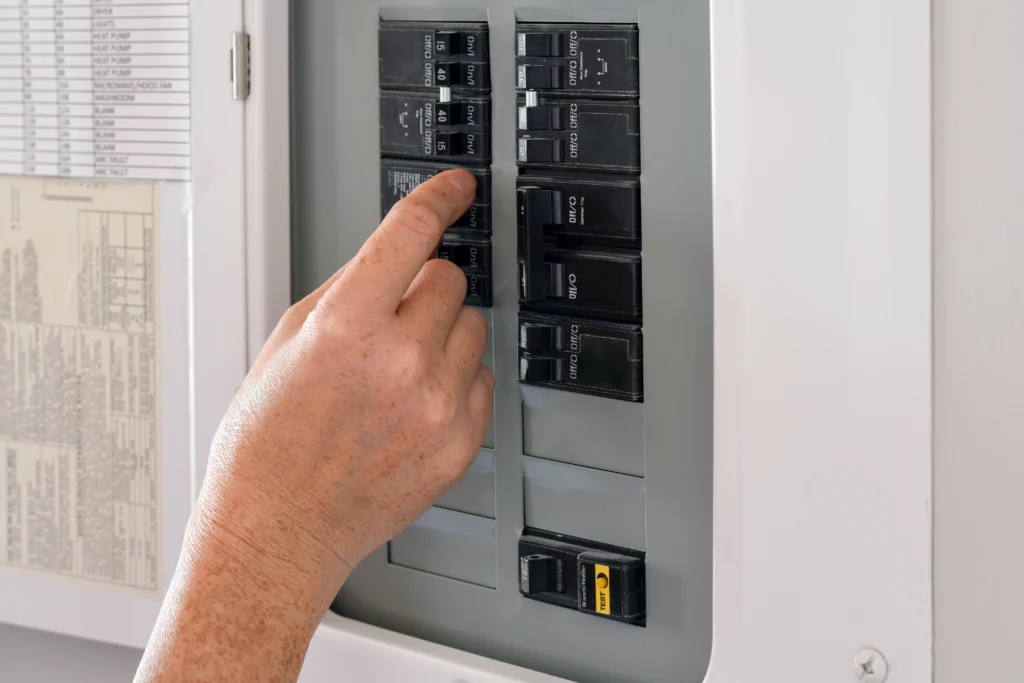
If your breaker keeps tripping every time you run the microwave and the kettle at the same time, or the lights dim when the furnace kicks on, your electrical panel is telling you something. These are the everyday symptoms Saskatoon homeowners notice long before they ever think about amps or panel sizes, and they are worth taking seriously. A panel that cannot keep up with your household is not just inconvenient, it is a fire risk, and in Saskatchewan, it can also create problems with your home insurance.
Pro Service Mechanical recently merged in a team of licensed Saskatchewan electricians to complement our HVAC and plumbing services, so your home’s mechanical systems are all under one roof. Whether you just bought a 1970s home in Silverspring and are wondering what is inside that beige metal box in the utility room, or you need to add a circuit for an EV charger in a newer Rosewood garage, our electricians handle the full job, permits, SaskPower coordination, TSASK inspection, and all. Reach us at (306) 230-2442 and we will walk you through what your home actually needs.
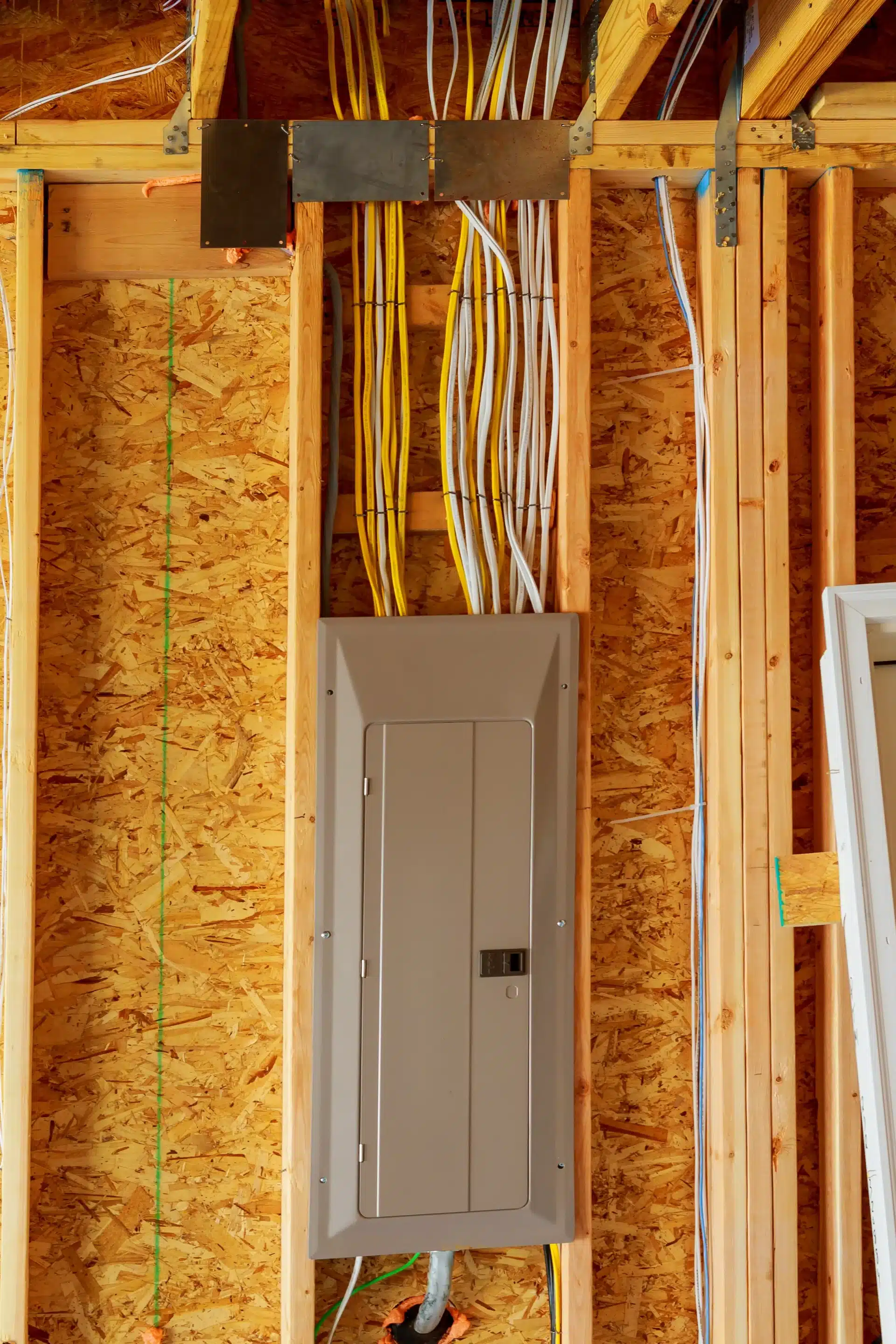
Most Saskatoon homeowners do not go looking for electrical problems; the problems find them. A breaker that trips every Thursday when the kids use the bathroom hairdryer while someone runs the dishwasher, an outlet that feels slightly warm to the touch, a faint buzz from the panel when you walk past, these are the signals that something is running at or past its limit. None of them are normal, and none of them should be ignored while you wait to see if they get worse.
The age and era of your home shapes the risk level considerably. Homes built in Saskatoon’s older west-side and central neighbourhoods, Caswell Hill, Westmount, Mount Royal, parts of Confederation, often still carry 60-amp or original 100-amp services that were designed decades before air conditioning, EV chargers, and induction ranges existed. A 60-amp service was standard for a 1960s household running a fridge, a few lights, and an electric range. Add central AC, a chest freezer in the basement, a gaming setup, and plug-in block heaters in winter, and that service is not just undersized, it is working dangerously hard.
Homes from the 1990s and early 2000s in areas like Arbor Creek, Lakeridge, or early Stonebridge phases typically have 100-amp service, which is more manageable but still reaches its ceiling quickly when families add a hot tub, a Level 2 EV charger, or a basement suite. If you are planning any of those additions, a residential electrical services assessment should happen before the quote on the charger or the hot tub, not after.
A burning smell, visible scorch marks near the panel, or a warm panel cover are not “wait and see” situations. Call a licensed electrician the same day. For anything short of those urgent signs, most symptoms still warrant a call within a few days rather than letting them linger.

The phrase “panel upgrade” can sound like a vague, expensive mystery, so here is what it actually involves in a typical Saskatoon detached home. The electrician starts with a site visit to look at your existing panel, assess the service size, check the grounding and bonding, and do a load calculation under the Canadian Electrical Code (CEC). That calculation determines what size service your home actually needs based on your real appliances and any loads you are planning to add, not just a guess.
On the day of the upgrade, the utility disconnects power at the meter. In most Saskatoon neighbourhoods served by SaskPower, this is coordinated by your electrician; homes in the older core area may fall under Saskatoon Light and Power (SL&P), which has its own Electrical Service Request process. Either way, your electrician handles the scheduling so you are not left on the phone navigating utility paperwork. Power is typically off for four to eight hours for a straightforward panel swap. If the meter base, service mast, or service conductors also need replacing, plan for a full business day.
The old panel comes out, the new 200-amp enclosure goes in, and every circuit is re-terminated, labelled clearly, and tested. Grounding and bonding are updated to current CEC standards, this includes bonding to the gas line and metallic water piping where required. The finished panel should have every breaker labelled in plain language (Furnace, Kitchen plugs west wall, Sump pump, and so on), not cryptic codes or blank spaces. If you are adding circuits for a future EV charger installation or a whole-home surge protection device, those go in during the same visit rather than requiring a second round of permits and utility coordination.
Before power is restored, TSASK (Technical Safety Authority of Saskatchewan) inspects the service equipment and panel. For SL&P customers, the TSASK permit number goes to SL&P’s Meter Shop before the meter is installed and energised. This is how every panel upgrade in Saskatchewan is supposed to work, and it is how Pro Service Mechanical does it. After inspection, the electrician walks you through the new panel, where the main breaker is, which circuits handle your most critical loads, and what spare capacity you have for future additions like outlet and switch installation or smart home electrical upgrades.

A panel or service upgrade in Saskatchewan requires an electrical permit through TSASK, no exceptions. This is not bureaucratic red tape; it is the inspection process that confirms the work protecting your family’s home was done correctly by a licensed journeyperson. Pro Service Mechanical pulls the permit, arranges the inspection, and coordinates with SaskPower or SL&P on your behalf. At the end of the job, you receive the TSASK permit number and confirmation of the passed inspection. Keep those documents with your home records; your insurer may ask for them.
“Up to code” is a term homeowners hear often but rarely have explained clearly. It means the installation meets the Canadian Electrical Code as adopted by Saskatchewan at the time the work is done. An older panel installed decades ago may have been compliant when it was built and is technically “grandfathered”, but any new work must meet current code, and some older equipment raises flags with insurers regardless of grandfathering. Saskatchewan home insurers increasingly scrutinise 60-amp services, fuse panels, and certain obsolete breaker brands when setting or renewing policies. Upgrading to a modern 200-amp panel with a current CEC-compliant installation removes that uncertainty.
The inspection sequence matters and is worth understanding. TSASK conducts a rough-in or service inspection before walls are closed and before the utility reconnects power, then issues approval for energisation. Your electrician does not cut corners by skipping this step, and if someone offers you a panel upgrade “without a permit to save money,” that is a firm reason to find a different electrician. Unpermitted work can void your homeowner’s insurance and create serious problems at resale.
“We bought our place in Lakeridge knowing the panel was old, but we didn’t really understand what that meant until the furnace and the dryer tripped the main at the same time one January. Pro Service Mechanical came out, explained the load calculation in plain English, and had us upgraded to 200 amps with a proper permit in under two weeks. The new panel even has room for the EV charger we’re planning. Worth every dollar.”, Sandra M., Lakeridge
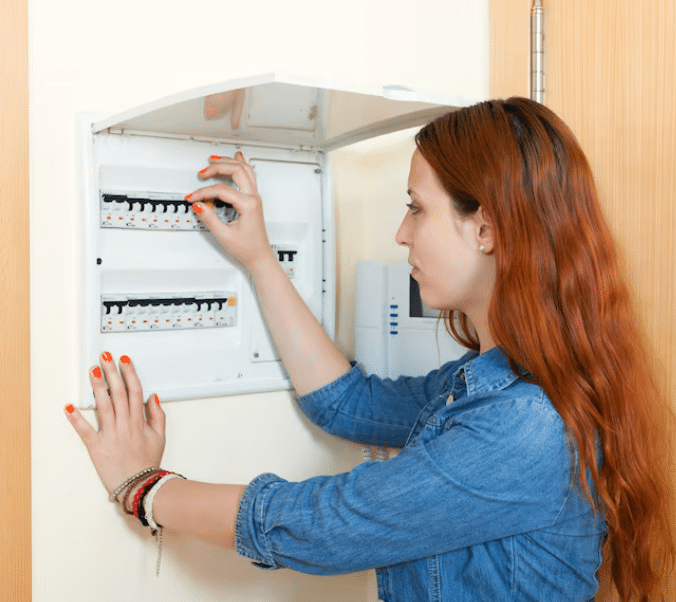
Saskatoon panel upgrade pricing varies with the scope of work, but these are realistic figures for 2025 based on typical local jobs. A straightforward like-for-like replacement of a 100-amp panel in good condition, with minimal service changes and accessible wiring, typically runs $1,600 to $2,200 including labour, materials, and permit. A full 100-amp to 200-amp service upgrade, which is the most common scope, including a new panel, updated meter base, grounding and bonding corrections, and utility coordination, typically falls in the $2,500 to $3,500 range. Jobs involving more complex conditions, moving the panel location, replacing a deteriorated service mast, correcting previous DIY wiring, or coordinating a longer SaskPower scheduling window, can reach $4,000 to $5,000 or more.
TSASK permit fees for a residential service upgrade typically run $150 to $300 and should be included in your written quote. If they are not itemised, ask. A fair quote will clearly list what is included (panel size and brand, number of spaces, grounding work, permit, utility coordination) and what is excluded (drywall patching if wall access is needed, trenching for a detached garage feed, or the EV charger hardware itself if you are supplying it). If a quote is dramatically below these ranges and the contractor does not mention permits or inspection, that is a warning sign, not a bargain.
Staging work is a legitimate option if the budget is tight. Pro Service Mechanical can prioritise the safety-critical items, replacing a corroded or overloaded panel, correcting missing bonding, upgrading the service size, and leave expansion circuits like a dedicated EV charger installation or additional basement circuits for a follow-up visit. The important thing is that what gets done now is done correctly, permitted, and inspected, so you are not building on a shaky foundation. For questions that come up between visits, our electrical repairs and maintenance team and our 24/7 emergency electrician in Saskatoon line are both available. You can also browse the full scope of our electrical services in Saskatoon to see what else can be bundled into a single mobilisation.
Pro Service Mechanical’s HVAC reputation in Saskatoon is built on transparent pricing and showing up when we say we will. That same standard applies to our electrical team. Reliable comfort in a Saskatchewan home means every system in the house, furnace, plumbing, and electrical panel, is working the way it should, year-round. To book an assessment or get a written quote, call us at (306) 230-2442.
Most Saskatoon homeowners pay between $2,500 and $3,500 for a full 100-amp to 200-amp service upgrade, including the new panel, grounding and bonding work, TSASK permit, and SaskPower coordination. Simpler like-for-like panel replacements can come in at $1,600 to $2,200, while complex jobs with mast replacement, panel relocation, or significant code corrections can reach $4,000 to $5,000 or more. Permit fees of roughly $150 to $300 should be included in your written quote. Always ask for an itemised quote so you know exactly what is and is not covered.
No. For a panel or service upgrade, your licensed electrician pulls the TSASK electrical permit, coordinates the SaskPower or Saskatoon Light and Power disconnect and reconnect, and books the TSASK inspection. You should not be navigating utility paperwork on your own. At the end of the job, ask your electrician for the TSASK permit number and confirmation of the passed final inspection, keep those documents with your home file for insurance purposes.
For a straightforward panel replacement in the same location with no major service changes, power is typically off for four to eight hours on the day of the upgrade. If the meter base, service mast, or service conductors also need to be replaced, plan for a full business day. Fridges and freezers handle that duration fine if you keep the doors closed. Your electrician should give you a confirmed date and a time window in advance so you can charge devices and plan accordingly.
Service size is determined by a load calculation under the Canadian Electrical Code, which adds up your actual and planned electrical loads, appliances, heating, cooling, EV charger, hot tub, suite, and so on. Most older Saskatoon homes on 60-amp service need at minimum a 100-amp upgrade; families adding an EV charger, central AC, or a secondary suite typically need 200 amps. Four-hundred-amp service is reserved for very large homes with multiple heavy loads or dual-unit properties. Ask your electrician to walk you through the load calculation in plain language before agreeing on a service size.
Sometimes, yes. If your existing panel still has physical breaker spaces and the load calculation shows capacity for a 40- to 60-amp EV circuit, an electrician can add the charger circuit without a full service upgrade. When the calculation shows the existing service is already near its limit, a panel upgrade to 200 amps is usually the right step before adding the charger, running an EV on an overloaded service risks tripping the main breaker or overheating conductors. A combined panel upgrade plus EV circuit installation typically runs $3,500 to $6,000, versus $800 to $2,000 for a charger circuit alone from an adequate panel.
It can. Saskatchewan home insurers increasingly ask about service size and panel type when setting or renewing a policy, and some will refuse coverage or add exclusions for homes with 60-amp services, fuse panels, or certain obsolete breaker brands with known overheating histories. Unpermitted electrical work is an even bigger risk, a claim related to an electrical fire in a home with non-permitted panel work may not be covered. Upgrading to a modern, TSASK-inspected 200-amp panel removes most insurer concerns and gives you documentation to show your provider.
Major panel manufacturers typically offer a manufacturer’s warranty on the enclosure and breakers, often ten years or more on parts, exact terms vary by brand. Pro Service Mechanical provides a workmanship warranty on the installation itself; ask us for the specific terms when we quote your job. Make sure your invoice includes the panel model, TSASK permit number, and a written note about warranty coverage so you have a complete record. If a breaker or connection fails within the warranty period, a reputable electrician will handle it without debate.
An on-site quote visit can usually be arranged within a few business days. Once you approve the written quote, scheduling the actual upgrade and coordinating the SaskPower or SL&P disconnect and reconnect typically takes one to three weeks in normal conditions. Urgent situations, a burned panel, a warm main breaker, or a burning smell, can be prioritised faster; call Pro Service Mechanical at (306) 230-2442 and describe the symptoms so we can triage appropriately. The upgrade itself is usually completed in a single day on site.