Choosing the right water heater for your Saskatoon home can affect your energy bills, installation costs, and everyday comfort. Two common options are gas water heaters and electric water heaters, each offering different benefits depending on your household’s hot water needs, budget, and available utilities.
If you’re comparing the two, understanding how they work, their advantages, and their long-term costs can help you make the right decision.
How Gas Water Heaters Work
Gas water heaters use natural gas or propane to heat water through a burner, typically located beneath a storage tank. Heat transfers into the water, which is stored until needed for showers, laundry, dishwashing, and other household activities.
Gas water heaters are common in Saskatoon, where many homes already have natural gas connections. They’re particularly useful for households with higher hot water demands because conventional gas models often heat water faster than comparable electric resistance models.
Advantages of Gas Water Heaters
-
Faster recovery times: Gas burners can reheat stored water relatively quickly after heavy use.
-
Potentially lower operating costs: Natural gas may cost less than electricity for heating water, depending on local utility rates and equipment efficiency.
-
Reliable performance: Properly sized gas systems can accommodate households with significant hot water requirements.
-
Power outage operation: Some conventional gas models can operate without electricity, although power-vented and electronically controlled models generally cannot.
Disadvantages of Gas Water Heaters
-
Installation typically requires a suitable gas connection and venting system.
-
Equipment and installation costs may be higher than comparable electric models.
-
Combustion components and venting require professional inspection and maintenance.
-
Gas-fired equipment produces combustion gases and must be installed correctly for safe operation.
Gas Water Heater Maintenance
Routine maintenance helps maintain efficiency and safe operation.
This may include inspecting the gas burner, checking venting components, flushing sediment from the tank, and examining the anode rod and temperature-pressure relief valve.
Gas connections, combustion systems, and safety components should always be inspected or repaired by qualified professionals.
How Electric Water Heaters Work
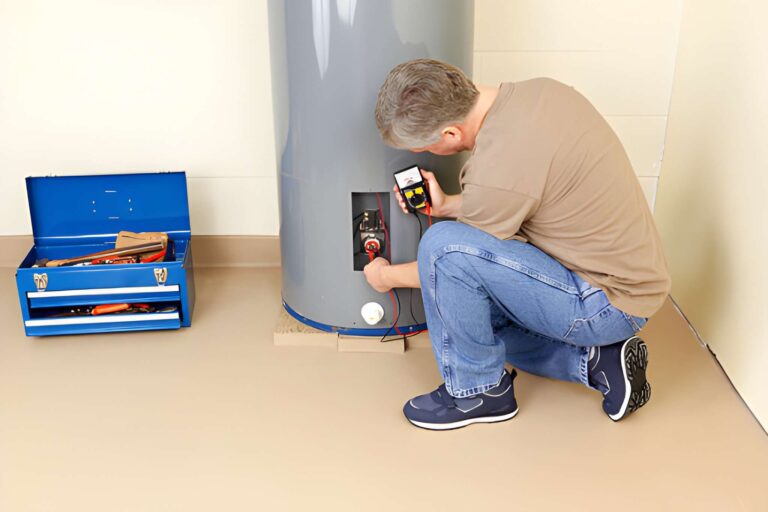
Electric water heaters use electrical resistance heating elements located inside a storage tank to heat water. Thermostats regulate the temperature, activating the elements when additional heating is needed.
Because electric water heaters don’t burn fuel, they don’t require gas connections or combustion venting. This can make them a practical option for homes without natural gas service or properties where a conventional electric installation is preferred.
Advantages of Electric Water Heaters
-
Lower upfront costs: Conventional electric tank models are often less expensive to purchase and install.
-
Simpler installation: No gas piping or combustion venting is required, although sufficient electrical capacity is necessary.
-
No on-site combustion: Electric resistance water heaters don’t produce combustion gases or carbon monoxide during operation.
-
Efficient heat transfer: Electric resistance elements convert nearly all electricity consumed into heat within the tank.
-
Flexible placement: Electric models may offer more installation flexibility because they don’t need combustion venting.
Disadvantages of Electric Water Heaters
-
Conventional electric tanks often have slower recovery times than comparable gas models.
-
Electricity costs may result in higher operating expenses.
-
Electric models generally cannot heat water during power outages.
-
Certain installations may require electrical upgrades.
Electric Water Heater Maintenance
Electric water heaters still require regular maintenance to remain reliable.
Common tasks include checking heating elements and thermostats, inspecting the anode rod, evaluating safety components, and flushing sediment when appropriate.
These inspections can help identify developing problems before they affect hot water availability or equipment lifespan.
Gas vs. Electric Water Heaters: Side-by-Side Comparison
| Feature | Gas Water Heater | Electric Water Heater |
|---|---|---|
| Energy Source | Natural gas or propane | Electricity |
| Upfront Cost | Generally higher | Generally lower |
| Operating Cost | Often lower where gas is affordable | Depends on electricity rates |
| Heating Recovery | Generally faster | Generally slower |
| Venting Required | Yes | No combustion venting |
| Power Outage Operation | Some models | Generally unavailable |
| Maintenance | Burner, venting, tank, safety components | Elements, thermostats, tank, safety components |
| Typical Tank Lifespan | Approximately 8–12 years | Approximately 10–15 years |
Actual performance and lifespan depend on equipment quality, usage, water conditions, and maintenance.
Gas vs. Electric Water Heater Installation Costs in Saskatoon
Installation costs vary depending on equipment size, efficiency, existing connections, and any modifications required.
The following estimates come from the existing article and should be treated as general planning figures rather than confirmed current Pro Service Mechanical prices.
| Water Heater Type | Estimated Installed Cost |
|---|---|
| Gas Storage Tank Water Heater | $1,500–$3,000 |
| Electric Storage Tank Water Heater | $1,000–$2,500 |
Gas installations may cost more because of venting requirements, gas connections, and additional installation components.
Electric water heaters may be more affordable to install when suitable electrical infrastructure is already available.
However, converting from one energy source to another can increase installation costs considerably.
For more details, visit our Water Heater Installation & Replacement in Saskatoon page.
Which Water Heater Is More Energy Efficient?
Both gas and electric water heaters are available in energy-efficient configurations, but efficiency should be evaluated alongside local energy prices.
Conventional electric resistance water heaters transfer nearly all their electrical energy into heat. However, electricity may cost more per unit of delivered heat than natural gas.
Gas water heaters lose some energy through combustion and exhaust venting, although high-efficiency gas models can reduce these losses.
Modern units may also include improved insulation, temperature controls, and other features designed to reduce energy consumption.
The most cost-effective option isn’t always the one with the highest efficiency rating. Your total costs depend on the equipment, energy source, household usage, and local utility rates.
Which Water Heater Should You Choose for Your Saskatoon Home?
The best choice depends on your existing infrastructure, budget, and household requirements.
Choose a gas water heater if:
-
Your home already has a suitable natural gas connection.
-
You regularly use large amounts of hot water.
-
Faster tank recovery is important.
-
Natural gas offers favourable operating costs.
Choose an electric water heater if:
-
Your home doesn’t have natural gas service.
-
You want a potentially lower upfront installation cost.
-
You prefer equipment without combustion venting.
-
Your electrical system can support the required load.
You should also consider tank capacity, household size, peak hot water usage, and long-term maintenance costs.
If you’re considering other options, tankless water heaters can provide on-demand heating and reduced standby energy losses, although installation requirements and costs differ from conventional storage tanks.
Get Professional Water Heater Installation in Saskatoon
Whether you choose a gas or electric water heater, professional equipment selection and installation are important for reliable performance.
Pro Service Mechanical helps homeowners throughout Saskatoon compare water heating options based on their existing equipment, household needs, and budget.
Our team provides installation, replacement, repair, and maintenance services to keep your home supplied with dependable hot water.
Call (306) 230-2442 or contact Pro Service Mechanical to discuss your water heater options.