

For Saskatoon commercial property managers and business owners, network cabling is not an IT detail, it is infrastructure. A poorly built cable plant means tenant complaints, POS terminals dropping during a dinner rush, IP cameras losing their feeds, and VoIP calls cutting out during a clinic appointment. When a new tenant signs a lease or an existing one expands, the quality of what is behind your ceiling tiles either accelerates that move-in or turns it into a change-order conversation nobody wanted. Pro Service Mechanical brings the same commitment to reliable comfort and operational continuity that drives our commercial electrical services to every structured cabling project we take on in Saskatoon.
Our licensed electrical team handles commercial network and computer cabling from initial design through certified testing and as-built documentation, work scheduled around your tenants, not the other way around. Whether you manage a strip mall on the south end, a multi-storey office building downtown, or a dental clinic in a newer east-side development, the fundamentals are the same: clean pathways, standards-based terminations, full labelling, and paper you can hand to an insurance auditor or incoming IT vendor without hesitation. Call us at (306) 230-2442 to discuss your project.
Cat5e, Cat6, and Cat6A: Choosing the Right Cable for a Saskatoon Commercial Space
The cable category you install today determines what your tenants can do with the network for the next ten to fifteen years. For most Saskatoon offices, retail bays, and medical clinics, Cat6 is the practical standard: it supports 1 Gbps to the desktop, handles Power over Ethernet (PoE) for Wi-Fi 6 access points, IP cameras, and VoIP phones, and costs only modestly more than Cat5e. Cat6A, the augmented version, is worth specifying when you are running access points that will carry heavy wireless loads, or when you want to leave the door open for 10 Gbps to the workstation without a re-pull. Cat5e, while still functional for basic office traffic, is no longer the right choice for a new fit-up; the cost difference is small and the capability gap compounds over a lease cycle.
Fibre belongs in the backbone, not at the desk. When telecom rooms are more than 90 metres apart, or you are linking separate floors or buildings on a commercial campus, multimode or single-mode fibre is the correct call: longer distances, electrical isolation between rooms, and future bandwidth headroom that copper cannot match. In Saskatoon buildings, many of which mix original construction with later additions, backbone fibre often solves routing problems that would otherwise require expensive conduit runs. Pro Service Mechanical designs copper-to-the-desk and fibre-backbone systems as a coordinated plant, not two separate afterthoughts.
Typical per-drop pricing for Cat6 in Saskatoon commercial spaces runs roughly $175 to $250 for standard T-bar ceiling environments, rising to $250 to $350 or more where wall fishing, concrete cores, or tight after-hours scheduling is involved. Fibre backbone runs between telecom rooms typically land in the $1,500 to $5,000 range depending on distance, access, and termination complexity. These ranges assume proper testing and documentation, not a tone-test and a handshake.
What a Clean Cable Plant Actually Pays Back at Tenant Turnover
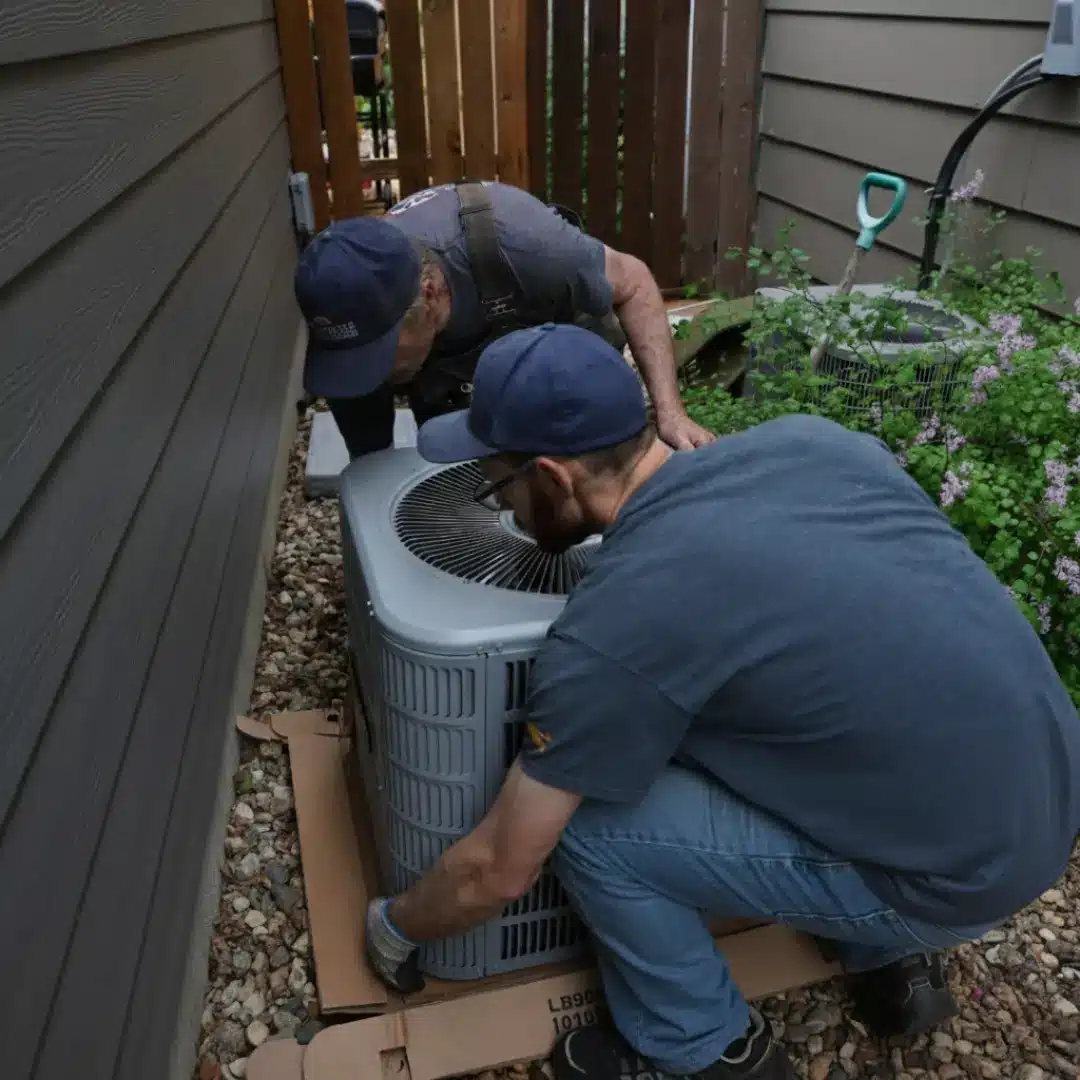
The moment a new tenant’s IT vendor walks into your telecom room is a moment of truth. If they find labelled patch panels, neat cable bundles on J-hooks, certified test reports in a binder, and a port schedule that matches the floor plan, the fit-up starts on day one. If they find unlabelled cables draped over ceiling tiles, a tangle of obsolete patch cords, and no documentation, they bill the tenant for discovery time, and the tenant bills you. That dynamic is one of the most preventable sources of lease friction a commercial property manager in Saskatoon faces.
A clean cable plant also reduces your exposure during insurance inspections and building audits. The Canadian Electrical Code requires that communications cabling not compromise fire separations, and that penetrations between fire compartments be properly fire-stopped. Abandoned cable accumulation above plenum ceilings can be flagged as a fire load. Inspectors working through a tenant improvement or occupancy change will look at your ceiling cavities and telecom rooms, and a documented, tidy installation is a much easier conversation than explaining why there are six generations of unlabelled cabling between the joists.
“We had a new dental tenant moving into a unit that had been used by three different office tenants before them,” said Rob M., a commercial property manager in Sutherland. “Pro Service Mechanical pulled everything out, ran new Cat6 to every operatory and the front desk, set up a proper rack with a labelled patch panel, and handed us test reports for every drop. The tenant’s IT company was in and out in a day. That never happens.” That kind of handoff is what reliable comfort in a commercial building actually looks like, not just for the tenant moving in, but for every tenant after them.
Pro Service Mechanical’s commercial electrical construction experience means we understand how cabling fits into a broader tenant improvement schedule. We coordinate with general contractors, IT vendors, and property operations so the cable rough-in does not become the item that holds up ceiling closure or delays an occupancy permit.
Telecom Rooms, Patch Panels, and the Labelling the Next Vendor Will Thank You For
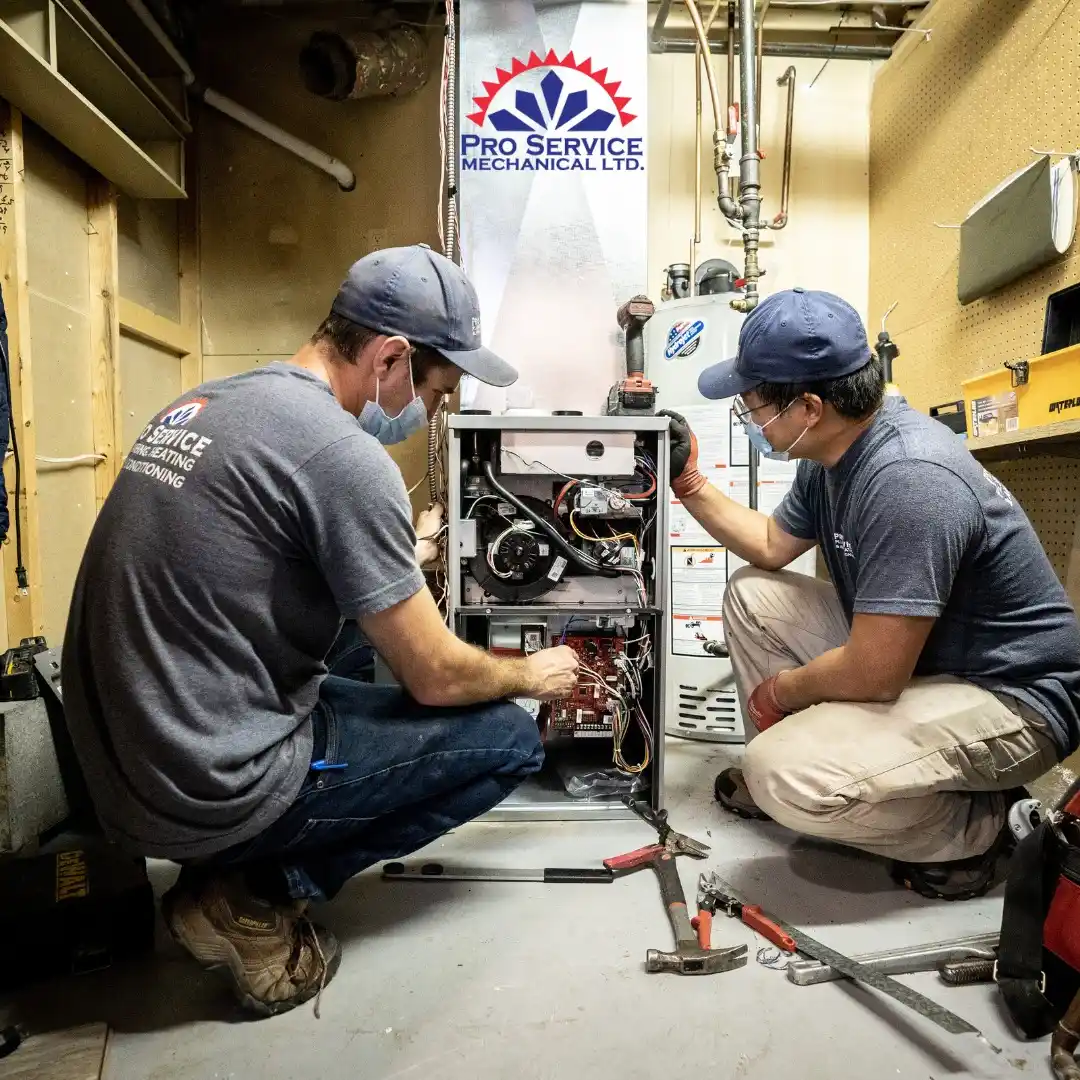
The telecom room is the heart of your building’s network infrastructure, and it is almost always underdone in older Saskatoon commercial properties. A proper main distribution frame (MDF) or intermediate distribution frame (IDF) is not a shelf with a router on it, it is a rack with organised patch panels, horizontal cable management, vertical wire management, adequate ventilation, and a grounding/bonding system that satisfies both good practice and the electrical panel requirements feeding the room’s UPS and active gear. In multi-tenant buildings, each tenant’s cabling should be clearly demarcated, separate patch panel sections at minimum, separate racks where practical.
Labelling is not optional; it is the difference between a 15-minute troubleshooting call and a three-hour tracing exercise. Every jack should carry a printed, durable label, not hand-scrawled tape, that corresponds to a port on the patch panel and a location on the as-built floor plan. Pro Service Mechanical delivers a port schedule, as-built drawings, and certified test reports for every project. That documentation package is what you hand to your insurance broker, your incoming tenant’s IT vendor, and your own operations team when something needs attention at 7 a.m. on a Tuesday.
If your current telecom room has cabling that was installed during multiple tenant generations and never rationalised, a cleanup and remediation project is typically far less expensive than a full re-pull. A half-day to full-day remediation for a small commercial site, re-patching, labelling, removing abandoned cabling where accessible, commonly runs $600 to $1,500. For multi-floor or multi-room situations, budget $2,000 to $5,000. These are investments that pay back at the next lease renewal or insurance renewal, not IT expenses.
Scheduling, Certification, and the Warranty Conversation Worth Having Before You Sign
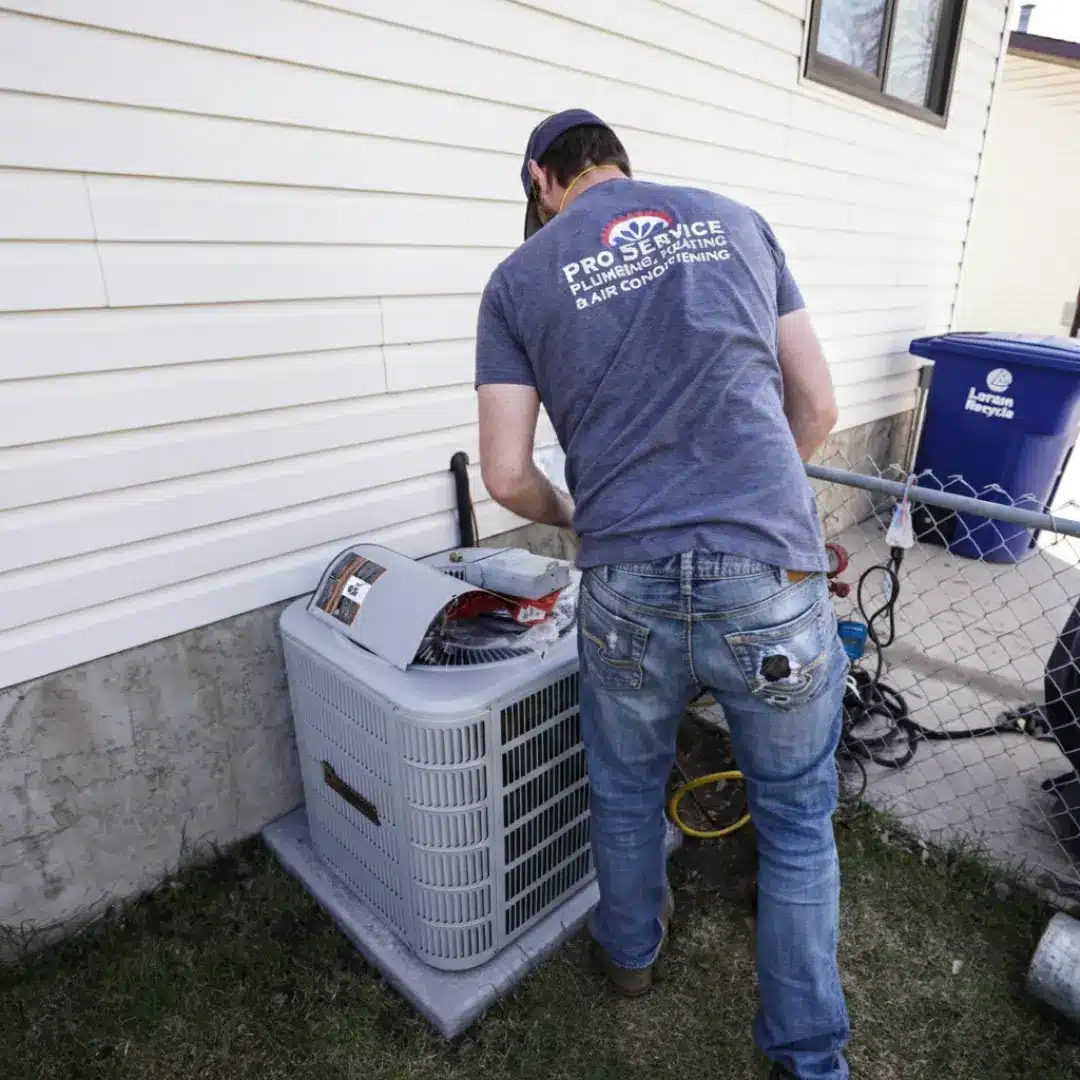
Minimising tenant disruption is the scheduling constraint that drives every commercial cabling project in Saskatoon. Pro Service Mechanical offers after-hours and weekend work, the same availability that defines our broader electrical services in Saskatoon, so that rough-in, pull, and termination work happens when your tenants are not in the building. Staged scheduling by zone is common: noisier pathway work goes after hours, while faceplate installation and rack dressing can often be done during business hours with minimal impact. For medical, restaurant, and retail environments where even a brief outage is a problem, we build the work plan around the tenant’s calendar, not ours.
Certification matters because a contractor who “tone-tests” a cable and calls it done has not actually verified that the run meets Cat6 performance specifications. Every structured cabling project Pro Service Mechanical completes is tested with a calibrated cable certifier, length, attenuation, near-end crosstalk, and insertion loss, and you receive printed or PDF reports for every drop. Those reports are the evidence that your cable plant performs to the category you paid for, and they are what backs a meaningful warranty claim if a run fails prematurely.
Ask specifically about warranty before you sign any cabling contract. You want two things: a contractor workmanship warranty covering installation defects, and a manufacturer-backed system warranty covering components when installation is done to spec and documented with test results. A system warranty survives tenant turnover and gives the next IT vendor something to rely on. Pro Service Mechanical’s cabling work integrates with our ongoing service relationships, the same team that handles your commercial lighting upgrades or industrial electrician services is available for adds, moves, and changes under a documented service arrangement. Call (306) 230-2442 to discuss what a service agreement would look like for your property. For projects that also involve dedicated power for IT rooms, new receptacles, or panel work, we handle the full scope under one Request for Service, including any TSASK permit and inspection requirements for the electrical portion.
Frequently Asked Questions
Which cable category should I specify for a new tenant fit-up in Saskatoon?
Cat6 is the right baseline for most Saskatoon commercial fit-ups, offices, clinics, retail, and light industrial. It supports 1 Gbps to the desk, handles PoE for cameras, access points, and phones, and is only modestly more expensive than Cat5e. If the tenant is running Wi-Fi 6 access points with heavy loads or wants the option of 10 Gbps workstation speeds in the future, Cat6A is worth the premium. Cat5e is functional for low-demand applications but is no longer recommended for new construction given how small the cost difference is over a full re-pull.
When does fibre make more sense than copper for a commercial building?
Fibre is the right choice for backbone links between telecom rooms, for runs exceeding 90 metres, and wherever electrical isolation between sections of the building is important. It also future-proofs bandwidth beyond what copper can deliver. In Saskatoon commercial properties, particularly older buildings with additions or multi-tenant strip malls, fibre backbone runs often solve routing problems that would otherwise require expensive new conduit. Copper remains the correct choice for device-level drops to desks, phones, cameras, and access points.
Do we need a permit for commercial network cabling in Saskatoon?
Low-voltage data cabling typically does not require a TSASK electrical permit on its own, but any associated electrical work, dedicated circuits for IT rooms, new receptacles, UPS connections, or panel modifications, does require a permit and inspection under Saskatchewan’s electrical inspection framework. The Canadian Electrical Code also governs how communications cabling is installed: penetrations between fire compartments must be fire-stopped, and cabling must not share enclosures with incompatible systems. For combined cabling and electrical projects, Pro Service Mechanical handles the full scope including TSASK permits. Verify requirements before work starts, because correcting code issues after ceilings are closed is significantly more disruptive and expensive.
What should a telecom room actually include to keep network gear reliable?
At minimum, a commercial telecom room needs a proper rack or wall-mount bracket, organised patch panels, horizontal and vertical cable management, adequate ventilation, and a grounding path that meets Canadian Electrical Code requirements. In multi-tenant buildings, each tenant’s cabling should be clearly separated on its own panel section or rack. The room should be dry, accessible for service, and free of shared use with janitorial or HVAC equipment, a common problem in older Saskatoon strip malls. Network gear in hot or dusty shared closets is a leading cause of premature switch and router failure. Basic rack-and-room preparation typically runs $1,500 to $7,500 depending on power needs, pathway work, and finish conditions.
What labelling and documentation should I require when the job is done?
Every jack should have a printed, durable label at both ends, not hand-written tape, keyed to a port on the patch panel and a location on an as-built floor plan. You should also receive a port schedule and certified test reports for every drop, confirming the run meets the specified cable category. This documentation is what your incoming tenant’s IT vendor needs to start work on day one, and it is what you show an insurance inspector or building auditor when they ask about the installation. Missing documentation turns a $200 service call into a half-day tracing exercise billed to someone.
What warranty should I expect on a commercial cabling installation?
You should ask for two separate warranties: a contractor workmanship warranty covering installation defects, and a manufacturer-backed system warranty covering components when installation is done to the manufacturer’s specifications with documented test results. The system warranty typically requires certified installation, approved components, and test reports, which is another reason proper testing matters. Confirm whether the warranty survives tenant turnover, because a warranty that expires when the tenant changes is not worth much in a multi-tenant property. A well-documented installation from a reputable contractor generally costs slightly more upfront and significantly less over the life of the lease.
Can you work after hours or on weekends to avoid disrupting our tenants?
Yes. Pro Service Mechanical schedules commercial cabling work around tenant operations, including evenings and weekends. For restaurants, clinics, and retail environments, we typically do noisier pathway and rough-in work after hours and complete faceplate and rack work during lower-traffic periods. Staged scheduling by zone is common on larger projects so that only one area of the building is affected at a time. After-hours labour typically adds 15% to 35% to the labour portion of a project, and that premium is included in your quoted price, not added as a surprise at the end.
How should PoE switches be coordinated with the cabling plant?
PoE planning needs to happen alongside the cabling design, not after. The switch’s total PoE budget, port count, and heat output all affect how the telecom room is set up and whether UPS capacity is adequate. Cat6 is generally preferred over Cat5e for PoE applications because it handles the power delivery more efficiently and with less heat buildup in the cable bundle. Some high-demand access points benefit from two cable runs to the AP location. Pro Service Mechanical coordinates switch specifications with cabling design so the finished plant supports your PoE device inventory without overloading the switch or degrading cable performance.