Key Takeaways
- Repair is usually the better choice when the furnace is relatively young, the problem is isolated, and the system has been reliable. A minor component failure may restore several more years of service.
- Replacement becomes more practical when the furnace is around 15 years or older, repairs are frequent, heating is inconsistent, energy bills are rising, or major components are failing.
- Compare the repair estimate with replacement cost. A common guideline is to consider replacement when the repair exceeds roughly 50% of a new furnace’s cost, especially for an older system.
- Do not assume uneven heating means the furnace must be replaced. Dirty filters, blocked vents, ductwork problems, insulation, and air leaks can also cause temperature differences and should be evaluated first.
- Safety comes first in Saskatoon’s winter climate. Turn off the furnace and seek prompt professional help if you notice gas odors, soot, unusual combustion, carbon monoxide alarms, repeated shutdowns, or dangerous electrical problems.
When a furnace stops working properly in the middle of a Saskatoon winter, homeowners usually have one important question: should you repair the existing system or replace it?
The answer is not always straightforward. A relatively small repair may be all that is needed to restore an otherwise reliable furnace. On the other hand, an older system that frequently breaks down may be approaching the point where continued repairs are no longer financially sensible.
Saskatoon’s cold winters make furnace reliability particularly important. A heating system needs to provide consistent warmth, operate efficiently, and remain dependable when outdoor temperatures drop significantly.
Understanding the factors that influence the repair-versus-replacement decision can help you make a more informed choice rather than making a rushed decision during an emergency.
Not sure whether your furnace should be repaired or replaced? Have a qualified heating professional inspect the system and compare the likely repair cost with its age, condition, efficiency, and expected remaining service life.
Start With the Furnace’s Age
One of the first factors to consider is the age of your furnace.
Furnaces can operate for many years when properly installed and maintained, but every system eventually reaches a point where components begin to wear out more frequently.
If your furnace is relatively young and has experienced its first significant problem, repairing it may be the logical choice.
An older furnace requires a different evaluation. Even if one repair is affordable, additional components may be approaching the end of their useful life. Replacing one part today does not necessarily prevent another failure several months later.
Age alone should not determine your decision, but it provides important context when evaluating repair costs and future reliability.
Think About Heating Performance
Your furnace should heat your home consistently. If certain rooms remain cold while others become overly warm, there could be an airflow or ductwork issue. But inconsistent temperatures can sometimes also be associated with an aging or improperly operating furnace.
If the problem persists or your furnace stops providing reliable heat, emergency heating services in Saskatoon can help identify the issue and restore safe, consistent heating.
Longer heating cycles during very cold weather are not necessarily a sign of failure. Furnaces naturally work harder when outdoor temperatures are extremely low.
However, if the system runs continuously but cannot maintain a comfortable indoor temperature, professional inspection is appropriate.
Don’t Ignore Strange Furnace Noises
Furnaces make some normal operating sounds, including the sound of the blower starting and air moving through ductwork. New or unusual sounds deserve attention.
Rattling could indicate loose components. Grinding may suggest a motor or bearing problem. Squealing can sometimes be related to belts or moving components. Repeated banging or popping should also be investigated.
A strange noise does not automatically mean the furnace needs replacement. Many mechanical problems can be repaired. The important thing is to identify the cause before a minor issue develops into a more expensive failure.
Check for Uneven Heating
Uneven heating is a common reason homeowners begin considering furnace replacement. Before replacing the system, however, determine whether the furnace is actually responsible.
Blocked vents, dirty filters, poorly balanced ductwork, insulation problems, and air leaks can all contribute to temperature differences between rooms.
A professional HVAC inspection can help identify whether the issue originates with the furnace, ductwork, or building itself.
Replacing a furnace will not necessarily solve an airflow problem if the underlying issue is somewhere else.
When Furnace Repair Makes More Sense
Repair is often the better option when the furnace is relatively young, the problem is isolated, and the rest of the system is in good condition.
For example, replacing a failed ignition component, sensor, blower component, or another serviceable part may restore reliable operation without requiring an entirely new heating system.
Repair may also make sense when the cost is reasonable relative to the furnace’s remaining life.
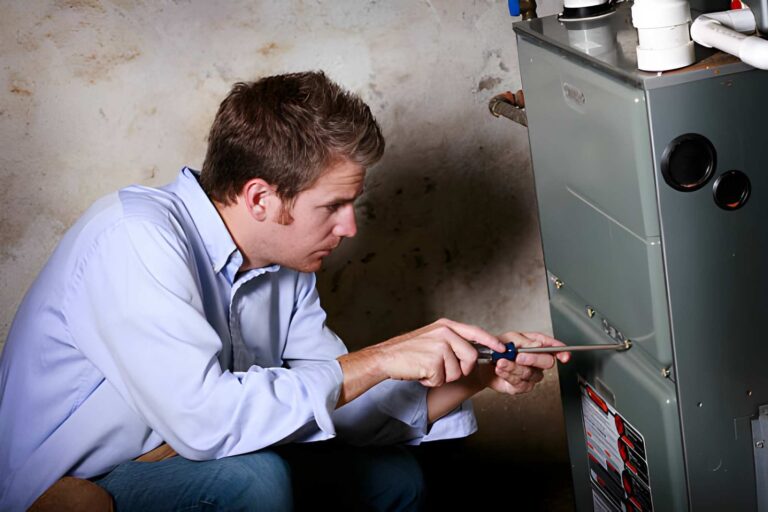
A professional Furnace Repair assessment should explain what caused the problem and whether other concerns could affect reliability.
When Furnace Replacement Makes More Sense
Replacement becomes more attractive when several factors point in the same direction.
An aging furnace with frequent breakdowns, rising repair costs, declining efficiency, and inconsistent heating may no longer be worth maintaining.
Replacement may also be worth considering when a major component fails on an older system.
Another reason to replace is when parts become difficult to source or the existing furnace uses outdated technology.
If the system has repeatedly caused inconvenience or unexpected expenses, a new furnace can provide greater predictability.
The decision should be based on the total picture rather than one individual problem.
Consider Your Long-Term Plans
Your plans for the home can also influence the decision.
If you expect to stay in your Saskatoon home for many years, investing in a new, efficient furnace may provide greater long-term value.
If you are planning to move soon, you may prefer to make a reasonable repair rather than undertake a major replacement, depending on the furnace’s condition and safety.
However, an unreliable heating system can become a concern when selling a home.
Potential buyers may request repairs or negotiate based on the condition of major mechanical systems.
Consider both your immediate needs and your longer-term plans before making the decision.
Don’t Forget Furnace Humidity
Heating systems affect indoor humidity, particularly during Saskatoon’s dry winter months.
Very dry indoor air can contribute to discomfort, static electricity, and dry skin.
A furnace humidifier can help add moisture to indoor air when humidity levels are consistently low.
If your existing furnace is being replaced, this can be an opportunity to evaluate the home’s overall heating and humidity needs.
However, humidification should be approached as part of a broader indoor comfort strategy rather than as a reason by itself to replace a furnace.
Safety Should Always Come First
Furnace problems are not always simply about comfort or energy efficiency.
A malfunctioning heating system can potentially create safety concerns, particularly when combustion equipment is involved.
If you notice unusual odors, soot, visible damage, unusual combustion behavior, or a carbon monoxide alarm, turn off the system if it is safe to do so and seek professional assistance.
Never attempt to bypass safety controls or perform unfamiliar gas or electrical work yourself.
Carbon monoxide detectors should also be installed and maintained according to applicable safety recommendations.
Safety concerns should always take priority over repair-versus-replacement calculations.
What Happens During Furnace Installation?
If replacement is the right choice, proper installation is just as important as choosing the equipment.
A new furnace needs to be appropriately sized for the home.
An oversized system may cycle too frequently, while an undersized furnace may struggle to maintain comfortable temperatures during extreme cold.
Professional furnace installation should account for the home’s heating requirements, ductwork, ventilation, electrical or gas connections, and manufacturer specifications.
The quality of installation can have a significant effect on system performance and reliability.
For that reason, homeowners should avoid choosing a furnace based solely on the equipment’s advertised efficiency rating or purchase price.
Get More Than One Opinion for Major Decisions
When a furnace replacement represents a significant investment, getting a second professional opinion can be useful.
Different contractors may recommend different solutions based on their assessment of the system.
Ask each professional to explain:
- What caused the current problem?
- How much will the repair cost?
- How long might the repair reasonably extend the furnace’s life?
- What condition are the major components in?
- What would replacement cost?
- What efficiency and warranty options are available?
Having this information makes it easier to compare repair and replacement based on facts rather than pressure.
When Emergency Furnace Repair Is Necessary
Some furnace problems require immediate professional attention.
If the system stops working during extremely cold weather, especially when indoor temperatures are dropping rapidly, prompt service may be necessary.
You should also seek emergency furnace repair if there are signs of a dangerous electrical issue, suspected gas problems, carbon monoxide concerns, or another situation that could threaten household safety.
Do not attempt to restore operation by repeatedly resetting the system or bypassing safety controls. A furnace that repeatedly shuts down may be protecting itself from a potentially serious problem.
Furnace problems involving gas, carbon monoxide, electrical issues, or repeated shutdowns can require prompt professional attention. Read our latest HVAC articles for more furnace repair tips, safety guidance, and maintenance advice.
Final Thoughts
Choosing between furnace repair and replacement in Saskatoon does not have to be a guessing game.
Start by looking at the furnace’s age, repair history, efficiency, heating performance, and overall condition. Then compare the cost of the proposed repair with the investment required for a new system.
A relatively minor problem on a well-maintained furnace can often be repaired economically. But an older system with frequent breakdowns and expensive repairs may be approaching the point where replacement makes more financial sense.
Frequently Asked Questions
Should I repair or replace my furnace in Saskatoon?
Repair is usually best when the furnace is under 10–12 years old, the issue is minor, and repair costs are well below half the price of a new system. Replacement makes more sense when the unit is 15+ years old, repairs are frequent or expensive, efficiency is low, or a major component fails. A common rule of thumb: if a single repair approaches 50% of the cost of a new furnace, replacement is often the smarter long-term value.
How old is too old for a furnace in a cold climate?
Most gas furnaces last 15–20 years with proper maintenance. In Saskatoon’s harsh winters, high-efficiency models often see 10–15 years of reliable service, while older, simpler units can reach 20+ years. If your furnace is 15 or older and needs a major repair, replacement is frequently more cost-effective due to declining efficiency and rising failure risk
What are typical furnace repair costs in Saskatoon?
Common repairs range roughly from $150 to $600 for items like thermostats, ignition systems, or blower motors, with service calls around $100–$180. Emergency or after-hours visits can add $200–$500+. Major component failures (e.g., heat exchanger) can exceed $1,000 and often push homeowners toward replacement on older units.
How much does a new furnace cost in Saskatoon?
Installed costs typically range from $4,000 to $8,000 for standard to high-efficiency gas furnaces, depending on capacity, AFUE rating, installation complexity, and ductwork needs. Higher-efficiency models (95%+ AFUE) cost more upfront but can reduce monthly fuel use and improve comfort.
When does replacement save money over time?
Replacement tends to pay off when your current furnace is 15+ years old, has 60–70% efficiency, and requires repeated repairs. New 92–98% AFUE models use less fuel, lower monthly bills, and reduce breakdown risk. Over 10–15 years, energy savings plus fewer repairs can offset the higher initial cost.
What signs indicate I should replace rather than repair?
Consider replacement if you have frequent breakdowns, rising energy bills, uneven heating, unusual noises or odors, or a major component failure on an older unit. If repair costs are adding up quickly or one repair approaches half the cost of a new system, replacement often provides better long-term value.
Can I replace a furnace in winter in Saskatoon?
Yes. Furnace replacements are safely completed year-round, including during cold months. Many homeowners replace in early fall to prepare for winter, but January–February can also be smart times with good availability. If your system fails mid-winter, replacement eliminates ongoing repair risk during peak heating season.
How do I know if uneven heating is the furnace or the ducts?
Uneven temperatures can stem from blocked vents, dirty filters, unbalanced ductwork, insulation gaps, or an aging furnace. A professional HVAC inspection can identify whether the issue is airflow/duct-related or due to furnace capacity and performance. Replacing the furnace alone may not fix airflow problems if ducts or building envelope issues are the root cause.
What efficiency should I look for in a new furnace?
In Canada, most new gas furnaces range from 92% to 98% AFUE. Higher-efficiency (95%+ AFUE) models typically offer better long-term savings in cold climates like Saskatoon, especially if you plan to stay in the home for many years. Choose capacity (BTUs) and staging (single, two-stage, modulating) based on your home’s heating load and comfort goals.
Should I get a second opinion before replacing?
Yes. For major investments, ask two contractors to explain the cause of the problem, repair cost and expected life extension, condition of major components, replacement cost, and efficiency/warranty options. Comparing detailed quotes helps you decide based on facts rather than pressure.
When is furnace repair an emergency?
Seek urgent service if the furnace stops during extreme cold, or if you notice gas odors, soot, suspected carbon monoxide, electrical issues, or repeated shutdowns. Turn off the system if safe and call a professional. Do not bypass safety controls or repeatedly reset the furnace.